Parenting Without the Cane: Why African Parents Fear Gentle Parenting
Many African parents still equate discipline with fear, believing gentle parenting breeds disrespect. This article explores how empathy-based parenting challenges Africa’s long-held “spare the rod” ideology and why the next generation is choosing connection over canes.
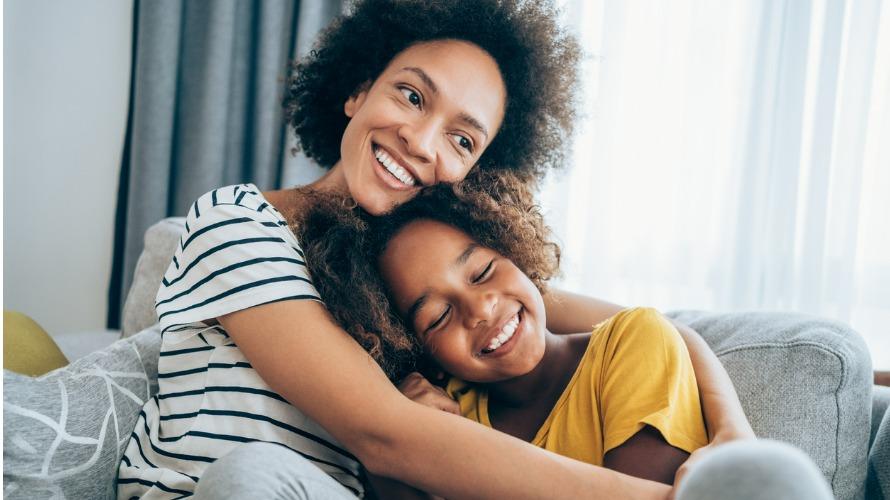
The first law of attraction in the African household’s misbehaviour theory is the magnetic pull between your skin and your father's leather belt. Or the hard feel of the ọmọ orogun on your kitchen shelf. Or even the loud echo of your mother's voice, saying, “Do you want me to slap sense into your head?”
In many African homes, discipline is a tradition that must be kept alive, and passed on to the next generations. It is the badge of honour and the ultimate sign parents are “doing their job”.
When the popular adage said,“Spare the rod and spoil the child”, African parents took it literally. The rod is a present entity in their form of discipline and for generations, this philosophy has defined what “good parenting” means. To raise a well-behaved child, you had to raise your hand.
But times are changing. The conversation around parenting is shifting especially among African Millennials who have begun to question if fear truly equals respect.
The term, gentle parenting, has entered the chat, and to many African parents, it sounds like a Western joke. “You don’t beat your children? No wonder they’re rude,” they say. But the truth is, gentle parenting is not bad parenting, it is just different.
The Cultural Weight of Discipline
Discipline in African culture is deeply tied to identity. Parents see their children as reflections of their home, their morals, and even their worth. When a child “disgraces” the family by talking back, scoring low grades, or failing to greet elders properly, it is seen as a failure of parenting. To correct that, many opt for the most convenient option: the rod.
Respect in African homes is not built on that reciprocality it should be, but, rather, on fear. Respect is not meant to be earned or understood. Children are taught to obey first and question never.
The logic is simple: you can’t talk back if you are scared to speak. Parents, in turn, justify their methods with a familiar defense, “I was beaten too, and I turned out fine.”
But did we really turn out fine? Or did we just learn how to hide our feelings, avoid confrontation, and mistake fear for love?
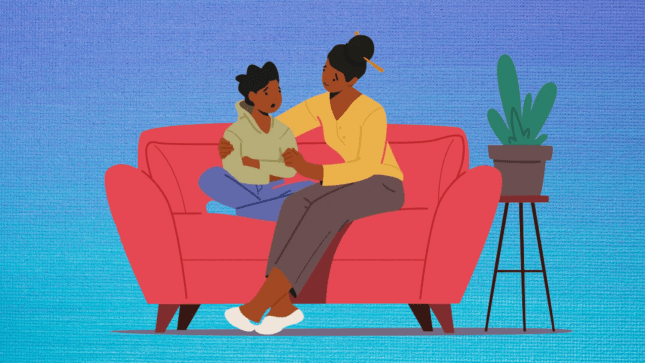
What Gentle Parenting Really Means
Contrary to many claims, gentle parenting does not equate to permissiveness or lack of control. It is not letting children run wild or talk carelessly.
It is about guiding them with empathy, communication, and consistency rather than fear. It means setting boundaries and not building walls.
A gentle parent does not shout at their child for crying or to stop them from crying, rather, they ask why the child is crying. They correct, not by humiliation, but by explanation. It is the type of parenting that prioritises emotional intelligence alongside discipline.
The irony is that many African parents already practice aspects of gentle parenting without realizing it — comforting a child after punishment, offering food as apology, or explaining things calmly on “good days.” What they fear is not the concept — it is losing control.
Why African Parents Resist It
There is an ingrained belief that without strictness, children will become wayward. A gentle parent is often branded “weak,” “too soft,” or “spoiling the child.” This fear is partly cultural, partly generational.

Most African parents grew up in survival mode. Their own parents did not have time for emotional talk. Their life was about food, shelter, and respect.
They raised their kids the only way they knew how. So when younger generations introduce terms like “gentle parenting,” it sounds like rebellion or foreign influence.
Religion also plays a role. The popular biblical verse “spare the rod and spoil the child” was interpreted literally for years, making it hard to detach discipline from corporal punishment.
Then there is the societal pressure: the communal eyes that judge a parent whose child is “too free.” Because in Africa, your child’s behaviour is everyone’s business.

The Cost of Harsh Parenting
Physical discipline may produce instant obedience, but it often comes with invisible wounds. Many adults today struggle with expressing emotions because they grew up fearing authority. Some equate love with pain, or mistake silence for peace.
Over time, this approach breeds emotional distance. Children stop confiding, parents do not bother to listen, and the homes gradually becomes the quiet battlegrounds where fear replaces love and understanding slowly fades.
When children are constantly yelled at or beaten, they learn to hide rather than speak. They comply to avoid punishment, not because they understand right from wrong. Respect becomes transactional.
The emotional distance between parents and children widens, and when those children grow up, they repeat the same cycle because it is all they know.
The Case for Gentle Parenting in African Contexts
Gentle parenting does not erase discipline. It redefines it, in a gentle way.
It says you can be firm and still be kind. That correction does not always require cruelty or corporal punishment. That love can be both tough and tender.
In an African context, it means teaching children respect through communication, not intimidation. It means listening to their fears instead of dismissing them as “talking too much.” It means realizing that fear does not build character but understanding, always, does.
The rise of millennial and Gen Z parents across Africa is quietly reshaping the narrative. They are choosing conversations over canes, walking on their egos girded with empathy.
They are starting to realise that a child who feels heard is easier to guide than a child who feels scared.
And maybe that is what Africa needs. Emotionally healthy children who can challenge wrongs without fearing authority, who can love loudly without waiting for permission.
Unlearning Pain, Relearning Love
Gentle parenting is not a Western invention. It is a human evolution that sprouted from the necessity to attend to emotional needs.
It is the courage to unlearn what hurt us and raise our children differently. It is the courage to internalise the trauma and turn it into strength, pushing for more progressive discipline methods.
Parenting without the cane doesn’t mean raising spoilt children, it means raising children who understand that love can correct without bruising.
Because, really, love doesn’t always have to shout. Sometimes, it just needs to listen.