Opinion: What to Expect from Social Media In the Next 5 Years
Would Social Media stay the same forever and forever? Find out how current trends might change social media as we know it.
In five years, your closest friend online might not be human.
It may sound dramatic—until you realize it’s already happening. AI-generated influencersare racking up millions of followers, landing brand deals, and interacting with fans who either don’t care or don’t realize that the smiling faces on their screens are lines of code. The boundary between personality and program is vanishing. And that’s only the beginning.
The social media of 2030 will not look like today’s platforms with just shinier filters and longer videos. It’s headed for a fundamental shift—a redesign in purpose, power, and presence. Driven by artificial intelligence, immersive technologies, and a collective backlash against glamorous content.
Act I: The Rise of the Real—Unfiltered, Untargeted, Unbothered
Strangely, as technology grows more elaborate, user preferences are moving in the opposite direction. A cultural pivot is already underway. Increasingly, people are tuning out hyper-polished, algorithm-choked feeds in favor of raw, relatable content.
This is the era of vibe culture. Users are craving realness, unpredictability, and community-driven conversation. Influencers who once curated every frame are now posting blurry, chaotic photo dumps and messy room tours. Brands that once outsourced polish are now investing in “ugly marketing”—a term of endearment for honest, low-production storytelling that feels more human than strategy.
This authenticity wave taps into Cultivation Theory (Gerbner), which suggests that repeated exposure to mediated representations shapes what we see as “normal.” After years of filtered perfection, normal is being redefined as flawed, spontaneous, and refreshingly uncurated.
At the same time, Social Capital Theory (Putnam, Bourdieu) is returning to center stage. Social networks aren’t just feeds—they’re ecosystems where users gain access to resources, visibility, and emotional support. Platforms like Discord, Reddit, and Mastodon are growing not because they’re trendy, but because they offer deeper forms of connection—more community, less content.
Act II: The AI Invasion Won’t Be Televised—It’ll Be Streamed
By 2025, artificial intelligence is no longer an enhancement. It’s the engine. AI already decides what we see, what we buy, and increasingly, who we believe. But between now and 2030, social media platforms are expected to fully embed AI not just in the backend—but front and center.
AI-powered virtual influencers and digital companions will cross the uncanny valley, offering interactions so responsive and emotionally attuned, they’ll blur into real human relationships. Synthetic intimacy—emotional connection with non-human agents—is no longer science fiction. It’s product strategy.
The implications are staggering. What happens to authenticity in a feed filled with flawless, tireless AI personas? What’s the role of a human creator when a bot can outperform them on engagement and consistency?
Hopefully, human content won’t disappear—however it will become harder to distinguish. Emotion and trust will be the new premium. If everything can be generated, feeling becomes the differentiator.
Act III: From Scroll to Portal—Immersive Content Takes Over
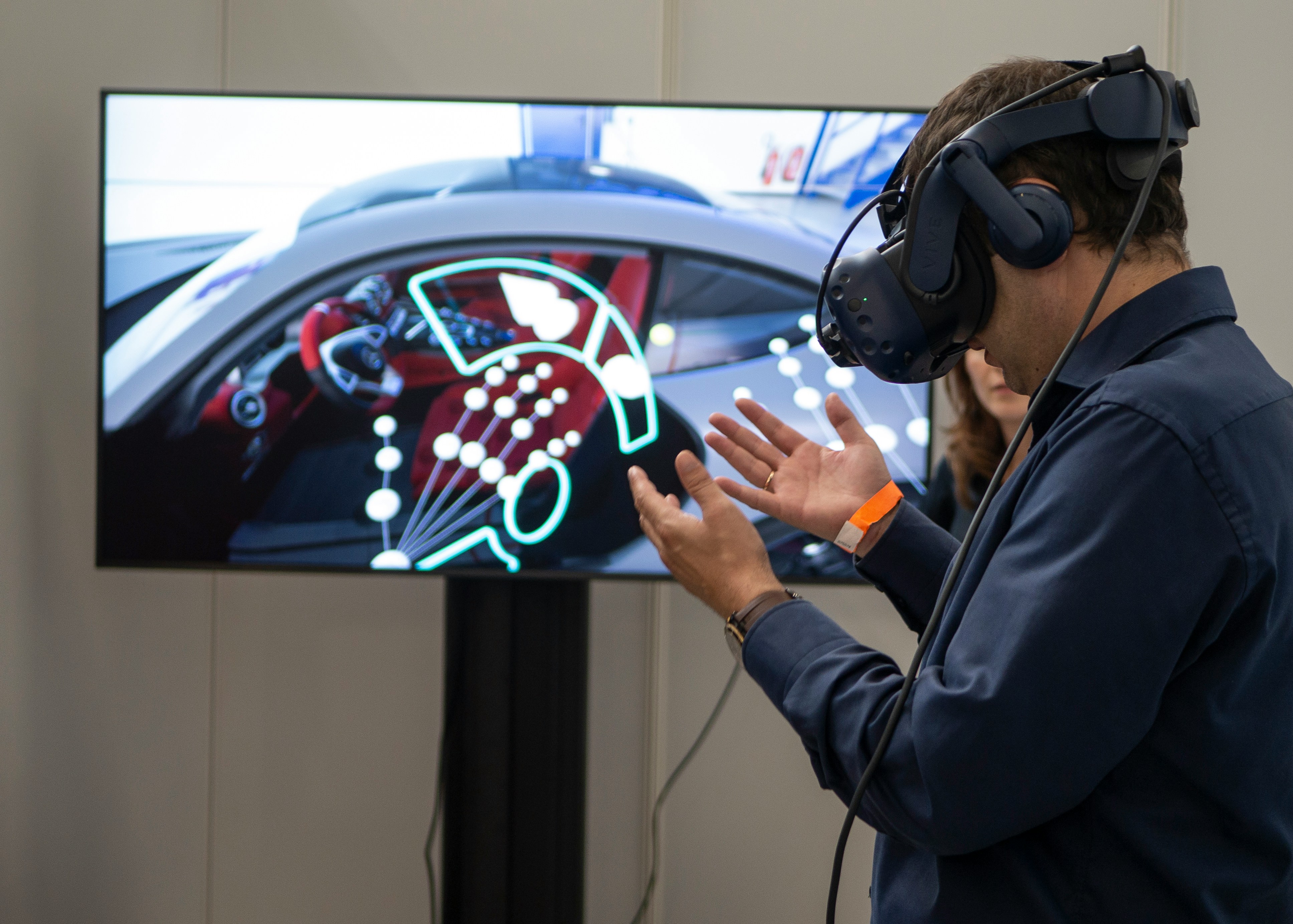
Even as our content becomes synthetic, our experiences are becoming immersive. The next era of social media won’t be just watched—it will be entered.
AR (augmented reality) and VR (virtual reality) will move from experimental features to everyday experiences. TikTok and Instagram Reels may still dominate the short-form game, but they’ll increasingly compete with immersive formats where users can walk through digital showrooms, attend live concerts in virtual arenas, or hang out in photorealistic avatars in metaverse lounges.
Virtual reality (VR) concerts have emerged as a major trend, offering immersive, interactive experiences with top artists on platforms like Fortnite, Roblox, Wave, and more. Notable events include Travis Scott’s record-breaking "Astronomical"in Fortnite with 45.8 million viewers, Lil Nas X's Roblox concert with 33 million, and Justin Bieber’s Wave performance with real-time fan interaction.

Platforms like AMAZE VR and Soundscape VR offer high-fidelity, personalized shows with artists like Megan Thee Stallion and deadmau5. VR music festivals and concerts in Decentraland, The Sandbox, and Meta’s Horizon Worlds continue to expand the virtual concert landscape.
It’s not just about fun. It’s commerce. Shopping will become sensory. You’ll try on a jacket in AR, get live reviews from your friends in a VR group chat, and check out without ever leaving the app. Every tap becomes a transaction.
The underlying logic here reflects Network Effects Theory (Metcalfe’s Law):the more users engage, the more valuable the network becomes. The platforms that can make immersive interaction frictionless will win—not just attention, but loyalty.
Act IV: Decentralization, Privacy, and the End of the Feed as We Know It
It’s no coincidence that while centralized platforms like Instagram and TikTok dominate, users are fleeing to niche networks and decentralized spaces for meaning and control.
Decentralized social networks, powered by blockchain technology, promise a radical alternative: no opaque algorithms, no third-party data scraping, no centralized control. Instead, users own their data, curate their experience, and engage in peer-driven governance. Whether these platforms can scale or not remains to be seen—but their ethos is gaining traction.
Meanwhile, regulatory pressure is intensifying. From the EU’s Digital Services Actto potential U.S. data privacy laws, platforms will be forced to reckon with transparency. Users will demand control over what’s collected, how it’s used, and why certain content is shown to them.
The Final Scroll
Social media in 2030 won’t be a cleaner version of today. It’ll be stranger, smarter, and more synthetic. AI companions will talk to us. AR filters will dress us. Decentralized networks may host us. And yet, the oldest needs—belonging, identity, expression, relatability—will drive everything.
And in a world where anything can be generated, that feeling might become the rarest—and most valuable—resource of all.