OpenAI Introduces Frontier as Enterprise AI Adoption Remains Limited
OpenAI has launched Frontier, a new platform for enterprise AI agents, as COO Brad Lightcap notes slow adoption within complex business processes. The company is experiencing strong revenue growth and is partnering with major consultancies to push enterprise AI. OpenAI is also expanding its presence in India, while addressing concerns about AI's impact on the job market.
OpenAI recently introduced OpenAI Frontier, a new platform designed for enterprises to develop and manageAI agents.
Despite this launch, OpenAI COO, Brad Lightcap, expressed that large-scale AI adoption within enterprise business processes has yet to materialize.

Speaking at the India AI summit in New Delhi, Lightcap noted the disparity between the powerful AI systems accessible to individuals and the complex, multi-team structures of enterprises.
He emphasized that businesses operate with intricate goals, contexts, and diverse systems, making the integration of AI more challenging than simply individual use cases.
Amidst discussions predicting the demise of Software-as-a-Service (SaaS) due to AI agents, Lightcap highlighted that such claims have not come to fruition. In fact, OpenAI itself remains a significant user of traditional enterprise software like Slack, underscoring that even leading AI firms rely on existing tools.
Financially, OpenAI is experiencing robust growth, with CFO, Sarah Friar reporting over $20 billion in annualized revenue by the end of 2025.
Lightcap confirmed strong demand, stating that the company frequently finds itself managing excessive demand while still in a growth phase, striving to meet global needs.

Quantifying success in the enterprise space is a key focus for OpenAI, particularly with Frontier. Lightcap explained that the company aims to measure Frontier’s impact based on "business outcomes, not on seat licenses," though pricing details for the platform have not yet been disclosed.
He views Frontier as an iterative experimental tool to integrate AI into the "messy and complex areas of businesses." This approach is expected to yield significant learnings about both business operations and AI systems.
In a strategic move to bolster its enterprise push, OpenAI recently forged partnerships with prominent consultancies including Boston Consulting Group (BCG), McKinsey, Accenture, and Capgemini to facilitate the deployment of its technology.
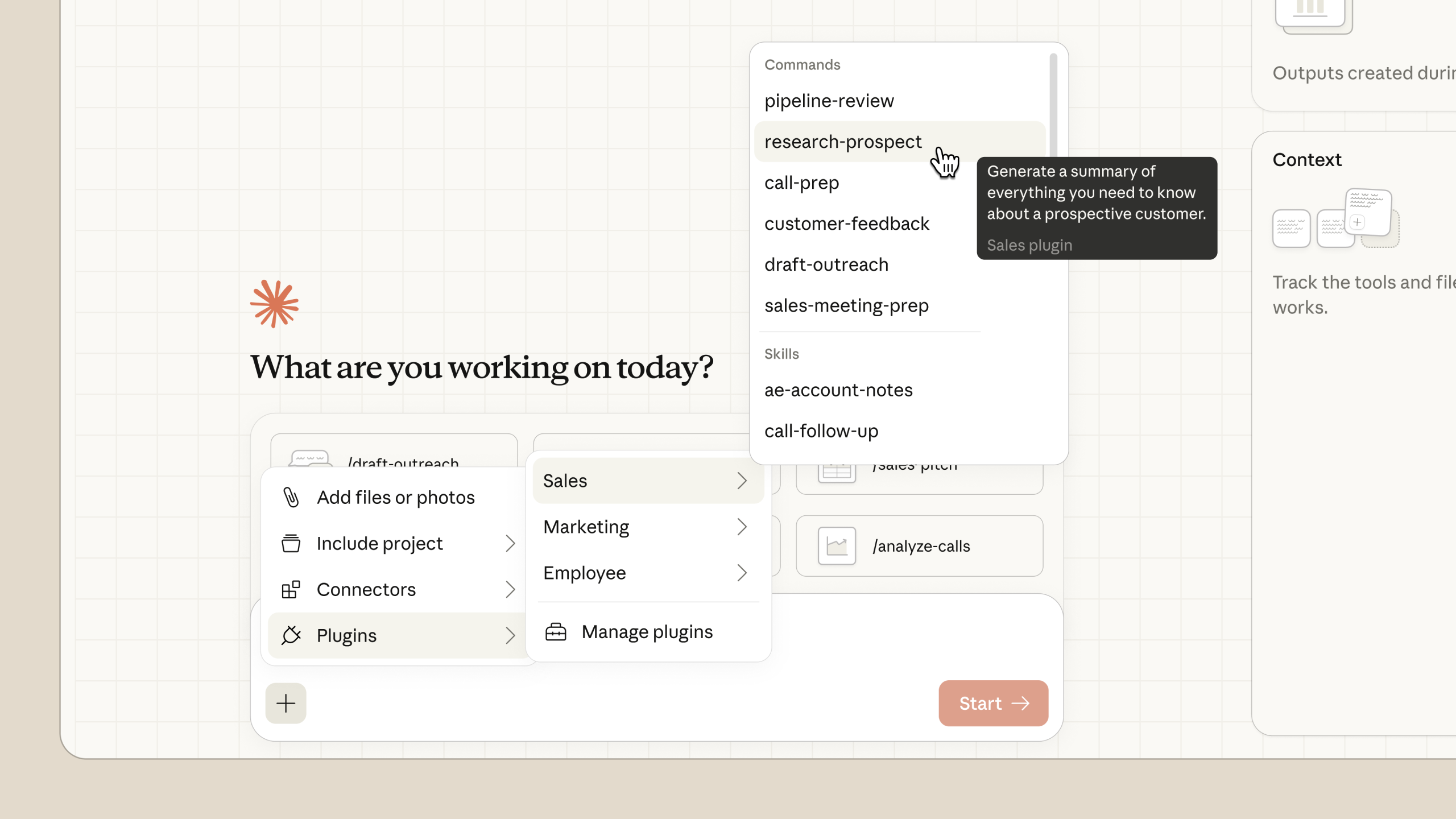
This mirrors similar actions by competitors, such as Anthropic, which launchedenterprise pluginsfor finance, engineering, and design to enable agent building based on its Claude model.
Furthermore, while the integration path for the recently acquired open-source tool OpenClaw is still unclear, Lightcap sees it as offering a "glimpse into the future" where agents could perform a wide array of computer-based tasks.
OpenAI has also made significant announcements regarding its presence in the Indian market, which stands as ChatGPT's second-largest user base outside the U.S., boasting over 100 million weekly users.
Lightcap underlined the critical role of voice as a modality in India, enabling broader access to technology, particularly for previously disenfranchised groups, given that voice models now function effectively in low-latency and low-bandwidth environments.
Despite India being fourth in Asia for enterprise seats, a relatively low figure for a populous nation, OpenAI sees substantial scope for expansion and has already secured an enterprise contract for its tools and compute deployment.
To further its reach, OpenAI plans to open two new sales and go-to-market offices in Mumbai and Bengaluru, with the potential for technical talent inclusion in the future.
Addressing the pressing concern of AI's impact on jobs, especially in India's prominent IT services and Business Process Outsourcing (BPO) industries, Lightcap maintained a "grounded" perspective.
He acknowledged that while Indian IT company stocks have recently dipped due to anticipation of AI automating tasks like coding, OpenAI believes jobs will inevitably change over time.
Lightcap emphasized that the specifics of where, how, or what these changes will entail are still unknown, but he stressed the importance of empathy for those affected by these rapid shifts, viewing it as a natural part of economic evolution.