Tinubu's State Police Bill Moves to Reps Committee for Key Deliberations
Nigeria's House of Representatives Special Ad-hoc Committee is preparing to deliberate on President Bola Tinubu's State Police Bill, a pivotal proposal aimed at establishing a dual policing system and national minimum standards. This comprehensive bill seeks to amend numerous sections of the 1999 Constitution, introducing constitutional safeguards for human rights, accountability, and operational independence for both federal and state police services. The initiative is set to redefine the nation's security architecture by clearly delineating roles and ensuring robust oversight.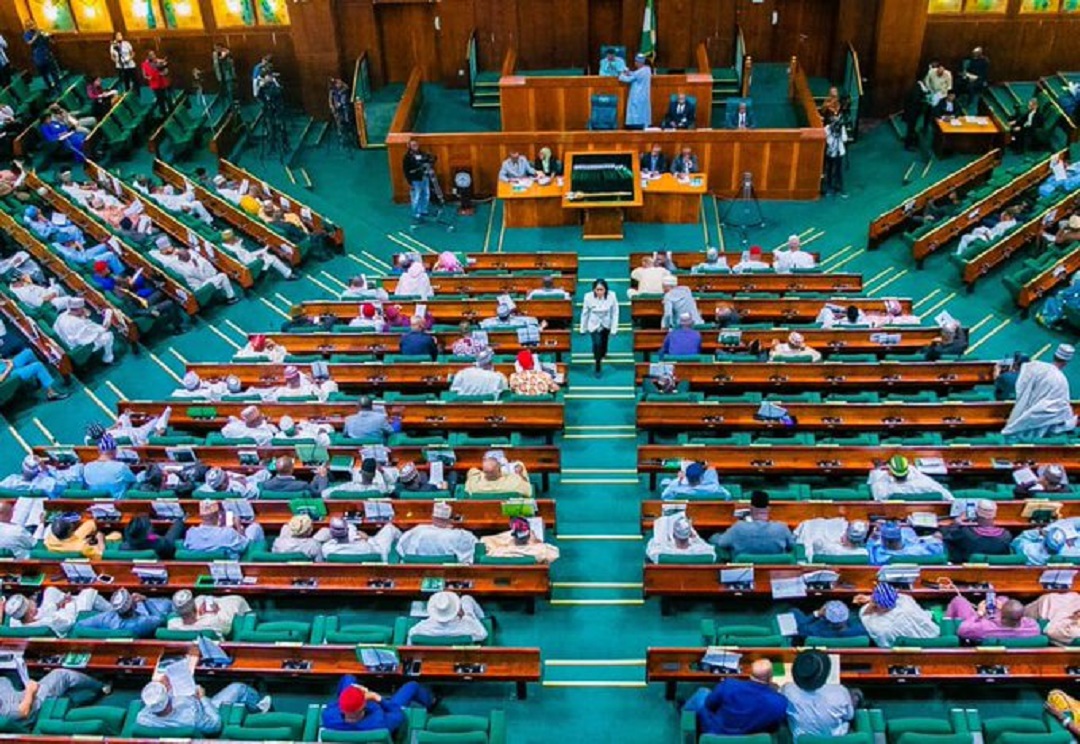
The House of Representatives Special Ad-hoc Committee on Constitution Review is set to deliberate on President Bola Tinubu's State Police Bill, a landmark proposal that seeks to establish state police services across Nigeria.
The 26-clause bill, which has passed its second reading, proposes a dual policing system that preserves the Federal Police Service while empowering states to create their own police institutions subject to nationally prescribed standards. The committee, chaired by Deputy Speaker Benjamin Kalu, is expected to consider the bill before presenting its recommendations to the House.
The proposed legislation seeks extensive amendments to the 1999 Constitution and provides for the establishment of State Police Service Commissions to oversee appointments, discipline, and administration at the state level. States will only be permitted to operationalise their police services after enacting enabling laws and receiving certification that they meet national minimum policing standards.
The Federal Police Service will retain responsibility for federal policing duties nationwide and may intervene in states under exceptional circumstances involving national security threats, institutional breakdown, or gross abuse of power.
The bill also introduces constitutional safeguards aimed at protecting human rights, strengthening civilian oversight, and enhancing accountability within both federal and state policing institutions.
It outlines procedures for the removal of key officials, including the Inspector-General of the Federal Police Service and State Commissioners of Police, subject to legislative approval. If enacted, the legislation would constitute one of the most far-reaching reforms of Nigeria's security architecture since the country's return to democratic rule, redefining the balance of policing responsibilities between the federal and state governments.