Nigeria’s Power Crisis: Why Universities Are Ditching the National Grid?
Nigerian universities are abandoning the national grid. What's driving the shift to self-generated electricity?
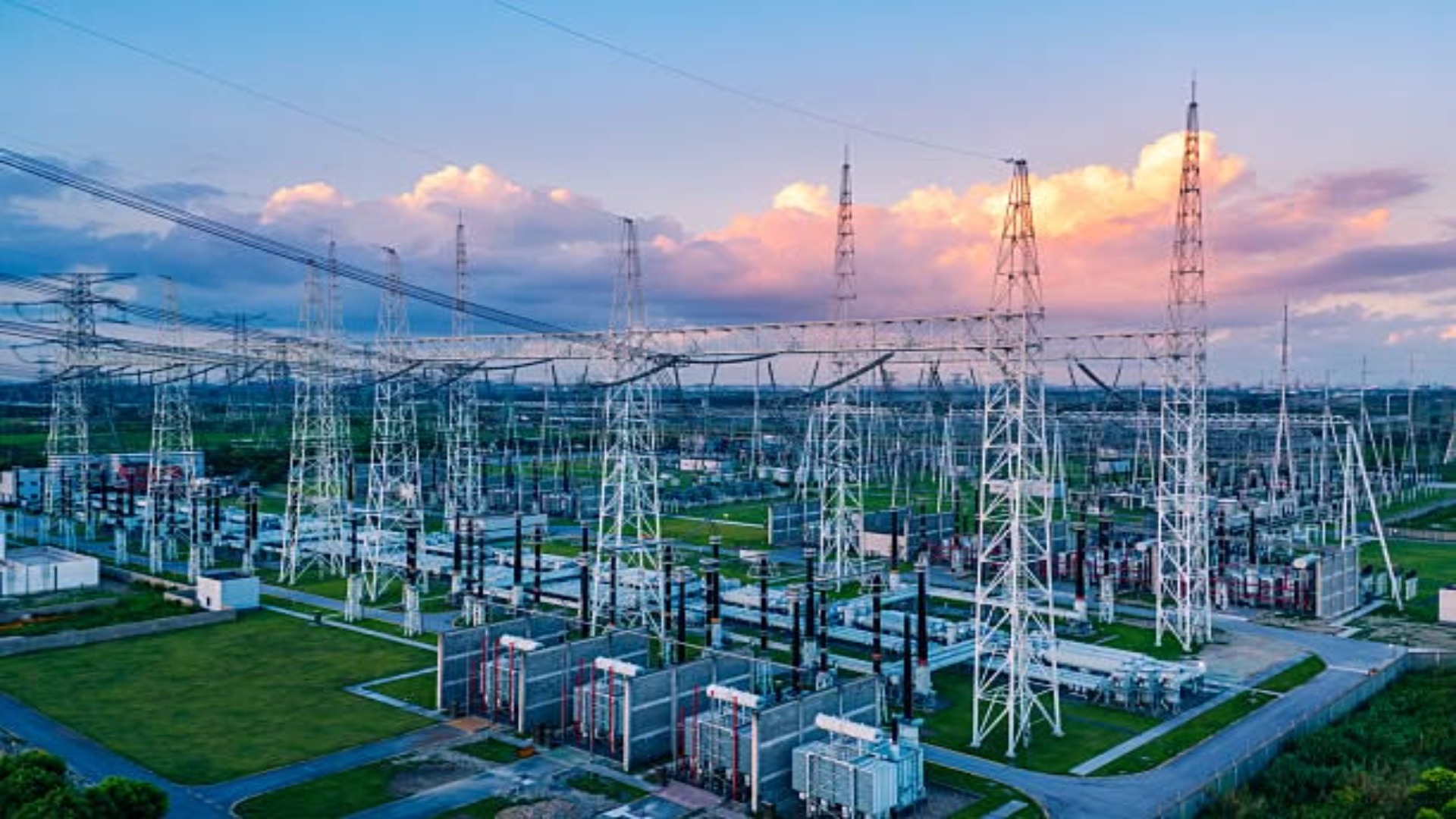
The persistent electricity outages have become a driven-force that has forced more Nigerian universities to take power generation into their own hands.
As unreliable electricity continues to disrupt lectures, research, laboratory work, and healthcare services, several institutions are increasingly investing in captive power plants to ensure a stable supply.
The shift has reflected growing concerns over the reliability of the national grid and raises broader questions about the future of Nigeria's electricity sector.
For many institutions, dependable electricity is no longer just a convenience, it is essential for maintaining academic standards, supporting innovation, and delivering critical medical services in teaching hospitals.
As more universities embrace self-generated power, the trend is also exposing the widening gap between the country's growing energy demands and the capacity of the national grid to meet them.
Universities Lead the Shift to Captive Power
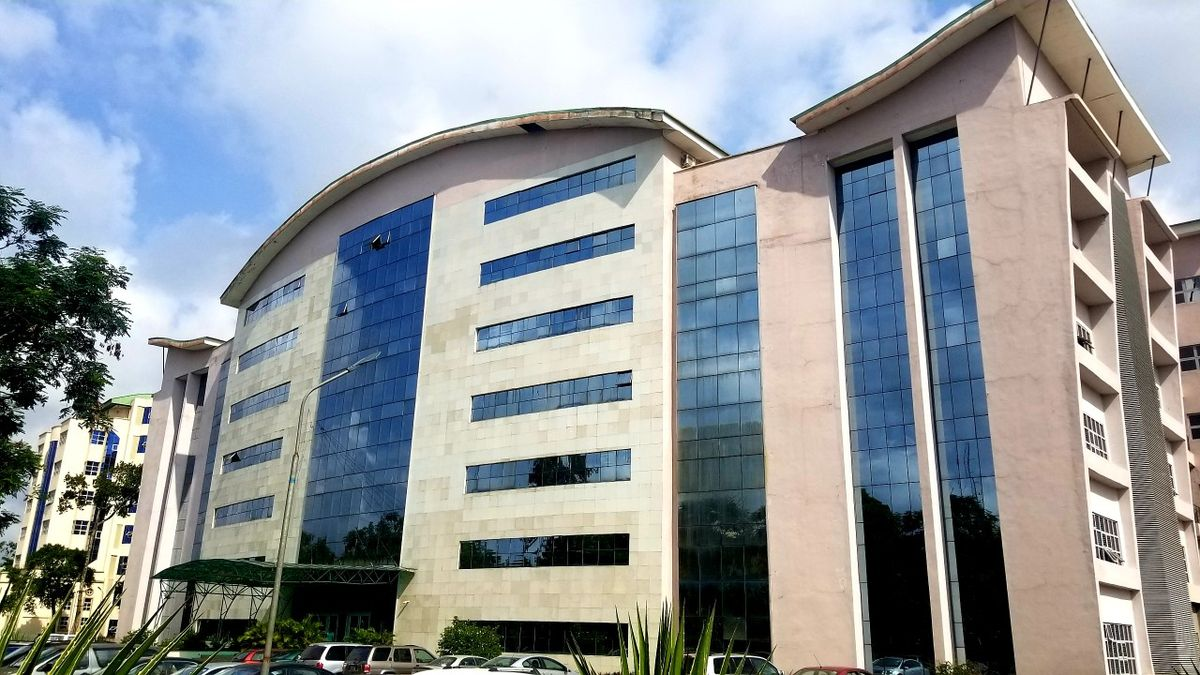
Nigerian universities accounted for the majority of captive power generation approvals in the first quarter of 2026.
According to the Nigerian Electricity Regulatory Commission (NERC), tertiary institutions received 32.8 megawatts (MW)—more than 80% of the 40.82MW approved during the period.
Of the seven captive generation permits issued, six went to universities and affiliated institutions, highlighting a growing reliance on self-generated electricity to keep campuses running efficiently.
The trend suggests that higher institutions are increasingly prioritizing energy independence to minimize disruptions to academic activities and essential services.
It also reflects a growing recognition that reliable electricity is critical for modern learning, scientific research, digital education, and the smooth operation of university facilities.
Power Outages Continue to Disrupt Education
For many universities, investing in captive power has become less of a choice and more of a necessity.
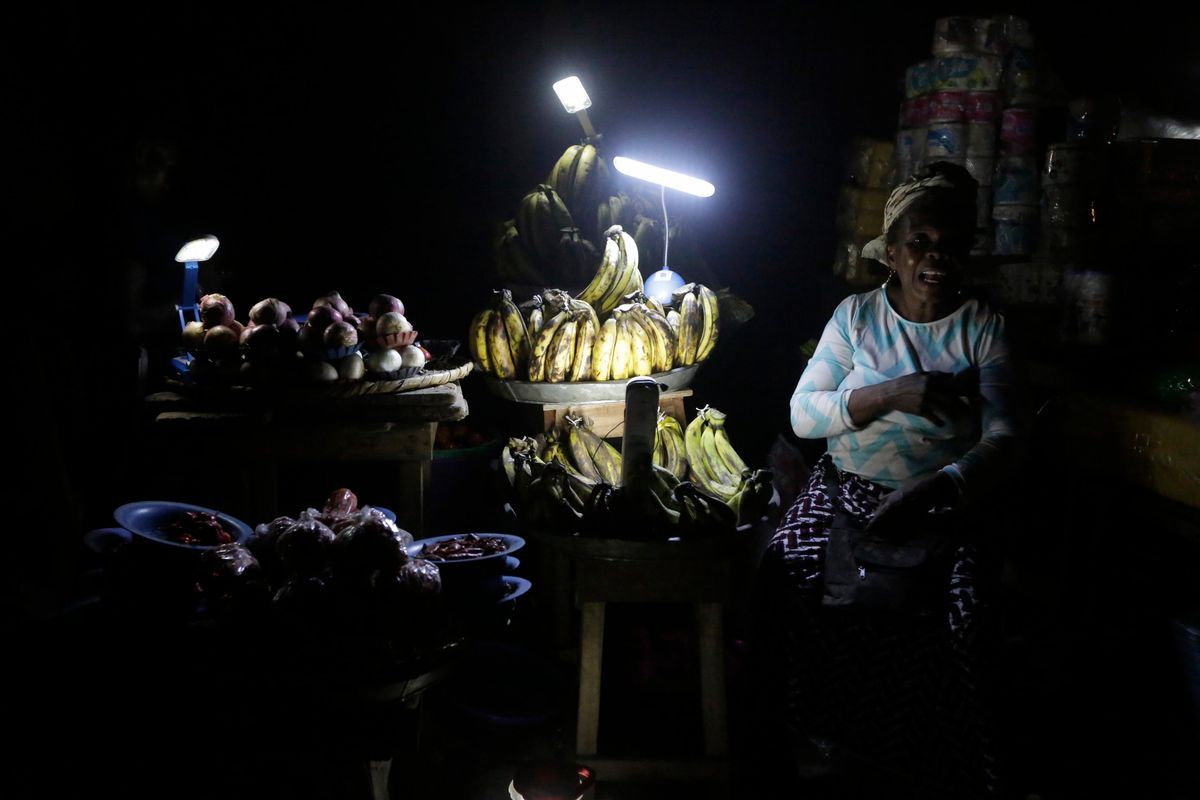
The frequent blackouts has made a lot of universities to face a lot of disrupted classroom activities, scientific research, laboratory experiments, and healthcare services in teaching hospitals, making it increasingly difficult for institutions to operate effectively.
The University of Port Harcourt and the University of Port Harcourt Teaching Hospital received the largest approvals at 10.7MW each.
While Modibbo Adama University, the Federal University of Uyo, the Federal University Dutsin-Ma, and the Federal University of Lafia also secured permits to strengthen their electricity supply.
University administrators argue that a dependable power supply is essential not only for teaching and learning but also for preserving sensitive laboratory equipment, supporting digital learning platforms, and ensuring uninterrupted patient care in teaching hospitals.
As electricity challenges persist, more institutions may see captive power as the only practical way to maintain academic excellence and essential services.

What It Means for Nigeria's Power Sector

This growing move toward captive power reflects declining confidence in the national electricity grid.
During the first quarter of 2026, the Nigerian Electricity Regulatory Commission (NERC) reported that average available generation capacity fell by 17.45% to 4,457.96MW, while total electricity generation declined by 9.64%.
The grid also experienced both a total and partial system collapse during the period.
While private power plants provide more reliable electricity for institutions that can afford them, experts warn that the continued departure of large consumers from the national grid could reduce revenue, discourage investment, and make it even more difficult to improve electricity supply for the rest of the country.
The trend also highlights a widening divide between organizations that can afford to generate their own electricity and those that remain dependent on the national grid.
If more universities, manufacturers, and large businesses continue to invest in captive power, the national grid could lose some of its biggest customers, making long-term improvements even harder to finance.
Industry experts warn that while captive generation improves reliability for institutions that can afford it, the continued migration of major electricity users could weaken the financial sustainability of the grid by reducing revenue needed to upgrade infrastructure and expand electricity access.
The growing reliance on self-generated power is increasingly being seen as a sign of the urgent need for lasting reforms in Nigeria's electricity sector.
Conclusion
The increasing adoption of captive power by Nigerian universities underscores the growing challenges facing the country's electricity sector.
While self-generated power offers a practical solution for institutions seeking uninterrupted operations, it also highlights the urgent need for lasting reforms to strengthen the national grid.
Unless electricity supply becomes more reliable, more universities, businesses, and public institutions are likely to follow the same path, further reshaping Nigeria's energy landscape.