Nigeria Has Never Elected A Woman President. How High Have Women Actually Climbed?
Nigeria has never elected a woman president. From Virginia Etiaba to Patricia Etteh, how far have Nigerian women really climbed in politics?
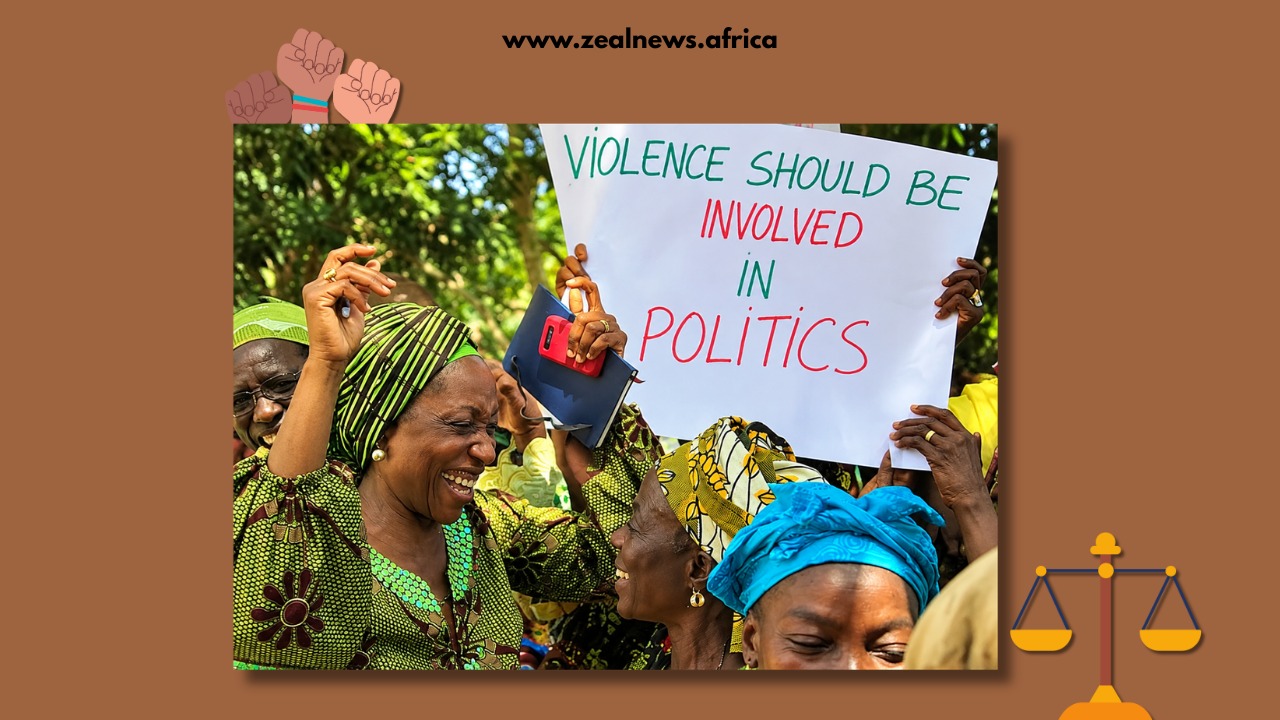
Nigerian women are everywhere in politics until you count the seats at the table.
They campaign, mobilise voters, fill party meetings, protest, vote and fight for the political causes that shape the country. They show up when candidates need crowds and when elections need votes.
But somewhere between the campaign ground and the seat of power, the numbers begin to disappear.
Nigeria has never elected a woman president or vice president. No woman has ever won a governorship election in any of its 36 states, and no woman has ever served as President of the Senate.
So the question is not whether Nigerian women participate in politics.
It is: how do women who are everywhere in Nigerian politics become so scarce when it is time to share political power?
Nigeria has never elected a woman president. No woman has been elected vice president. No woman has ever won a governorship election in any of the country's 36 states, and no woman has ever become President of the Senate.
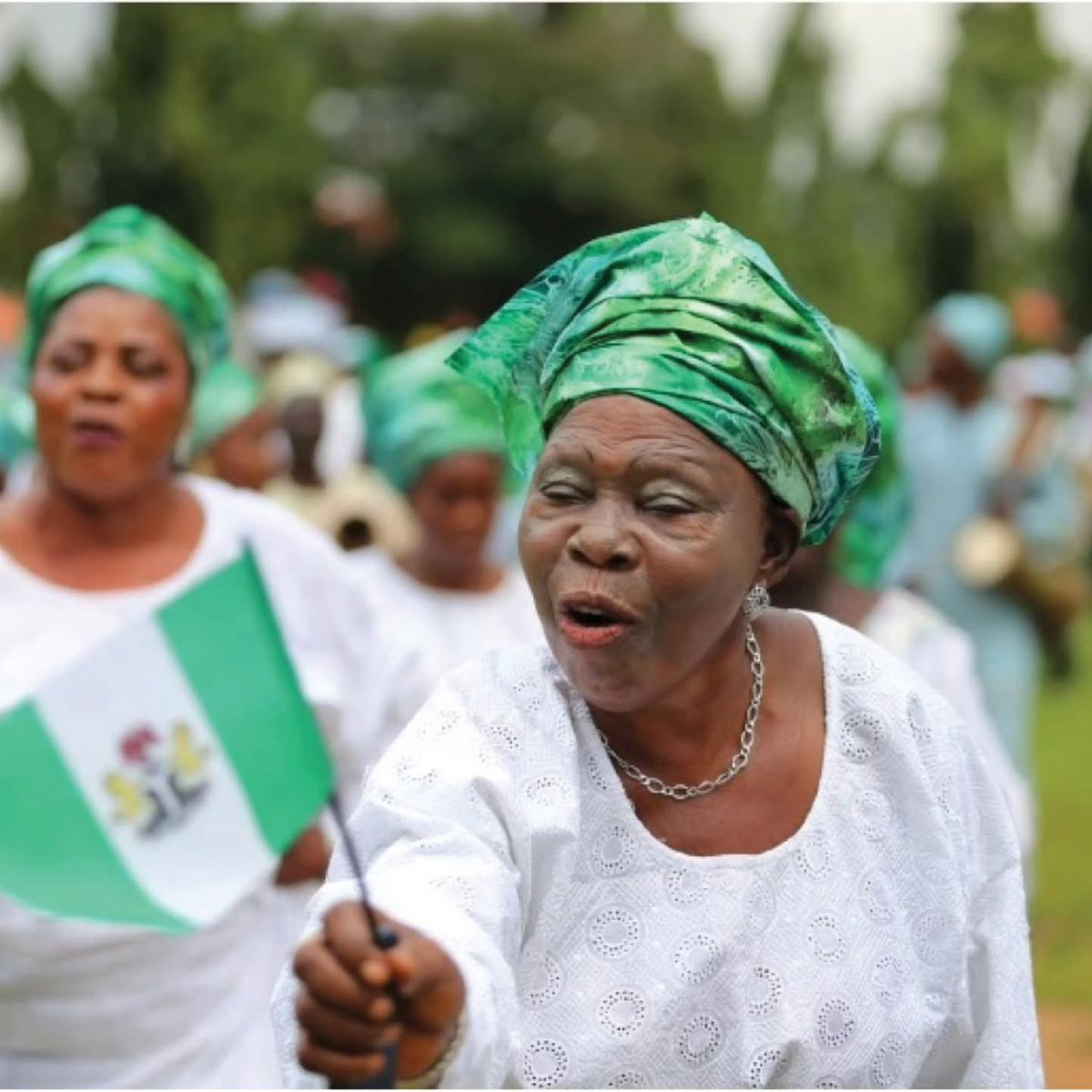
This is not because Nigerian women have never come close.
They have.
In 2006, Virginia Etiaba became the first woman to occupy a governor's office in Nigeriawhen she succeeded Peter Obi as governor of Anambra State after his impeachment.
In 2007, Patricia Etteh became the first woman to lead the House of Representatives as Speaker. Her election made history because, for the first time, a woman was sitting at the head of one of Nigeria's most powerful legislative chambers.
But nearly two decades later, those moments still look less like the beginning of a political transformation and more like islands in a very large ocean.
And that is where the story gets weird.
How Did Nigerian Women Get So Close To Power Yet Remain So Far From It?
Virginia's story is extraordinary, but it also reveals the difference between occupying political power and winning it.
She became governor because she was deputy governor when political events removed the sitting governor from office. Her tenure lasted only a few months before the Court of Appeal overturned the impeachment and Peter Obi returned to office.
So Nigeria could say it had its first woman governor.
But it could not say a woman had won a governorship election.
Let’s take note of that because elections are where political structures, party machinery, money, networks and voter support all collide.
A woman entering an office through succession is not the same political route as a woman surviving a party primary, running a statewide campaign and winning the votes necessary to become governor.
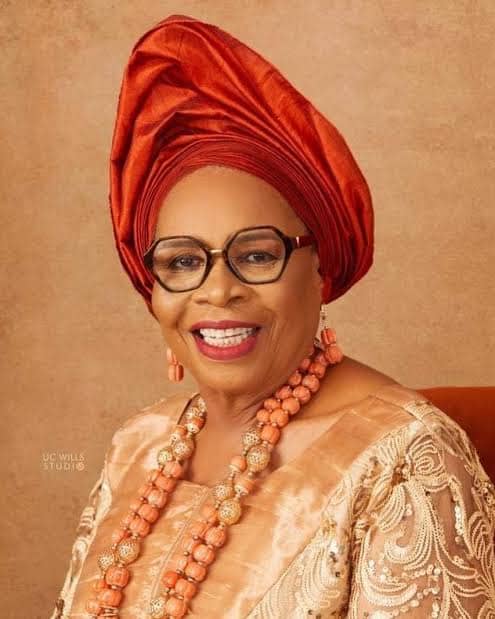

Patricia Etteh’s rise was different.
In June 2007, members of the newly inaugurated National Assembly elected her Speaker of the House of Representatives, making her the first woman to hold the position. The 2007 elections had also produced 25 women in the House and nine women in the Senate, an increase from 22 and four respectively in the previous cycle.
For a moment, it looked like something was shifting.
Then Patricia resigned in October 2007 amid controversy surrounding allegations about spending on official residences and vehicles for House leadership. Her time as Speaker lasted roughly four months.
The important story, however, is bigger than Patricia.
Because even when women break through, the breakthrough does not automatically create a path for the women behind them.
That is the strange thing about Nigeria's political history. A woman reaches an extraordinary position, the country celebrates the historic first, photographs are taken, headlines are written, and then the political system seems to return to its old shape.
There has been no female Speaker since Patricia.
No woman has followed Virginia into the office of elected state governor.
No woman has become Senate President.
No woman has become president.
What Happened To The Women Between The Ballot Box And The Big Offices?
The numbers tell a story that individual political biographies cannot.
According to the Inter-Parliamentary Union's current data,women hold 15 of the 356 seats in Nigeria's House of Representatives, representing about 4.2 percent of the chamber. In the Senate, women occupy four of the 107 currently occupied seats, about 3.7 percent.
Think about what that means.
In a House with hundreds of lawmakers, only 15 are women.
In a Senate with more than 100 occupied seats, only four belong to women.
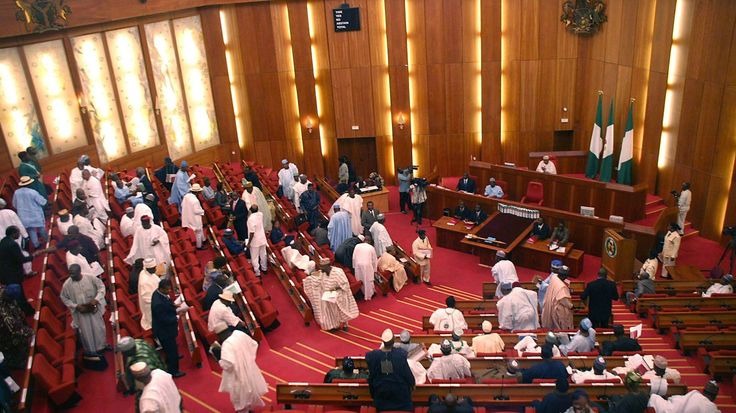
And these numbers are not the result of women suddenly deciding that politics is not for them. The historical record shows that women have contested elections and entered the legislature, but their representation has remained low and inconsistent.
In fact, the 2007 National Assembly is clear evidence. That year, 25 women were elected to the House of Representatives and nine to the Senate. So the question is not simply why women have not reached the presidency.
We should be asking why there are so few women lower down the political ladder in the first place.
Because before a woman can become Senate President, she has to become a senator.
Before she can become governor, she has to survive the machinery of a governorship election.
Before she can become president, she has to get through a political system where parties, nominations, money, networks and electoral structures determine who even gets the opportunity to compete seriously.
The journey to the top begins much earlier than the presidential ballot.
That is why focusing only on the absence of a female president can make the problem look smaller than it is.
The missing woman at the top is only the most visible part of a much larger absence.
Women are underrepresented in the legislature. They remain scarce in the highest elected executive offices. Their presence in political leadership has repeatedly been marked as an extraordinary event rather than something ordinary enough to stop making headlines.
And that is perhaps the most revealing part.
When a woman enters one of these rooms, it is still treated as history.
When another woman does not enter, we barely notice.
Where Are All The Women In Nigeria's Legislature?
There is something deeply unsettling about a political system where women can make up such a large share of the population and yet remain such a small share of the people making national decisions.
It means a Nigerian girl can grow up watching women teach in her school, run businesses, lead organisations, work in hospitals, build companies, practise law, write books and shape communities, but when she looks toward the National Assembly, she sees a very different picture.
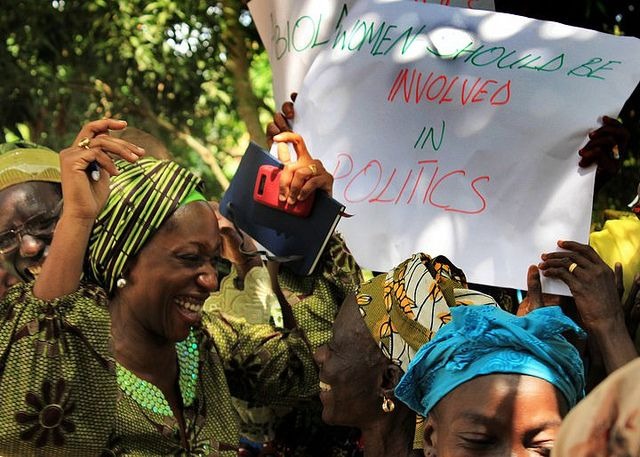
The message is difficult to miss.
Women can participate.
Women can campaign.
Women can vote.
Women can contest.
Women can even break historic barriers.
But reaching the places where political power is concentrated remains extraordinarily difficult.
There are legitimate debates about the causes. Money is a major factor in Nigerian elections. Political parties control access to tickets and structures. Political networks also matter.
Social expectations shape who is encouraged to seek power and who is expected to remain behind the scenes.
These factors do not affect every woman in exactly the same way, and they do not produce a single explanation for the country's numbers.
But the outcome is visible.
Nigeria's parliament remains overwhelmingly male.
The governorships remain male.
The Senate presidency remains male.
The presidency remains male.
And the country has spent years celebrating the few women who managed to break through without seeing a comparable expansion in the number of women coming behind them.
Virginia showed that a woman could sit in a governor's office.
Patricia showed that a woman could sit at the head of the House.
The women in today's National Assembly show that women continue to fight for political space despite the odds.
But two historic firsts cannot substitute for representation.
A country does not change its political culture because one woman gets through the door. It changes when women are no longer remarkable for being in the room.
Until then, perhaps the question we should be asking is not simply when Nigeria will elect its first female president.
It is much closer to home.
Where are all the women in Nigeria's legislature?