Nigeria Cannot Thrive Without Women: Reflections on IWD 2026
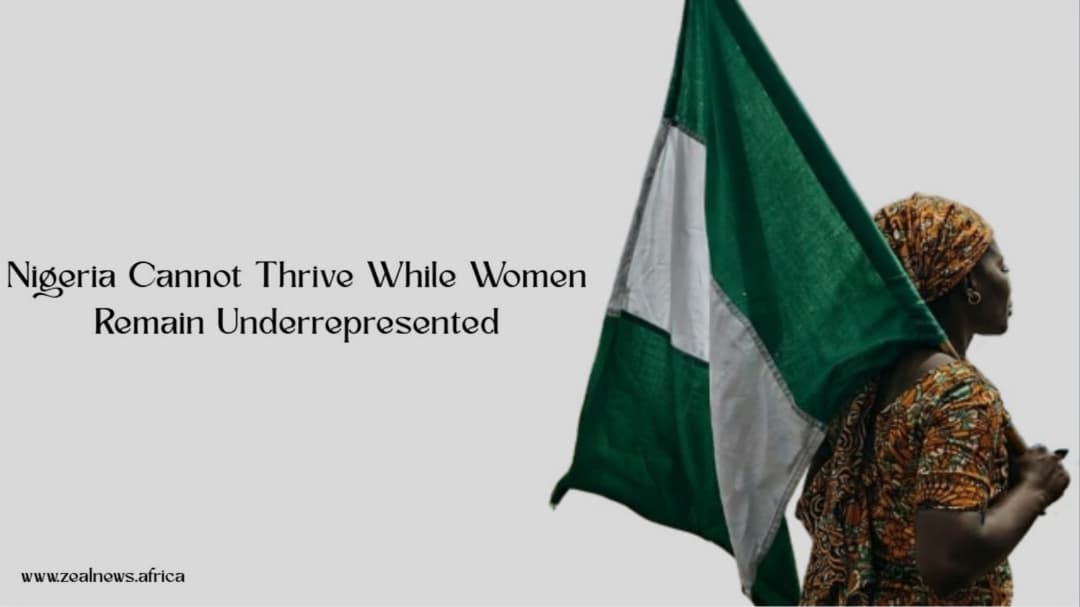
Nigeria cannot reach its full potential while women remain underrepresented in leadership. The National Assembly Secretariat’s IWD 2026 message highlights the urgency for change
Every year on International Women’s Day, Governments, organizations, and communities pause to celebrate the achievements of women.
But the day is also meant to highlight the work that still needs to be done.
In Nigeria this year, that message came strongly from the National Assembly Secretariat, which stated that the country cannot truly progress while women remain underrepresented in leadership.
But what does this mean in practice, and why is it urgent now?
The Numbers Tell the Story
Women make up almost half of Nigeria’s population, yet they occupy only a small fraction of leadership positions. In the National Assembly, women hold roughly 7% of seats.
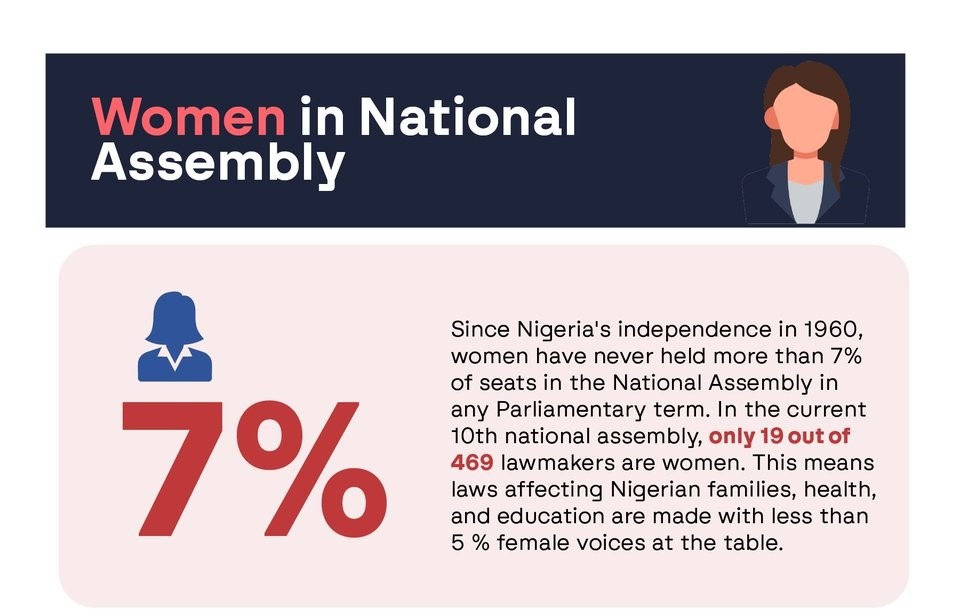
In business boards and local government councils, the figures are similarly low.
This underrepresentation is not just a statistic, it shapes the decisions that affect millions of lives.
Policies on education, healthcare, and economic empowerment often fail to reflect women’s perspectives.
When women are absent from these discussions, solutions become incomplete, and opportunities for progress are missed.
The situation becomes even clearer when Nigeria is compared with other countries.
In Rwanda, women hold more than half of parliamentary seats. The country deliberately adopted policies that encourage women to participate in politics, and the results have changed the face of leadership there.
Breaking Through Barriers
Despite these challenges, Nigerian women continue to make remarkable strides.
The low numbers in politics do not mean Nigerian women are absent from national development. In fact, women play visible roles in many areas of society.
From entrepreneurs leading successful businesses, to activists advocating for social justice, and professionals reaching high ranks in government institutions, women are carving paths that inspire others.
Yet, these successes are often individual triumphs rather than systemic change.
Cultural norms, political gatekeeping, and lack of funding continue to limit broader participation.
The NAS’s warning reminds us that personal achievement alone is not enough structural inclusion is essential.
Why Representation Matters

Representation is more than numbers; it is about influence.
When women are at the decision-making table, communities benefit: policies become more inclusive, healthcare programs better targeted, and educational opportunities expanded.
Take, for example, maternal health programs or initiatives for girls’ education.
When women are involved in shaping these policies, they are more likely to address the real challenges on the ground. The absence of women leads to gaps that affect millions of citizens every day.
A Call to Action
International Women’s Day should not end with speeches and hashtags. It should spark tangible change.
Institutions, political parties, businesses, and civil society must create pathways for women to lead. Mentorship programs, gender quotas, and policies that support work-life balance are practical steps that can begin to close the gap.
The message from NAS is clear: Nigeria cannot thrive if half its population remains on the sidelines.
Inclusion is not optional; it is a necessity for a future that is equitable, prosperous, and sustainable.