Netflix Just Acquired Warner Bros Discovery for $82 Billion, What Does This Deal Means for the Future
Netflix just acquired Warner Bros Discovery for $82B, are you aware of that? Read all about the acquisition, the bidding war that led to the deal, Warner Bros’ long-standing debt crisis, and how Netflix’s ownership of HBO, DC, and Cartoon Network could reshape the future of movies, culture, and global storytelling.
It's been announced that Netflix announced the acquisition of Warner Bros Discovery for an eye-watering $82 billion, the entertainment world has rattled like a studio backlot hit by a sudden earthquake. Not since Disney bought Fox has Hollywood seen a merger so massive, so unexpected, and so loaded with cultural consequences. Netflix now owns one of the oldest and most respected studios ever built, Warner Bros. The home of DC Comics, Harry Potter, the renowned Game Of Thrones, Looney Tunes, HBO, Cartoon Network, Adult Swim, CNN’s vast archive, and nearly a century of American storytelling is now under the umbrella of a company that did not exist before 1997.
For some, the move signals a strategic rescue mission for Warner Bros, a studio drowning under years of heavy debt and decreasing profits. For others, the deal symbolizes the final confirmation of a new world where streaming giants, not traditional studios, dictate what global storytelling looks like. And for many observers, this acquisition raises questions about whether Netflix’s controversial reputation,especially conversations around LGBTQ+ representation, political messaging, algorithm-driven storytelling, and Elon Musk’s public criticism and his attempt to drive the cancel culture on Netflix especially regarding children cartoon content—will reshape the identity of Warner Bros content.
Either way, the entertainment landscape of Warner Bros has officially changed. Forever.
The Bidding War Nobody Expected, and the Debt Problem Everyone Ignored
Behind the glossy press statements and carefully crafted announcements, the truth is much simpler: Warner Bros Discovery has been bleeding money for years. Even before the 2022 merger between WarnerMedia and Discovery, the company carried a massive debt load, one that grew into a mountain as streaming competition increased. HBO Max struggled to retain subscribers; Discovery+ likely could not scale to match top competitions; and the cost of producing films and blockbuster shows rose faster than profits. Legacy cable revenue fell sharply, theaters declined after the pandemic, and advertising crashed in a world turning toward subscription models.
It seemed like that the situation became so dire that Warner Bros started quietly exploring possible buyers. Netflix, Paramount Global and Comcast immediately signaled interest, both hoping to swallow Warner Bros’ historic library to strengthen their own streaming futures. What followed was a bidding war, one of the most aggressive Hollywood has seen since the 1980s studio restructures.
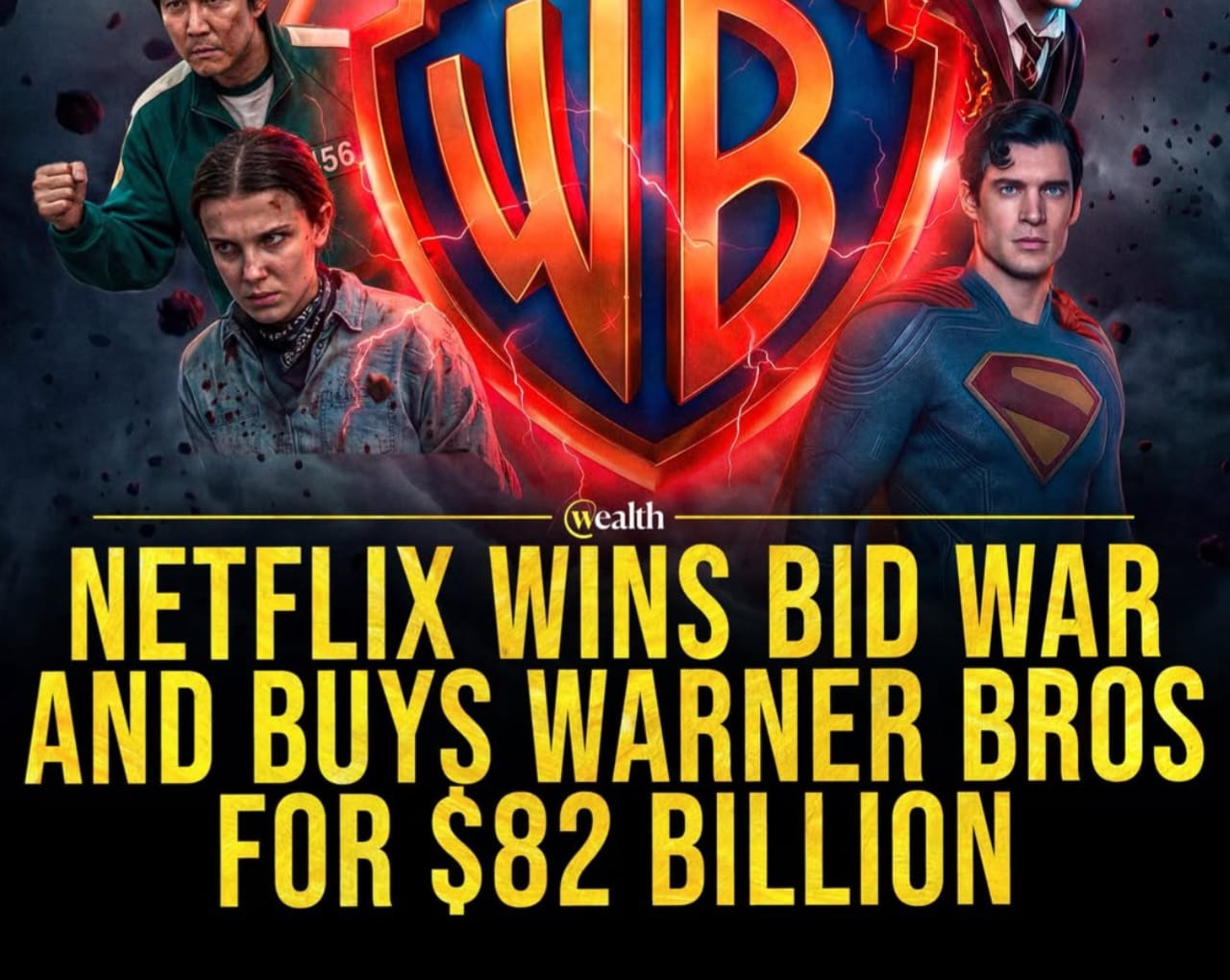
For years, Netflix was the outsider, the disruptor, the tech child who was never invited into the “old Hollywood” elite circles. Yet, suddenly, Netflix placed a historic, record-breaking bid and won. While Paramount and Comcast offered substantial deals, Netflix stunned both competitors and analysts by offering $82 billion—a number so large that shareholders and the Warner Bros Discovery board seemed like they could not refuse.
The acquisition gives Netflix full ownership of the Warner Bros film studio, Warner Bros Television and all its movies, HBO and all its sub-channels, Cartoon Network, New Line Cinema, DC Studios, Adult Swim, Turner Classic Movies, and a vast distribution network. For Netflix, this was not simply buying a company, it was buying legacy, cultural influence, and a storytelling empire.
What This Means for HBO, DC, Cartoon Network, and the Future of the Warner Bros Identity
Perhaps the biggest shock of this acquisition is that Netflix now controls franchises and creative units that have defined American culture and how the world views it for decades. HBO, long celebrated as the gold standard of premium storytelling, is now owned by a company known for algorithm-driven content development. Cartoon Network, the home of nostalgic and genre-defining shows, now belongs to a platform whose children’s content has been both praised and criticized. DC Studios, forever struggling to find a stable identity, now faces new corporate oversight that could either save it or reshape it entirely.
The question gripping Hollywood is simple: Will Netflix change the essence of Warner Bros storytelling?
One fear is that the studio’s long-standing creative traditions may now be influenced by Netflix’s global content strategy. Netflix has often leaned into socially progressive storytelling, leading to conversations, especially on social media, about whether the platform “pushes” LGBTQ+ narratives. Elon Musk famously criticized Netflix during a heated online debate, saying the company was at risk of “going woke and going broke.” Whether or not that statement is accurate, it ignited a cultural conversation about Netflix’s direction and brand.
Now the anxiety resurfaces: With Netflix owning HBO, Cartoon Network, and DC, will the tone of these brands change?
While Netflix insists that Warner Bros will continue to operate with its own creative identity, history suggests acquisitions always cause shifts. Disney promised to keep Fox edgy; within two years, multiple Fox-developed projects were canceled. Similarly, Amazon’s acquisition of MGM altered development pipelines and redistributed studio power.
HBO's future under Netflix is especially worth watching. Will Netflix allow HBO to maintain its distinct, high-budget, prestige storytelling model, or will it push for more content volume to fuel the streaming machine? Will DC films become more serialized and algorithm-friendly? Will Cartoon Network’s quirky, experimental DNA become more standardized to suit global streaming markets?
These are not merely industry questions. They are questions about culture, influence, and the global direction of storytelling.
Nevertheless, it is also possible that Netflix will preserve, not erase, the Warner Bros identity. After all, Netflix did not just spend $82 billion to break a legacy because maybe that will be catastrophic; it spent the money to inherit it and profit from it. HBO is an asset precisely because of what it represents. DC remains valuable because of its potential. Cartoon Network still has devoted global audiences. The movies under Warner Bros like Harry Potter, Game Of Thrones and Friends still have devoted fans. Its games including HOGWARTS LEGACY AND MORTAL KOMBAT still holds a place in the hearts of many. The real challenge for Netflix is integrating these brands into its ecosystem without suffocating their uniqueness.
The future may not involve dramatic changes immediately. Historically, acquisitions of this size unfold slowly. Netflix may spend the first few years simply stabilizing Warner Bros’ finances, restructuring internal units, and cleaning up a debt legacy that has haunted the studio for decades. Only after that might creative shifts become visible. For now, the company appears to be positioning itself as a caretaker, one ready to modernize but not demolish.
The New Trajectory of Movies: How Netflix’s Ownership Could Rewrite Hollywood’s Future
Beyond studio politics, the deeper question remains: What does this mean for the future of movies?
Warner Bros has traditionally balanced theatrical releases with home entertainment. Netflix, however, prioritizes streaming as its main distribution avenue. Although Netflix has shown interest in theatrical partnerships for awards-season films, it is not a studio built on cinema-first traditions. This clash raises multiple possibilities.
Some analysts predict that Netflix may gradually shift Warner Bros productions toward streaming exclusives. Others believe the company may adopt a hybrid model similar to Sony’s flexible release strategy, using theaters for blockbuster events and streaming for mid-tier projects. Netflix’s ownership of a major studio might finally push the company into embracing theaters more seriously, especially with DC, Harry Potter, and other large franchises under its umbrella.

Another question concerns creative risk. Warner Bros historically embraced unconventional filmmaking, from Christopher Nolan’s mind-bending epics to culturally defining films like The Matrix, Inception, Joker, and Mad Max. Netflix tends to prioritize content that drives high engagement metrics. Will that affect Warner Bros’ boldness?
The issue is not whether Netflix will censor or alter storytelling. It is whether Netflix’s algorithm-first business model will influence the kinds of stories Warner Bros chooses to tell. This is where the cultural anxiety comes from, not political correctness, not representation debates, but the idea that data might overpower artistry.
The acquisition also shifts the future of animated storytelling. Netflix now controls Cartoon Network and Adult Swim, two of the most unique animation brands in the world. Will Netflix protect their creative weirdness, or will it remold them into the polished, safe, globally digestible content that streaming algorithms prefer? A world where Cartoon Network becomes less experimental, where Adult Swim becomes less chaotic, is one where animation loses some of its most rebellious voices.
Yet, there is a counter-possibility worth considering. Netflix, for all its criticisms, is also a platform that has funded risky international projects, revived dying franchises, given global visibility to minority voices, and pushed experimental formats. Under the right leadership, Warner Bros could become a hybrid powerhouse—one that merges Hollywood tradition with digital-era agility.
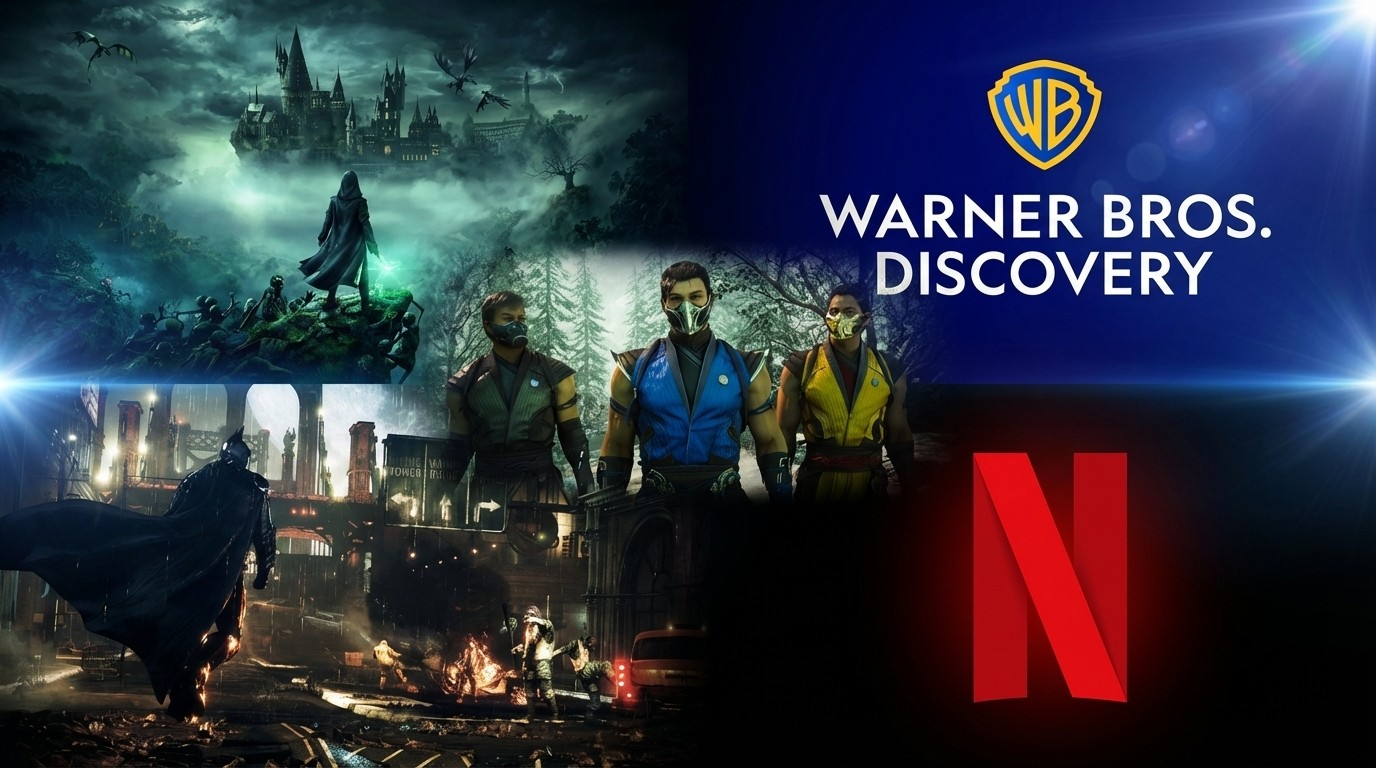
For now, no one knows the final outcome. What is clear, however, is that the acquisition has redefined the future of Hollywood and that of Warner Bros, also it has reshaped the competitive landscape, and opened a new chapter in global entertainment where legacy studios can be swallowed by technological giants in a single decisive move.
Netflix is no longer the outsider in this matter. It now owns a major piece of Hollywood’s identity. The only question left is whether that identity will remain intact, evolve gracefully, or transform completely.