Netflix Faces Subscriber Backlash Following Elon Musk-Endorsed Boycott
A massive boycott led by Elon Musk has hit Netflix, causing its share price to plummet. The controversy stems from conservative backlash against the animated series 'Dead End: Paranormal Park' and its transgender themes, igniting a significant cultural debate over content choices.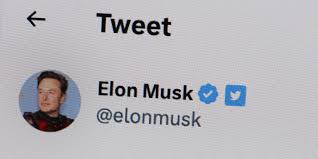
Streaming giant Netflix recently faced a major hit to its subscriber base and market value after a mass cancellation wave sparked by American users in response to a social media call from Elon Musk. The company’s share price plummeted 31 percent, trading around $1,167 per share in the aftermath of the boycott. The movement gained traction on X (formerly Twitter), where Musk publicly endorsed the trend, tweeting, “Cancel Netflix for the health of your kids” and confirming that he had canceled his own account.
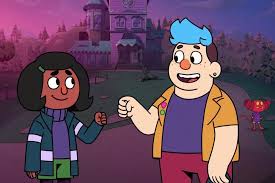
The controversy centers on the animated series Dead End: Paranormal Park and its creator, Hamish Steele. Critics cited Steele’s past remarks allegedly mocking the assassination of conservative activist Charlie Kirk, alongside the show’s inclusion of prominent transgender themes. While this does not signal Netflix’s immediate decline, the incident highlights a critical moment as cultural divisions force the platform to reconsider both content choices and its relationship with a vocal segment of its American audience.
The boycott quickly escalated, with the hashtag #CancelNetflix trending on X. Users shared evidence of their cancellations, echoing Musk’s claim that Netflix is promoting a “woke agenda” through its children’s programming. Clips from Dead End: Paranormal Park, featuring an openly transgender main character, circulated widely as proof that the content was deemed inappropriate for young audiences. While Netflix has a history of including diverse characters, the focus on a children’s show intensified the backlash, prompting many conservative viewers to withdraw support, accusing the platform of prioritizing social messaging over family-friendly entertainment.
This incident is the latest in an ongoing feud between Musk and Netflix over what he calls the “woke mind virus.” Musk has long used his social media influence to critique content he perceives as ideologically driven, arguing that it makes entertainment, particularly Netflix programming, “unwatchable.” His first major public critique came in April 2022, when Netflix reported a rare subscriber loss, drawing Musk’s attention to what he describes as a pattern of content that alienates certain audiences.
The recent boycott underscores the growing challenge for Netflix: balancing creative expression, diverse representation, and audience expectations in a culturally polarized environment. While the platform remains a dominant player in global streaming, its response to these controversies could shape subscriber retention and brand perception in the critical U.S. market.