Elon Musk Reveals Ambitious Moonbase Alpha Plan for SpaceX and xAI
Elon Musk outlines a bold vision for xAI and SpaceX, including a lunar city to mass-produce AI computers and launch them across the solar system.
Following a recent merger with SpaceX, AI lab xAI is launching an unconventional recruitment drive. CEO Elon Musk encouraged applicants with the message: “Join xAI if the idea of mass drivers on the Moon appeals to you,” signaling a shift away from traditional AI goals like AGI development or deep learning disruption.
This visionary approach positions the combined company for a future IPO, leveraging synergies that extend beyond AI data centers in Earth orbit.
Musk’s vision extends to building massive computers in deep space, using the Moon as a manufacturing hub. He outlined plans for a lunar city dedicated to constructing these space computers and launching them via a “big maglev train,” or mass driver.
This marks a strategic pivot as SpaceX scales back Mars colonization ambitions, a narrative that previously served as a strong talent recruitment tool.
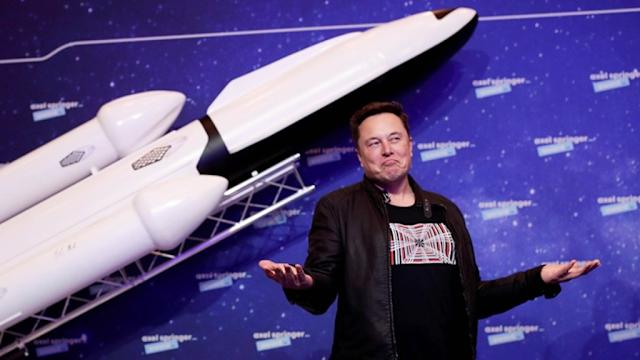
For nearly a decade, the dream of Martian exploration united SpaceX’s development efforts, epitomized by “Occupy Mars” merchandise.
However, technical challenges and costs forced the abandonment of repurposing Dragon spacecraft as Mars landers. Starship, initially conceived for Mars colonization, was scaled to focus on launching Starlink satellites and securing NASA contracts for Moon missions.
With xAI now integrated, Musk is inspiring staff with the Kardashev Scale, a theoretical measure of galactic civilizations’ energy consumption.
He proposed that a lunar base could harness a few percent of the Sun’s energy to power massive AI models, adding that it would be “incredibly exciting to see it happen.”
While Earth-orbit AI data centers may become feasible in the 2030s, establishing a self-sustaining Moonbase to mass-produce and launch computers presents enormous logistical challenges.
It would require drastically cheaper space access and solutions for transporting raw materials—a vision that pushes the boundaries of current technology and imagination.