Natural Remedies That Are Often Safer Than Medicine And Why We Keep Forgetting Them
A health commentary on natural remedies that often support healing more gently than medicine, examining prevention, lifestyle, and balance in modern wellness.

There was a time when healing did not begin in pharmacies but in farms, kitchens, backyards, and conversations with elders. Long before blister packs and prescriptions became the first response to discomfort, people turned to rest, herbs, movement, food and time.
Somewhere along the line, modern life trained us to distrust anything that does not come with a label, dosage chart, and side effects list. Now, the moment the body whispers discomfort, we silence it with pills instead of listening to what it is asking for.
This is not an argument against medicine. Modern medicinehas saved lives, extended lifespans, and transformed healthcare in ways traditional methods alone never could.
There is a growing discomfort around how quickly medication has become the default response for issues that are often rooted in lifestyle, stress, poor nutrition, or neglect of basic bodily needs. Many drugs are effective, yet they frequently come with side effects that sometimes require additional medication to manage. That cycle alone should make us pause.
Natural remedies are not magical cures, and they are not substitutes for professional medical treatment when serious illness is involved. What they offer, however, is something medicine often overlooks: support, prevention, and gentleness. They work with the body instead of overriding it.
In many everyday situations, they can be safer, especially when used responsibly and consistently.
What follows is not nostalgia or folklore. These are natural remedies backed by research, long-term observation, and cultural wisdom, offering reminders that healing does not always need to be aggressive to be effective.
When Food Becomes the First Medicine
One of the most overlooked truths about health is that many common symptoms begin in the gut. Digestive discomfort, bloating, inflammation, fatigue, and even mood changes are often signs of dietary imbalance rather than disease.
Ginger has long been used to ease nausea, indigestion, and inflammation, with studies supporting its effectiveness for stomach discomfort and motion sickness. Unlike many anti-nausea medications, ginger does not cause drowsiness or dependency.
Garlic is another quiet natural remedy that is not fully used. Beyond its culinary use, it has antimicrobial and anti-inflammatory properties that support immune health and cardiovascular function.
Regular consumption has been linked to reduced blood pressure and improved cholesterol profiles, without the harsh gastrointestinal side effects some medications cause.

Then there is turmeric, whose active compound curcumin has been widely studied for its anti-inflammatory benefits. While it does not replace painkillers in acute cases, it offers long-term support for joint health and chronic inflammation with a far gentler impact on the body.
Food-based remedies remind us that healing often starts with what we eat consistently, not what we take occasionally.
Rest, Water, and the Remedies We Ignore Because They Are Free
Some of the safest and most effective remedies are dismissed because they are simple. Sleep is one of the most powerful natural healers available. Chronic sleep deprivation is linked to weakened immunity, hormonal imbalance, anxiety, depression, and cardiovascular disease. No supplement can fully compensate for poor sleep hygiene, yet sleep is often the first thing sacrificed in busy lifestyles.
Hydration is another neglected remedy. Mild dehydration can cause headaches, fatigue, dizziness, poor concentration, and digestive problems. Many people reach for painkillers for headaches that would ease with water and rest. Unlike medication, water carries no risk of overdose when consumed sensibly, yet its impact on bodily function is profound.
Warm baths and heat therapy also deserve attention. Muscle tension, menstrual cramps, and stress-related pain often respond well to warmth, which improves circulation and relaxes muscles. Heat therapy offers relief without the gastrointestinal or renal risks associated with frequent painkiller use.
These remedies are safe precisely because they restore balance rather than forcing the body into submission.

Nature’s Answer to Stress, Anxiety, and Mental Fatigue
Mental health conversations often focus on medication as the primary solution, yet stress and anxiety are deeply influenced by lifestyle and environment. Natural remedies here are not about denial but support.
Herbal teas such as chamomile and peppermint have calming properties that support relaxation and digestion. Chamomile, in particular, has been studied for its mild anxiety-reducing effects without the sedative risks of stronger drugs.
Physical movement, especially walking, remains one of the most underrated mental health remedies. Regular walking has been shown to reduce symptoms of depression and anxiety while improving cardiovascular health. It requires no prescription, carries minimal risk, and supports both mental and physical wellbeing.
Breathing exercises and mindfulness practices are not trends; they are biological resets. Controlled breathing activates the parasympathetic nervous system, reducing stress hormones and lowering heart rate. Unlike medication, these practices build resilience rather than dependency.
In a world that overstimulates the nervous system daily, natural calming practices act as preventative care rather than emergency intervention.
The Immune System Was Designed to Be Supported, Not Replaced
The immune system is not a switch that turns on only when we are sick. It is a system that responds to consistent care. Vitamin C-rich foods, such as citrus fruits and leafy greens, support immune function without the digestive upset that high-dose supplements sometimes cause.

Honey, particularly raw honey, has antibacterial properties and has been shown to soothe coughs more effectively than some over-the-counter syrups, especially in children over one year old. It supports healing without the risks of overmedication.
Sunlight exposure, within safe limits, supports vitamin D production, which plays a role in immune regulation and mood stability. Deficiency has been linked to increased susceptibility to infections. While supplements exist, natural sunlight remains one of the most efficient sources when accessed responsibly.
These remedies reinforce immunity rather than masking symptoms, which is why they often feel slower but more sustainable.
Why “Safer” Does Not Mean “Careless” And Returning to Balance Without Rejecting Progress
It is important to be clear: natural does not automatically mean harmless. Dosage, interaction, and individual health conditions matter. However, natural remedies generally carry lower risks of addiction, organ damage, and severe side effects when used appropriately.
This is where they differ significantly from many pharmaceuticals designed for acute intervention rather than long-term use.
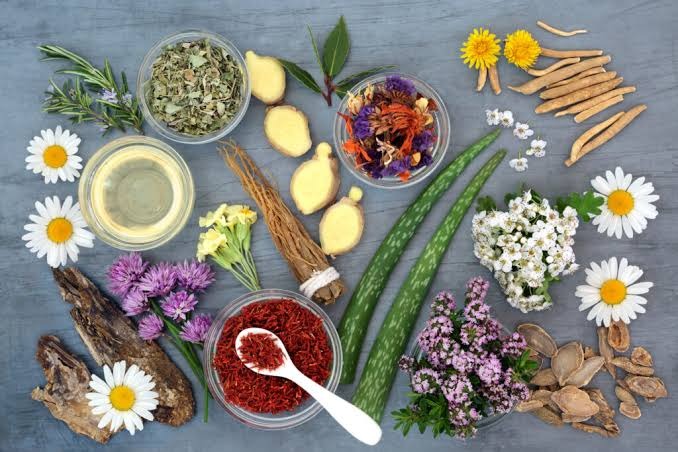
The problem is not medicine itself but the culture surrounding it. We live in a society that prefers immediate relief over understanding root causes. Natural remedies demand patience, consistency, and lifestyle adjustment, which modern life often resists.
Health is not built during sickness alone. It is built daily through choices that seem small until their absence becomes obvious.
The safest approach to health is not choosing between natural remedies and medicine, but knowing when each is appropriate. Natural remedies excel in prevention, maintenance, and mild conditions. Medicine shines in emergencies, infections, and complex illnesses. Problems arise when one is expected to do the job of the other.
Perhaps the real issue is not whether natural remedies are safer than medicine, but why we have been conditioned to forget that the body is not broken by default. Sometimes it only needs support, rest, and respect.
In reconnecting with natural remedies, we are not rejecting science. We are remembering that science, culture, and common sense were never meant to be enemies.