Mystery 'Rat Virus' Ship Triggers UK Health Scare: Two Isolated, Officer Seriously Ill

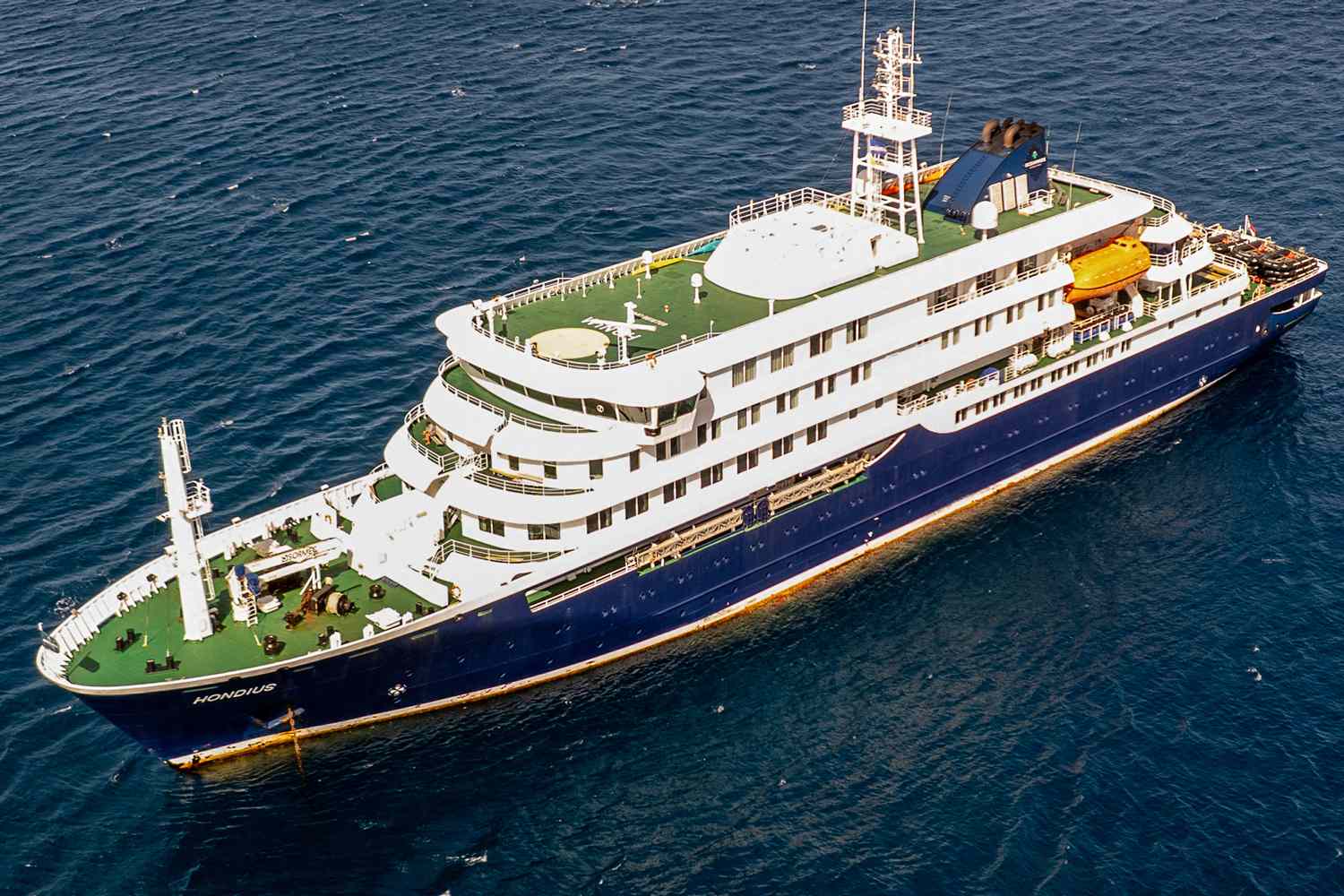
The MV Hondius cruise ship has been at the center of a deadly hantavirus outbreak, a rare rat-borne illness with a high mortality rate, leading to three passenger deaths and multiple severe illnesses. The vessel, which commenced its journey from Ushuaia, Argentina, with Cape Verde as its destination, recorded its first fatality on April 11, a 70-year-old Dutch man. His body remained on board until April 24 when it was disembarked at St Helena. Tragically, his 69-year-old wife later succumbed to the illness on April 26 in Johannesburg after falling ill during a flight. A German national also died on board the ship on May 2.
The World Health Organisation (WHO) has confirmed eight suspected cases of the virus on the MV Hondius. While hantavirus is typically spread to humans through contact with rodent urine, droppings, and saliva, the WHO is investigating the possibility of person-to-person transmission aboard the ship, which would represent an unusual and critical development for this type of infection. Investigators suspect the outbreak may have originated when a Dutch birdwatching couple, who later boarded the MV Hondius, visited a landfill site in Ushuaia, potentially exposing themselves to infected rodents.
The escalating health crisis prompted urgent medical evacuations. Martin Anstee, 56, a British ex-police officer and expedition guide, was among three suspected hantavirus patients flown to the Netherlands for treatment. His wife, Nicola, described the experience as "very traumatic," noting her husband's condition had been "up and down" but expressed relief at his transfer for treatment. Additionally, a 69-year-old British man was medically evacuated to Johannesburg, South Africa, where he tested positive for hantavirus and is currently receiving intensive care.
Further afield, two British passengers who disembarked at St Helena between April 22 and 24 and returned to the UK independently, are now self-isolating at home under the guidance of the UK Health Security Agency (UKHSA). Although asymptomatic, they are classified as 'close contacts.' The UKHSA has reassured the public that the risk remains "very low." The global reach of the incident was underscored when a passenger who left the cruise before the main outbreak developed symptoms upon arriving home in Switzerland and is now in an isolation unit in Zurich, facing a potential 45-day quarantine.
The MV Hondius itself faced significant logistical and diplomatic challenges. After being stranded off Praia, Cape Verde, the vessel was eventually ordered by Spain's Prime Minister to dock in the Canary Islands on Saturday to allow passengers and crew to undergo medical checks. This decision came despite initial attempts by Canary Islands authorities to reject the ship, fearing the introduction of the deadly virus onto their territory. The ship departed Cape Verde following the initial passenger evacuations.
Approximately 150 people, including more than 20 British nationals, remained on board the cruise ship, subjected to "strict precautionary measures." Passengers were isolated in their cabins, with common spaces deserted, a stark contrast to initial assurances from crew members who reportedly downplayed the severity of the situation. Given the hantavirus's incubation period of up to eight weeks, these passengers, including the British contingent, could face quarantine for a similar duration. The UK Government, through Prime Minister Sir Keir Starmer and Foreign Secretary Yvette Cooper, has confirmed they are "working urgently" with international partners to support and arrange safe onward travel for British nationals, with plans for a charter flight from the Canary Islands for asymptomatic individuals. Health officials are also actively tracing at least 80 passengers who shared flights with the deceased Dutch woman.
Hantavirus symptoms, which can manifest anywhere between two days and eight weeks post-exposure, typically include fatigue, fever, muscle aches, and intense headaches. With around 40 percent of cases resulting in death, and the WHO's consideration of possible human-to-human transmission in this specific context, the MV Hondius outbreak highlights an exceptional public health concern.
You may also like...
Agent Bombshell: Haaland's Representative Labels Man City 'Most Difficult Club' for Deals

Erling Haaland's agent, Rafaela Pimenta, shared insights into negotiating with Manchester City, calling them the most di...
Playoff Blow: 76ers Star Joel Embiid Out for Crucial Game 2 Due to Injuries

Philadelphia 76ers star Joel Embiid is confirmed to miss Game 2 of the Eastern Conference semifinals against the New Yor...
Dream Team Alert! Martin Scorsese & Oscar Isaac Reunite for New Netflix Crime Thriller Series!
Oscar Isaac is set to star as Robert “Bobby Red” Redman in a new, as-yet untitled Las Vegas-set series for Netflix, port...
Hollywood Heavyweights Miles Teller & Eddie Redmayne Set to Team Up in Doug Liman's Explosive New Spy Thriller 'Star One'!

Doug Liman's new spy thriller “Star One” is heading to the Cannes market, with Eddie Redmayne and Miles Teller in talks ...
Iconic Hit: Coolio's 'Gangsta's Paradise' Shatters 2 Billion YouTube Views Milestone!

Coolio's classic 1995 hit "Gangsta’s Paradise" has reached a new milestone, with its music video hitting 2 billion views...
Shocking Twist: How One Quote Nearly Undermined 'The Boys' Season 5's Biggest Betrayal

"The Boys" Season 5, Episode 6, "Though the Heavens Fall," delivers a shocking climax as Black Noir meets his end at the...
IndyCar's 'One Race' T-Shirt Flap: Swift Deletion After Public Outcry

IndyCar faced significant backlash after launching an officially licensed T-shirt bearing the slogan “One Nation, One Ra...
California Cracks Down: Driverless Cars Face Ticketing for Traffic Violations

California is pioneering new legislation, Assembly Bill 1777, to hold driverless car companies accountable for traffic v...