Meet Lucas Tadao: The 14-Year-Old Brazilian Student Turning Cassava Peels Into Biodegradable Trays
At 14, Brazilian student Lucas Tadao turned cassava peels and araucaria waste into trays that decompose in a month. Could they replace Styrofoam?
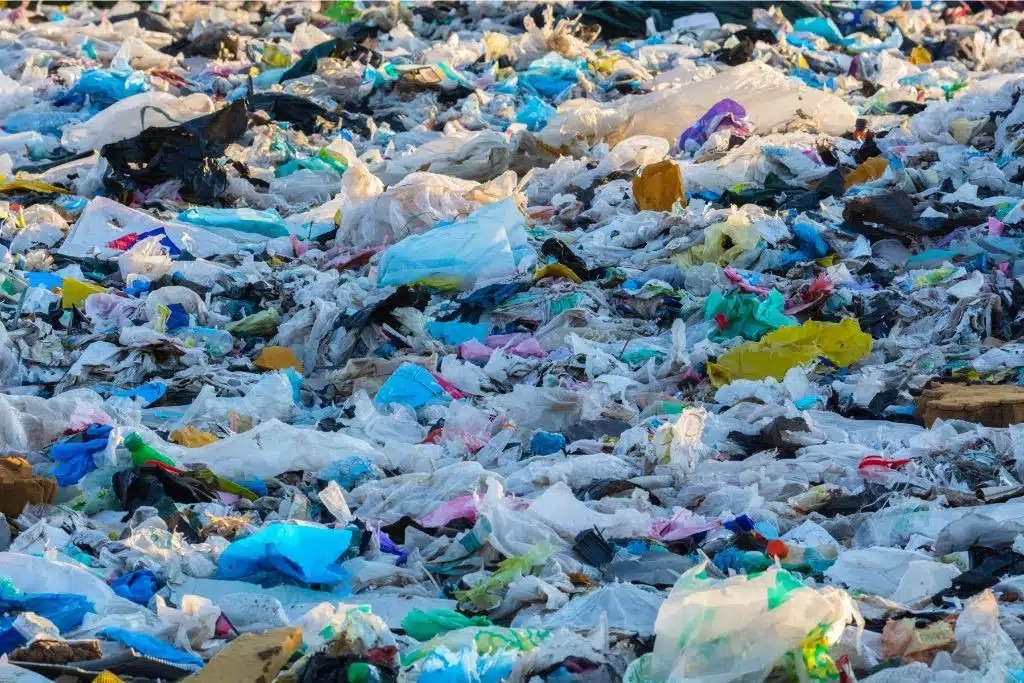
Plastic pollution is one of those problems so enormous that it often feels impossible to solve. Every year, millions of tonnes of plastic packaging are produced, used for only a few minutes, and discarded into landfills, rivers, and oceans where they remain for centuries.
Styrofoam, one of the most common packaging materials for food, is among the worst offenders. It is lightweight, inexpensive, and convenient for businesses, but almost impossible for nature to deal with.
A single Styrofoam tray can remain in the environment for hundreds of years before it finally breaks down.
While governments debate bans and corporations search for greener packaging, a 14-year-old student in Brazil looked at the problem from a completely different perspective.
Instead of asking what new material could replace Styrofoam, Lucas Tadao Sugahara Wernick asked why so much agricultural waste was being thrown away in the first place.
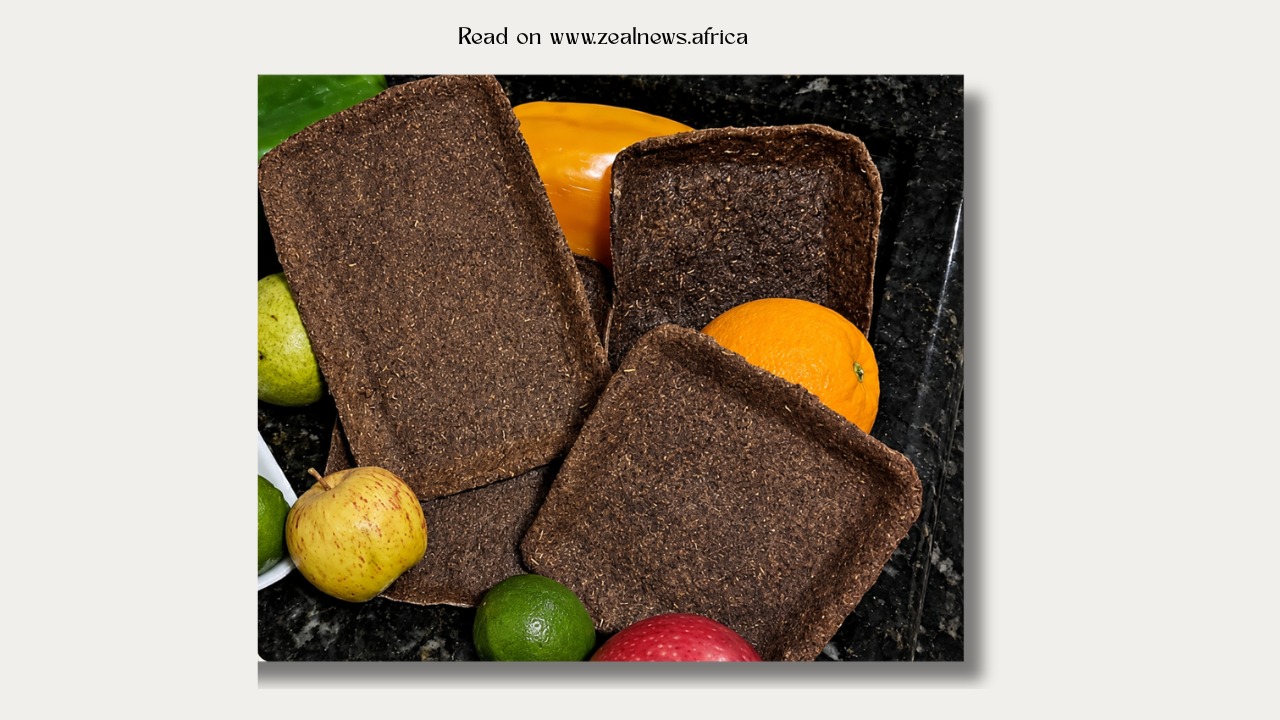
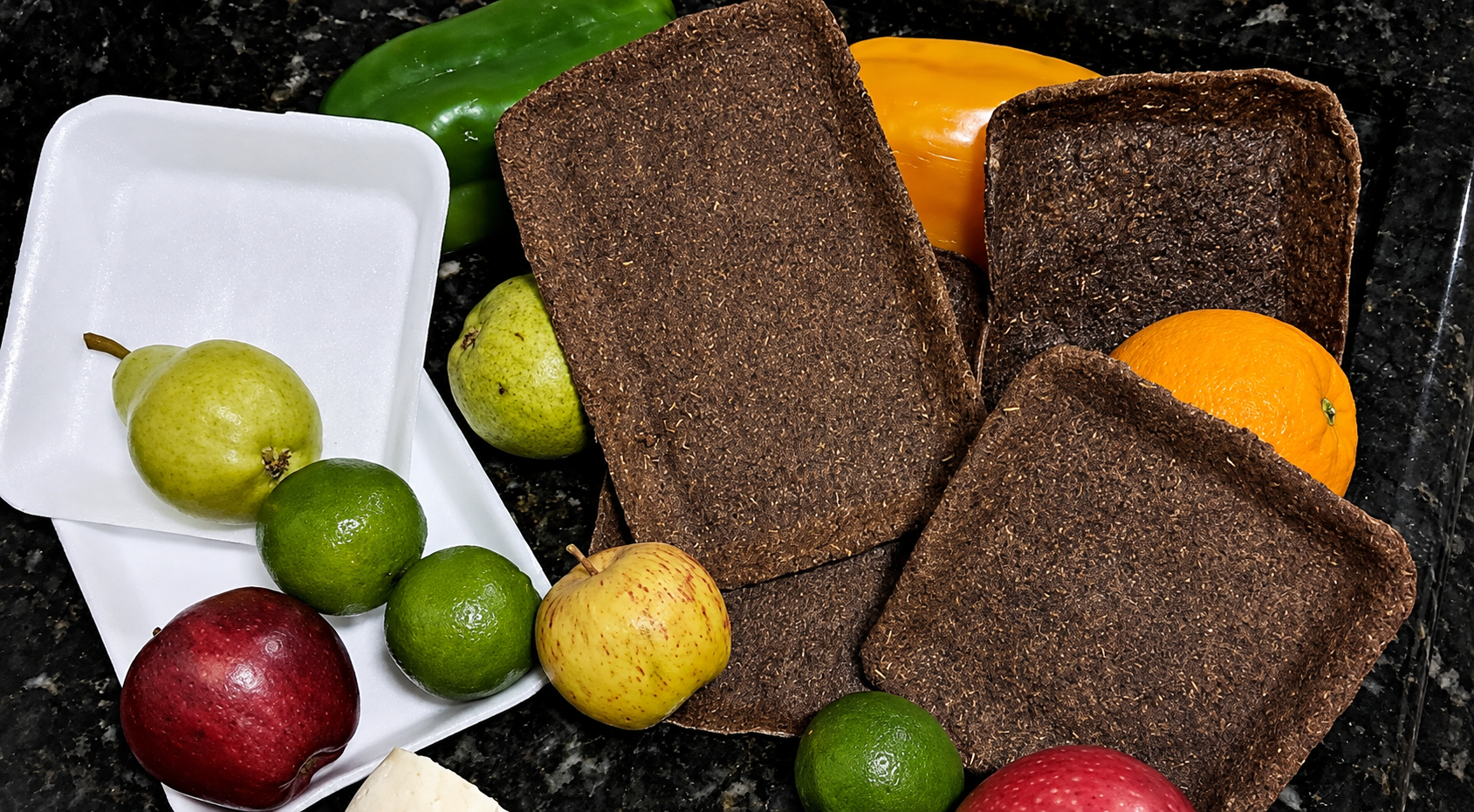
The result was a biodegradable tray made from cassava peels, cooked araucaria tree branches known locally as grimpas, and water.
Built as part of a school science project, the invention transforms two discarded materials into food packaging that decomposes naturally in about a month, offering a simple but powerful alternative to petroleum based foam.
The project has since earned recognition at Brazilian science fairs, not because it relies on advanced technology, but because it demonstrates how everyday waste can become part of a practical environmental solution.
Waste Was the Problem, And Also the Solution.
Lucas, a student at Bom Jesus Centro School in Curitiba, developed the idea during his Scientific Initiation classes, where students are encouraged to investigate real-world problems through research and experimentation.
As he began studying different materials and how they are discarded, he noticed something interesting. Brazil produces enormous amounts of cassava every year, making it one of the country's most important agricultural crops.
Cassava roots are processed into flour, starch, and countless food products, but the peels are often treated as waste. While some are used as animal feed, visits to processing facilities showed Lucas that significant quantities still end up being discarded.
He also discovered another overlooked resource much closer to home.
The Paraná region is famous for the araucaria tree, an iconic species native to southern Brazil. During his research, Lucas learned that dried araucaria branches, known as grimpas, already have industrial uses in plywood manufacturing.
That discovery made him wonder whether the same material could also strengthen biodegradable packaging.
Instead of relying on virgin raw materials, Lucas combined ground cassava peels with cooked araucaria residues and water to create a mouldable mixture.
After repeated testing and refinement, the mixture hardened into lightweight trays capable of serving the same basic purpose as conventional Styrofoam food containers.
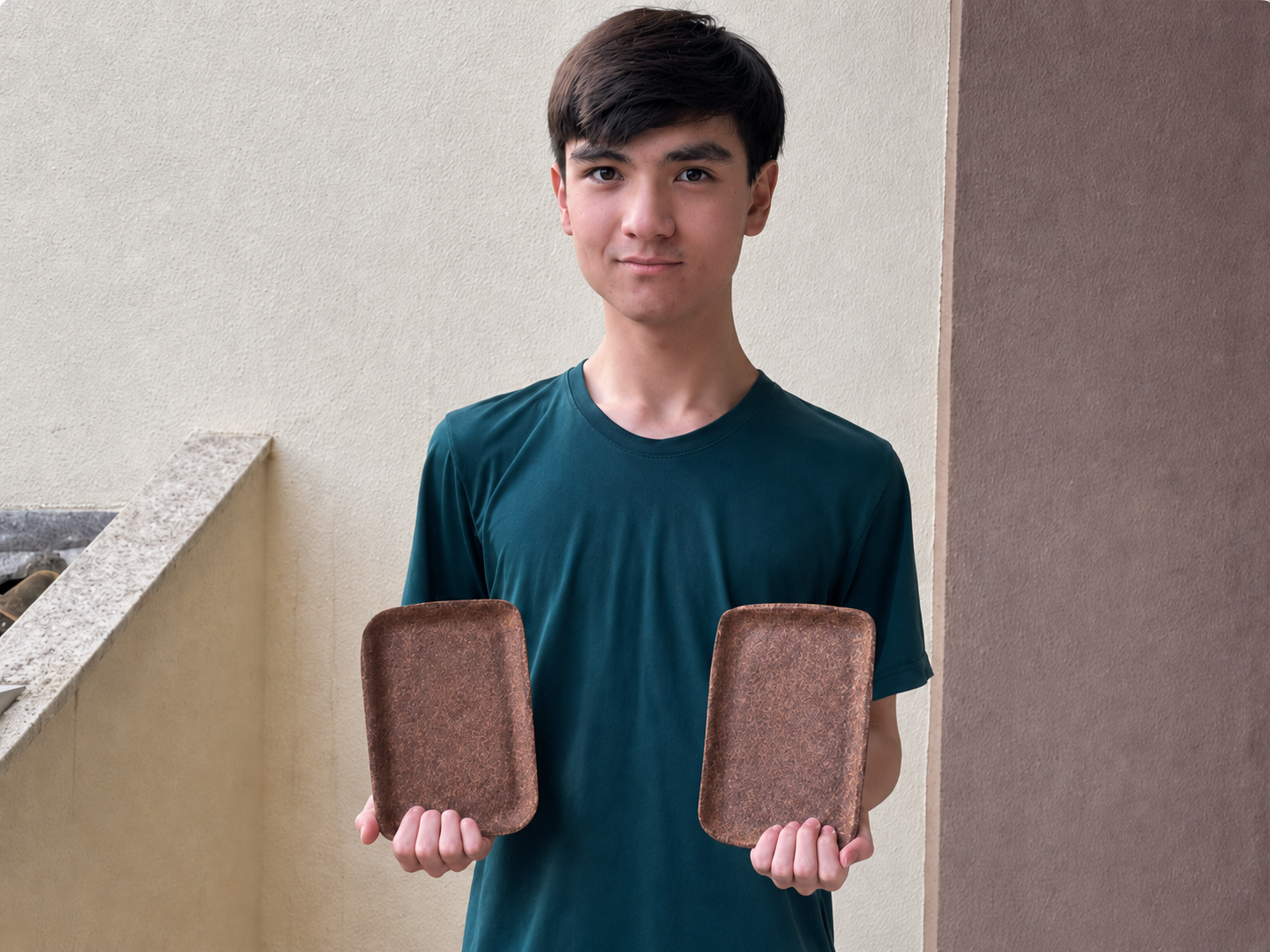
Since beginning the project, he has produced more than thirty biodegradable trays, proving that the concept can be replicated consistently rather than existing as a one off classroom experiment.
A Small School Project With Big Environmental Implications

The significance of Lucas's invention lies not only in what it is made from but also in what it seeks to replace.
Expanded polystyrene, commonly known as Styrofoam, has become one of the world's most widely used packaging materials because it is cheap, lightweight, and resistant to moisture.
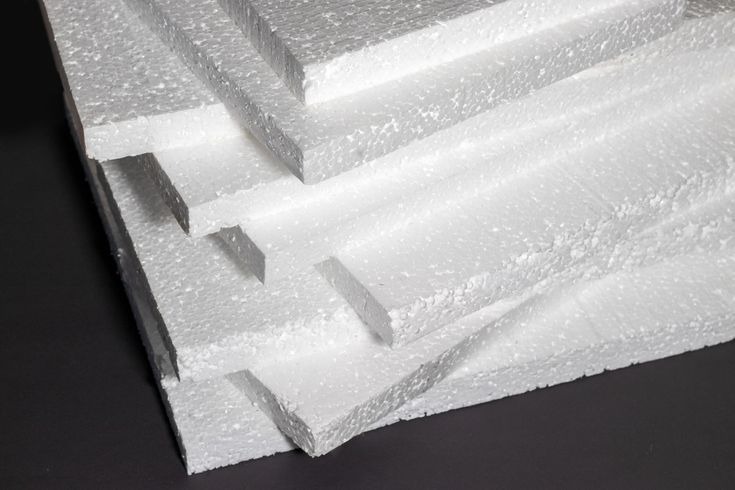
Yet these same properties make it an environmental nightmare. It is extremely difficult to recycle, breaks into tiny fragments that contaminate ecosystems, and can persist in nature for centuries.
Estimates commonly suggest that Styrofoam products may take hundreds of years, sometimes up to 700 years under certain conditions, to fully degrade.
Lucas's biodegradable tray offers a dramatically different lifecycle. Instead of remaining in the environment for generations, it naturally decomposes in roughly one month.
That difference changes the entire environmental equation.
The tray is produced from renewable agricultural residues rather than petroleum-based plastics. It gives discarded cassava peels a second life instead of allowing them to become waste. It also creates another potential use for araucaria residues that already exist within local forestry activities.
This approach reflects one of the central principles of the circular economy, where materials remain in productive use for as long as possible instead of following the traditional pattern of extraction, production, consumption, and disposal.
While Lucas's trays are still experimental rather than commercially manufactured, they demonstrate how local waste streams can be transformed into products with genuine economic and environmental value.
Perhaps most importantly, the project challenges a common misconception about innovation. Environmental breakthroughs do not always emerge from billion-dollar laboratories or multinational corporations.
Sometimes they begin with careful observation, curiosity, and the willingness to question why useful materials are being thrown away.
The Bigger Lesson Isn't the Tray. It's the Mindset Behind It.
Lucas's invention is undoubtedly impressive, but its greatest contribution may be the example it sets for how environmental challenges can be approached.
Across the world, conversations about sustainability often focus on futuristic technologies, massive infrastructure projects, or expensive scientific breakthroughs.
Those innovations are important, but they are not the only path forward. Many environmental problems also require people to rethink the resources that already exist around them.
Agricultural waste is produced in enormous quantities every year across developing and developed countries alike. Much of it is burned, buried, or dumped despite containing fibres, starches, and organic compounds that could be repurposed into packaging, construction materials, biofuels, or other sustainable products.
Lucas's project demonstrates that waste is often a design problem rather than an inevitable outcome.
His work also highlights the importance of giving young people opportunities to explore science through practical research instead of limiting education to textbooks and examinations.
A classroom assignment became an innovation that attracted national attention because it encouraged experimentation with real-world problems rather than theoretical exercises.
Whether Lucas's trays eventually reach large-scale commercial production is almost beside the point. The project has already achieved something significant by proving that meaningful environmental ideas can come from unexpected places and from people far younger than most expect.
At a time when plastic pollution continues to threaten ecosystems across the globe, solutions will not come from a single invention or one groundbreaking technology. They will emerge from thousands of ideas, each solving a different part of the problem.
Some will come from research institutions, some from businesses, and others, like this one, from a teenager who looked at a pile of discarded cassava peels and saw possibility instead of waste.