Masquerades and Meaning: The Disappearing World of African Festivals
African masquerades are fading, once sacred festivals now threatened by modernity, religion, and tourism. Can Africa’s cultural soul survive?
Introduction
Once upon a time, the drums once shook the earth from the African soil.
The air would thrum with rhythm, dust rising beneath the stomping of bare feet, chants echoing into the night, and figures cloaked in ancestral power would glide into the village square. Masquerades were not just performances. They were the ancestors returned, the voice of the spirits embodied in colorful regalia and sacred masks. For centuries, festivals across Africa were the soul of community life, binding generations, keeping history alive, and reminding mortals that the living and the dead were never far apart.
But today, in many towns and cities, those drums are silent. The square is empty. And what was once sacred is at risk of becoming spectacle or vanishing altogether.
The Sacred Roots of Masquerades
In Africa, masquerades have always been more than entertainment. They were spiritual manifestations, serving as mediators between the human and the divine. In Yoruba tradition, the Egungun masquerade represents ancestral spirits returning to bless, warn, or guide the community. Among the Igbo, the Mmanwu appear during harvests, funerals, and rites of passage, cloaked in symbolism that speaks to morality and cosmology.
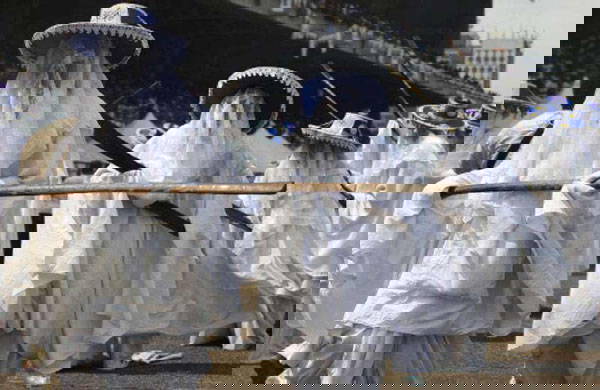
Further west, in Sierra Leone and Liberia, the Poro and Sande societies wield masquerades as instruments of initiation and authority. In Ghana, the Asafo festival carry military and historical memory, while in Benin, masquerades are tied to royal rituals of power.
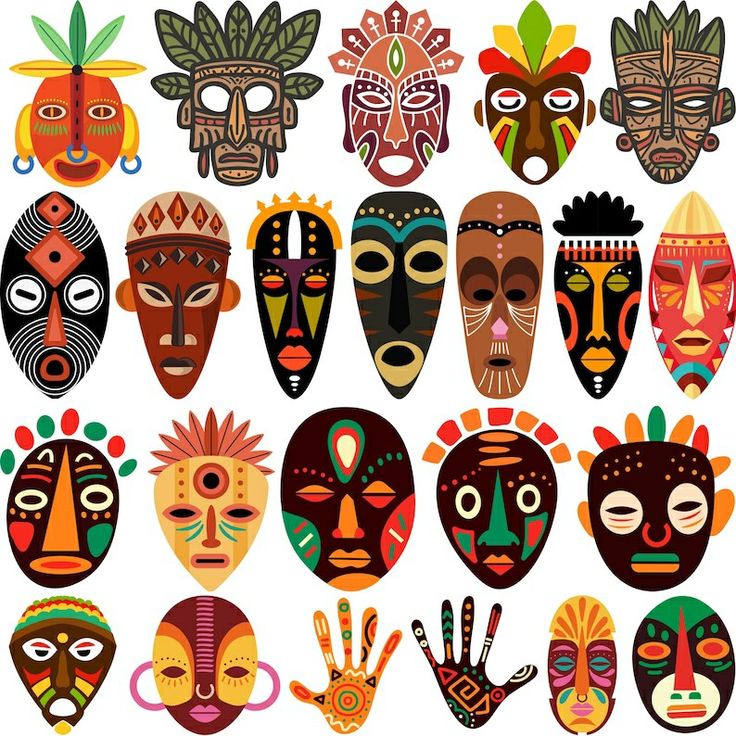
Every mask carries a message. The exaggerated features, the fabrics, the painted colors, they are codes, a language of spirit and society. To watch a masquerade was not to see a man in costume; it was to stand face-to-face with ancestral truth.
A Festival of Identities
Festivals built around masquerades once structured the African year. They marked planting and harvest, honored deities, commemorated wars, celebrated kings, or called for rain. These were not optional amusements, they were the axis of life.
In Calabar, Nigeria, the Ekpe masquerade was once a political force, serving as a judiciary that could enforce community laws. In southern Africa, the Zulu Reed Dance blends masquerade-like regalia with royal ritual, fusing culture, chastity, and politics. Across the continent, festivals meant cohesion: they bound kinship groups, reconciled disputes, and created a rhythm where community life could flourish.
But as generations change, so too do their priorities.
Culture
Read Between the Lines of African Society
Your Gateway to Africa's Untold Cultural Narratives.
Colonial Shadows: Suppression and Control
Colonial powers did not see masquerades as sacred. They saw them as “pagan,” “barbaric,” or dangerous to the Christianizing mission. Missionaries across West Africa condemned masquerades as idolatry. Colonial governments, wary of their power to mobilize and unify people, sometimes banned or restricted them.
The British in Nigeria curtailed festivals that interrupted their taxation schedules. French administrators in West Africa dismissed them as “backward” and attempted to reorient communities toward European holidays. Masks were confiscated, sacred regalia displayed in museums thousands of miles away in London, Paris, and Berlin.
Religious conversion deepened the erosion. Christianity and Islam framed many indigenous festivals as incompatible with new faiths. Over time, whole communities abandoned traditions that once defined them. While everyone might have their different religious beliefs and opinions, it is important to understand that the African soil thrived on this festivals and parades, and maybe what needs to be done is to find a balance in reviving African customs in festivals.

Modernization: The Slow Disappearance
If colonialism wounded African festivals, modernization may be finishing the job. Urbanization has shifted populations away from villages where festivals once thrived. Global media saturates young Africans with TikTok dances and Netflix series, while traditional dances are dismissed as “old-fashioned.”
Commercialization has also transformed meaning. Festivals once rooted in sacred ritual are now staged for tourists, stripped of depth and repackaged for cameras. The Osun-Osogbo Festival in Nigeria, still vibrant and recognized by UNESCO as Intangible Cultural Heritage, faces the paradox of survival through spectacle. Sacred groves become selfie backdrops; ancestral spirits become Instagram content.
Even governments encourage this shift, branding festivals as tools of “cultural tourism” to boost revenue. But what survives is not always authentic, it is performance without essence.
Festivals on the Brink
Across Africa, whispers grow louder: certain masquerades appear less frequently, some vanish altogether. In Ghana, smaller community festivals struggle to attract youth who migrate to cities. In Benin, young men refuse the rigors of initiation required to perform sacred masquerades. In Nigeria, urban churches campaign against what they see as demonic traditions.
What happens when the drums are no longer heard? What is lost when the mask is taken off and never worn again? Not just performance, but entire cosmologies, philosophies, and ways of being.
Culture
Read Between the Lines of African Society
Your Gateway to Africa's Untold Cultural Narratives.
Resistance and Revival
Yet, the story is not only one of disappearance. Across the continent, cultural custodians are fighting back.
UNESCO’s Intangible Heritage program has recognized festivals such as the Osun-Osogbo Festival (Nigeria), the Vimbuza healing dance (Malawi), and the Royal Ballet of Cambodia (with African parallels), seeking to preserve cultural expressions before they vanish.
Photo Credit: Pinterest In Senegal and Mali, artists are reviving masked dances, blending them with contemporary theatre to re-engage younger generations.
The African diaspora, particularly in the Americas, has fueled a renaissance. Afro-Brazilian Carnival traditions carry the spirit of Yoruba masquerades. Caribbean Junkanoo and Jonkonnu festivals bear the echoes of West African masks.
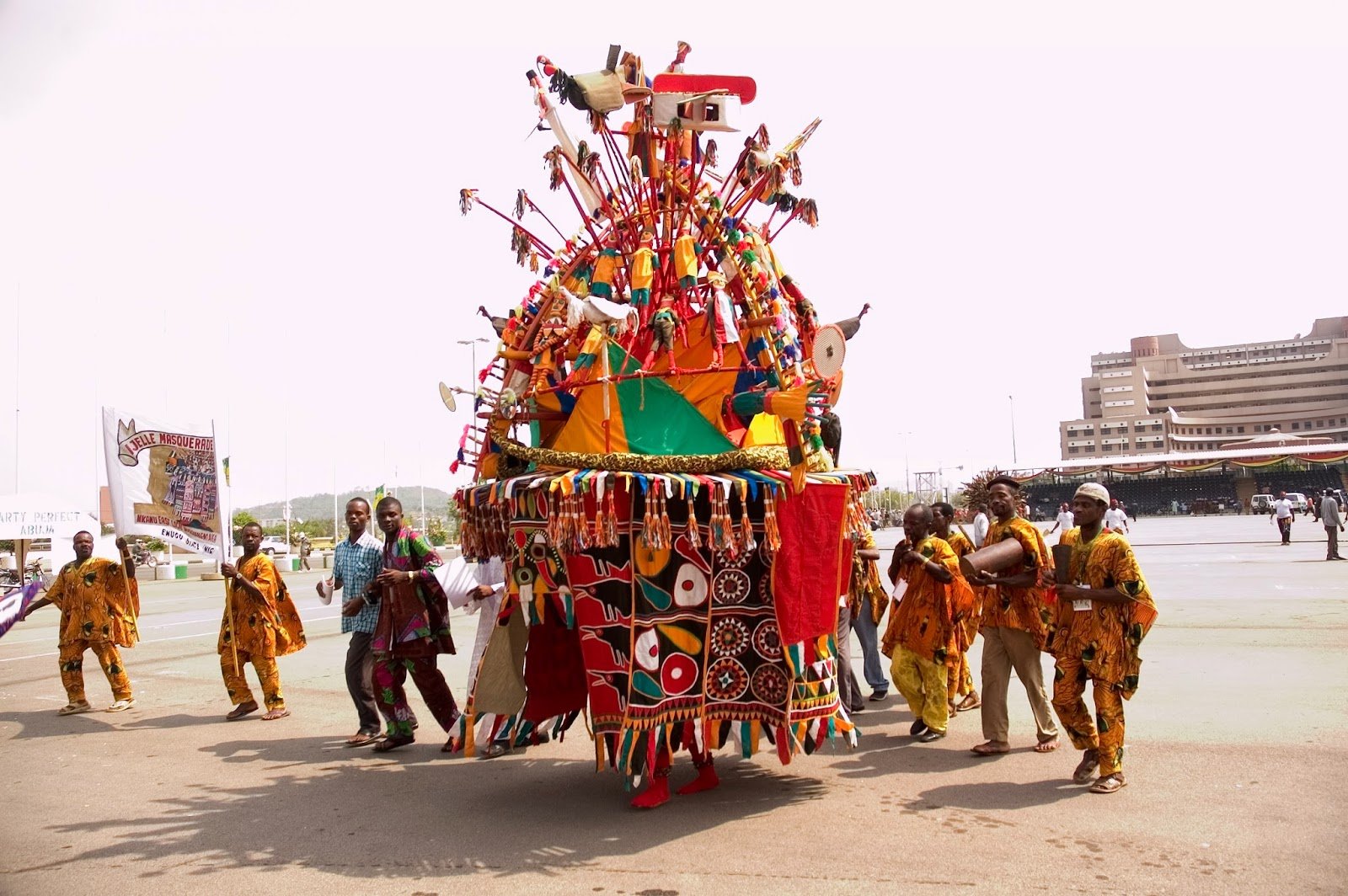
Some communities adapt: festivals are shortened, rebranded, or staged in new formats. Others turn to education, teaching children not only to watch but to understand the spiritual meaning behind the spectacle.
The Double-Edged Sword of Tourism
Cultural tourism provides both lifeline and threat. Festivals attract international attention and economic revenue, but in doing so, they risk commodification. Tourists may see only the performance, not the spirit.
This dilemma haunts African custodians: Is it better to have a watered-down version of culture than none at all? Or does survival through dilution mean losing the very essence of tradition?
The Future of African Festivals
The disappearing world of African masquerades is not inevitable, but the question is urgent. Will festivals remain living traditions passed from parent to child, or will they become museum relics, dusted off once a year for tourists, disconnected from belief?
The answer may lie in balance: adapting enough to survive in modern contexts, while refusing to lose the sacred heart of tradition. As African cities modernize, and as globalization tightens its grip, the fight for festivals is ultimately a fight for memory, identity, and belonging.
Culture
Read Between the Lines of African Society
Your Gateway to Africa's Untold Cultural Narratives.
Conclusion: When the Masks Fall
The masquerade is a paradox: both human and divine, visible and invisible, past and present. To lose it is not only to lose performance, but to lose connection with ancestors, with spirituality, with the sense that life is more than what we see.
In towns where masquerades no longer appear, something lingers, a silence heavier than drums. Elders speak of how the ancestors no longer walk among them, how the spirits are forgotten, how memory itself is fading.
If Africa’s masquerades vanish completely, the loss will not be local. It will be global. A chapter of humanity’s story, about how we dance with the unseen, how we embody memory, how we celebrate life and death together, will be gone.
The question is not whether festivals matter. It is whether we will still recognize their meaning before the last mask is lowered forever.