Maket, The Senegalese Startup Making Money From Clothes People No Longer Want
What if the clothes gathering dust in your wardrobe could become cash? Meet Maket, the Senegalese startup turning unwanted clothes into a growing second-hand fashion business.
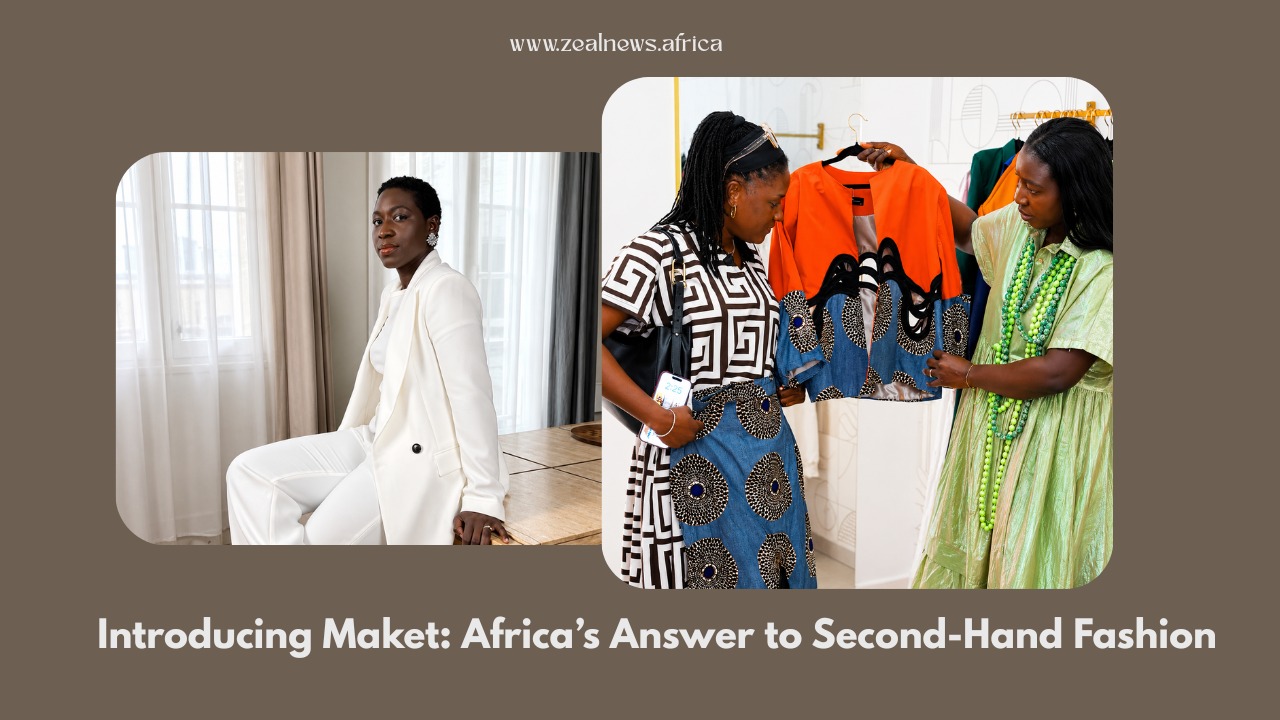
There is probably something in your wardrobe right now that you have not worn in a year. Maybe it is the dress bought for an occasion that never happened, or the shirt that somehow looked better under the shop lights.
In Dakar, Senegal, Fatou Dieng sees those forgotten clothes as inventory. Through Maket, the second-hand fashion marketplace she founded, people can sell clothes they no longer wear to someone who will.
Her idea comes at a time when African markets receive enormous volumes of used clothing from Europe, Asia and North America. Much of it is affordable and wearable, but some arrives damaged, low-quality or close to the end of its useful life.
Dieng believes African wardrobes can supply part of that second-hand market themselves.
A dress bought in Dakar can be sold to another person in Dakar. A jacket sitting unused in Abidjan can find another owner in the same city, while locally made clothes can remain in circulation long after their first buyers stop wearing them.
Maket is trying to make that exchange easy enough to become normal.
Africa Already Has Millions of Clothes Waiting for Another Owner
The continent's second-hand clothing trade is enormous.
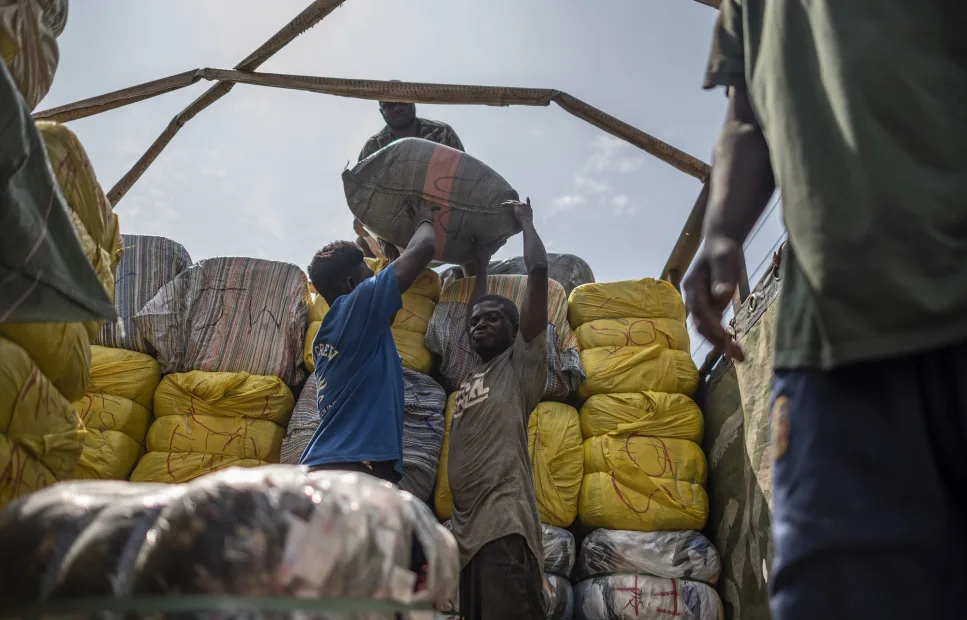
At Ghana's Kantamanto Market, around 1,500 tonnes of second-hand clothing arrive every week. A significant portion becomes waste, while Greenpeace Africa has documented how poor-quality imported fashion contributes to growing textile waste across the continent.
Kenya has faced similar concerns, with hundreds of millions of garments entering the country each year and damaged pieces sometimes ending up dumped or burned.
The trade also provides affordable clothing and supports livelihoods, so replacing it is far more complicated than simply stopping imports. Dieng's approach begins with an overlooked source of supply: clothes Africans have already bought.
Across Dakar are wardrobes containing dresses, shoes, shirts, handbags and accessories that are still usable but rarely worn. Some were expensive purchases, others no longer fit, and many have simply fallen out of favour with their owners.
Without an organised resale system, those clothes can remain untouched for years.
Maket turns them into products again.
A seller gives Maket the clothes she wants to sell. The company collects them, cleans and disinfects them, takes photographs, creates the listings, handles payments and arranges delivery when somebody buys.
That allows one garment to move through several wardrobes instead of reaching the end of its useful life after one owner.
The same system can also keep African-made fashion in circulation. A dress from a Senegalese designer, for example, can be bought, worn, resold and worn again rather than disappearing into the back of a cupboard.
At scale, Dieng believes those transactions can build a stronger local supply of second-hand clothing across African cities.
A Shopping Favour Slowly Became a Marketplace
Dieng did not begin her career in fashion. She spent 13 years working in banking, and in 2017, while still employed full-time, she started helping sisters and friends buy products they struggled to find at home.
People trusted her taste. More requests followed, and what began as a favour developed into a business called Your Personal Shopper, or YPS.

For seven years, Dieng ran YPS alongside her banking career. Some customers eventually spent more than €1,000 on individual orders.
She recruited and trained other personal shoppers, but many clients still preferred dealing directly with her. Her relationships and personal taste had helped YPS grow, yet they also made the company difficult to scale.
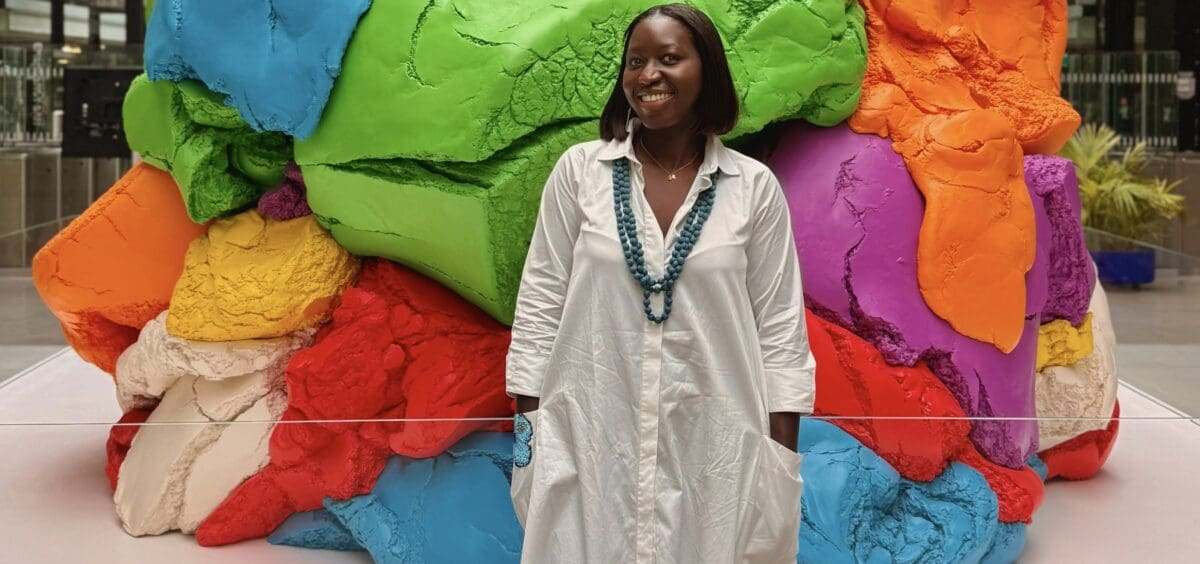
The problem became clearer during the HEC Challenge+ entrepreneurship programme in Dakar, where Dieng began thinking more seriously about building a company that could operate without her involvement in every transaction.
At the same time, customers were asking her for another service.
They wanted help selling clothes they no longer wore.
Dieng had previously treated resale as an extra service attached to YPS. Eventually, she began seeing it as a business of its own.
Maket grew from there.
The first version borrowed ideas from resale platforms such as Vinted, where sellers have profiles and buyers browse their wardrobes. Research with more than 200 potential users showed Dieng that Senegalese customers had different concerns.

She said more than 80% raised questions about privacy or anonymity. Some were uncomfortable with acquaintances knowing they were selling their clothes, while others worried about maraboutage, including beliefs that personal possessions could be used to cause spiritual harm.
Those concerns influenced the design of the platform.
Maket placed itself between the buyer and seller. The two sides do not need to meet, exchange personal details or know each other's identities.
Dieng also found that customers wanted a physical place behind the website, so Maket opened a showroom in Dakar. It gave buyers somewhere to see the business and helped establish trust around a form of shopping that was still unfamiliar to some customers.
From Dakar Wardrobes to a West African Resale Network
Maket takes 25% of every completed sale, while the seller receives 75%. The commission covers collection, cleaning, photography, listings, payment processing and delivery management.
Dieng has kept logistics outside the company, relying on external delivery partners rather than building a fleet of motorcycles or vans.
Since launching in January 2025, Maket has sold more than 700 items across roughly 600 orders, according to Dieng. She says 42% of buyers have returned for another purchase.
Her next markets could include Côte d'Ivoire, Guinea and Benin.
The plan is to build the systems required for the same resale behaviour to work in other cities: easier seller onboarding, reliable payments, predictable delivery costs and processes that do not depend on Dieng personally solving every unusual problem.
If those systems work, wardrobes themselves become part of the supply chain.
Someone in Abidjan who has stopped wearing a dress can place it back into circulation instead of leaving it unused. Someone else buys it for less than the original price, the seller recovers part of what she spent and the garment gets another life.
Thousands of transactions like that could gradually create pools of locally sourced second-hand inventory.
The environmental benefit comes from extending how long clothing remains useful. The commercial opportunity comes from giving owners a reason to sell garments they would otherwise leave untouched.
It also offers another route for African fashion.
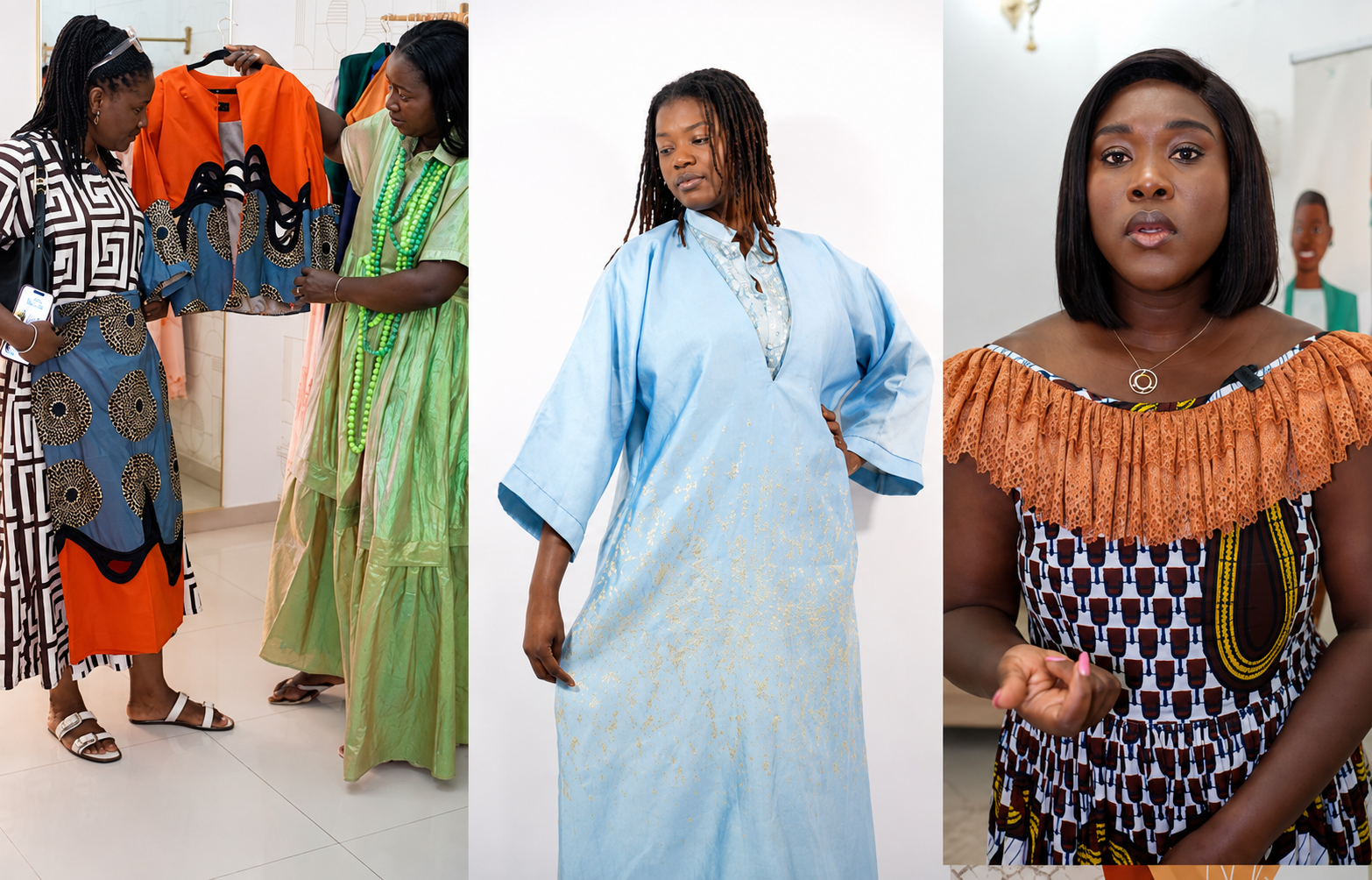
Locally made clothing usually depends on selling new pieces to new customers. A functioning resale market can allow the same garment to generate value through several owners while keeping African designs circulating within local markets.
Dieng once imagined herself working in international development, possibly at the World Bank. Her career instead moved through banking, personal shopping and entrepreneurship, and she has since been selected as an eTrade for Women Advocate.
Maket now connects those experiences in a very practical way.
A large second-hand fashion economy already exists across Africa. Dieng sees room for more of its clothes to come from homes in Dakar, Abidjan, Cotonou, Conakry and other African cities.
For the person staring at a dress that has not left the wardrobe in two years, the proposition is much simpler.
Someone else may still want to wear it.