If You Speak Multiple Languages, Your Brain May Be Ageing Differently
Speaking multiple languages could slow brain ageing by up to 13 years. The way multilingual people think, switch and communicate may reveal a hidden advantage for brain health.
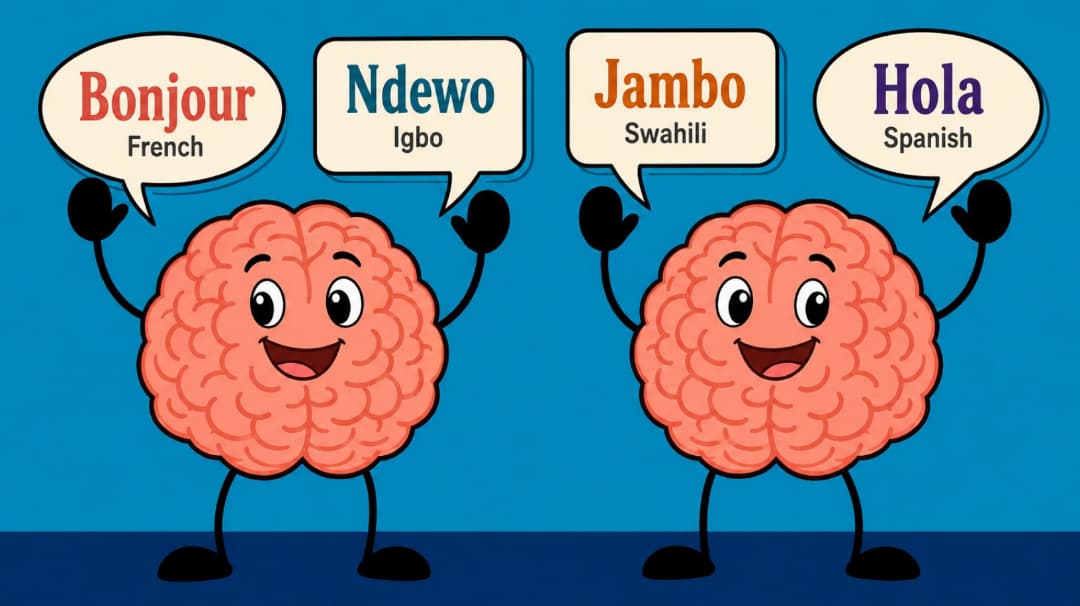
You speak more than one language? It might interest you to know that the way you switch between those languages every day could be doing more than helping you communicate.
It may also be influencing how your brain changes as you get older.
People who speak multiple languages appear to have brains that look younger than their actual age, with the biggest difference seen among those who speak four languages.
People who spoke two languages showed brain patterns that looked about six years younger, while those who spoke three languages showed a difference of around seven years. Among people fluent in four languages, the delay in brain ageing reached approximately 13 years.
That does not mean speaking several languages can stop ageing or reverse the effects of growing older. But it adds to a wider understanding of how the activities we practise throughout life can shape the way our brains age.
Switching languages is a mental exercise
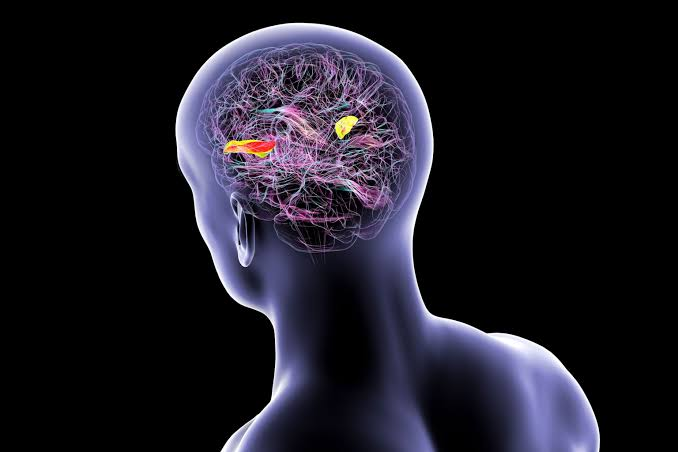
For multilingual people, changing languages often happens without much thought.
Someone may speak Yoruba at home, English at work, and switch to another language when talking with friends or relatives. The change feels natural, but the brain is constantly working in the background.
It has to recognise the language being used, choose the right words, ignore competing options and respond quickly.
That process requires attention, memory and mental flexibility. Repeating these actions over many years may help maintain some of the brain networks involved in communication and thinking.
The effect was not only seen among people who knew more languages.
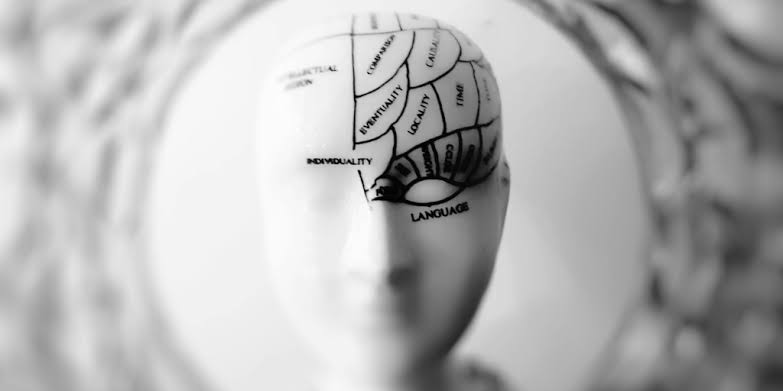
How well someone used those languages also appeared to matter. People with stronger language ability and those who started learning another language earlier in life show a greater association with slower brain ageing.
Knowing languages is different from living with them
Social Insight
Navigate the Rhythms of African Communities
Bold Conversations. Real Impact. True Narratives.
There is a difference between knowing a few words in another language and using multiple languages as part of everyday life.
Someone who has spent decades moving between languages is constantly working with different sounds, structures and meanings.
That daily experience means the brain is repeatedly exposed to new words, sounds and ways of expressing ideas.
Language may be one part of the big picture
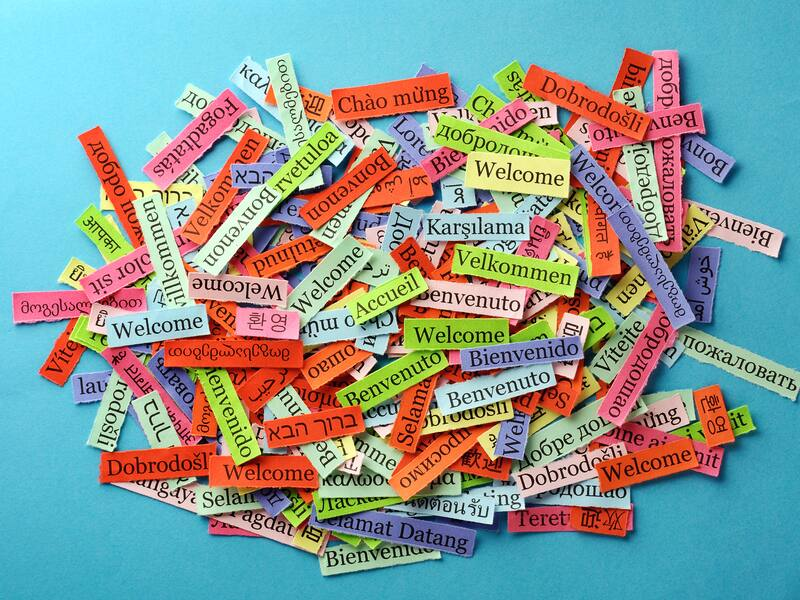
The brain activity behind these differences was measured using magnetoencephalography (MEG), while artificial intelligence was used to compare patterns of brain connectivity across different ages and language abilities.

In a study, there was a larger brain-ageing model involving 728 participants across different age groups and the a separate group of 144 people from the Basque Country was then used to compare language ability, with equal numbers who spoke one, two, three or four languages — a region chosen specifically for its unusually high variation in multilingualism, given the everyday mix of Basque, Spanish, French and English.
Language is definitely part of the explanation, but it is unlikely to be the only factor.
People who speak several languages may also be more likely to read, socialise regularly, travel or continue learning new skills, these are activities that can help keep the brain engaged.

Also, factors such as education, age and lifestyle can also influence how the brain changes over time.
The brain benefits from being challenged. Learning, adapting and regularly using different mental skills may all contribute to keeping it active.
For someone who speaks multiple languages, every conversation involves more than exchanging words.
Years of moving between languages may be one of the many experiences that keeps the brain working through the changes that come with ageing.