If You Don’t Raise Your Kids to Find Their Voice at Home, They Will Never Find Their Voice Out There
If your child is afraid to question you, will they question injustice? Are we raising respectful kids or compliant adults? Read about the hidden costs of silence in African parenting styles.
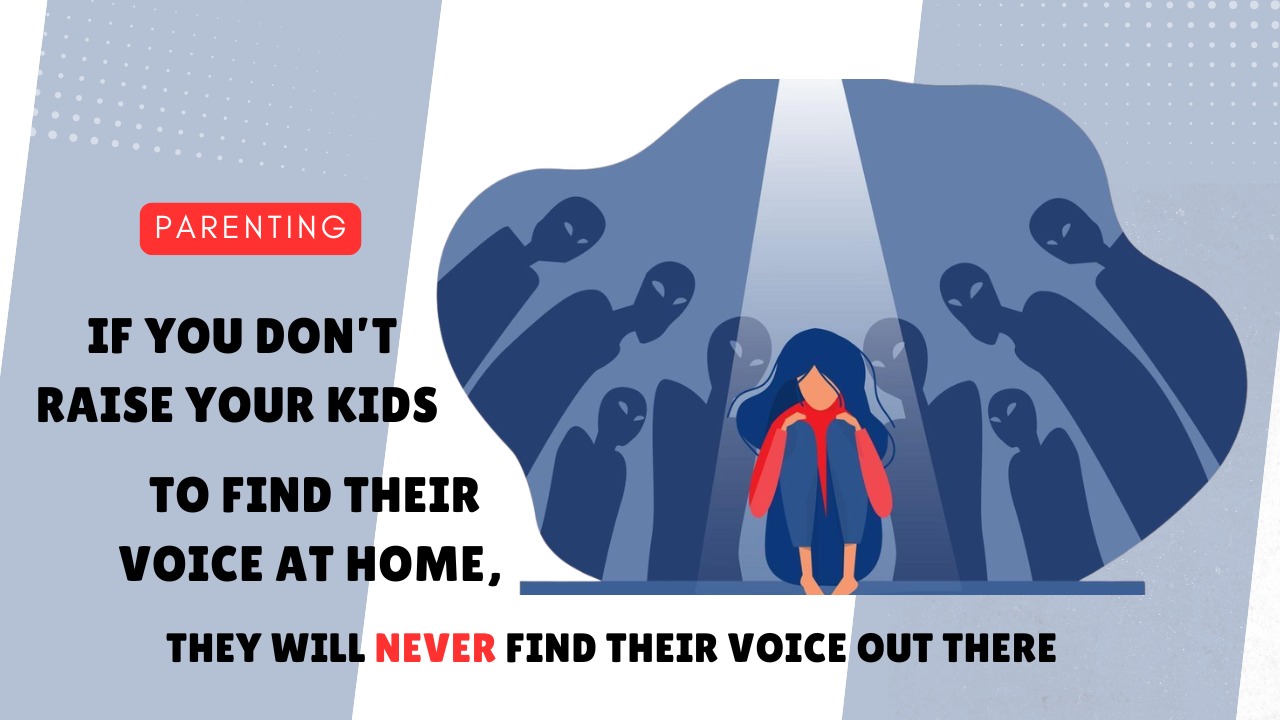
Most African parents are not raising respectful children. They are raising compliant ones, and compliance does not necessarily translate into competence in a world that rewards articulation, negotiation, and intellectual courage.
In many African homes, silence is treated as a virtue. A child who does not question instructions, who swallows disagreement and complies even when something feels wrong, is praised as “well-trained.”
A child asks, “Why?” and suddenly, boom — they’re stubborn. Curiosity becomes a crime, disagreement is seen as an attack, and obedience? That’s survival 101, and exactly what parents call discipline, but that’s just submission packaged nicely.
And let’s be real: submission doesn’t pay bills, doesn’t negotiate salaries, and certainly doesn’t get you anywhere in the “real world.”
The Confusion That Shapes Childhood
The central problem is not discipline; it is the collapse of categories.
Disrespect and challenge are treated as the same act.
Disrespect is contempt. It is an insult and a deliberate violation of boundaries.
Challenge is inquiry. It is an objection, and an intellectual engagement. It is a child saying, “I don’t understand,” or “I see it differently.”
When those two are conflated, children learn that questioning authority is inherently wrong. They are not taught how to disagree properly; they are taught not to disagree at all.
Developmental psychology has long distinguished authoritarian and authoritative parenting styles.
Research consistently shows that authoritarian structures, high control, and low dialogue, produce children who comply externally but struggle with internal confidence and decision-making.
Authoritative parenting, firm boundaries combined with open communication, produces higher self-esteem, stronger problem-solving skills, and better emotional regulation.
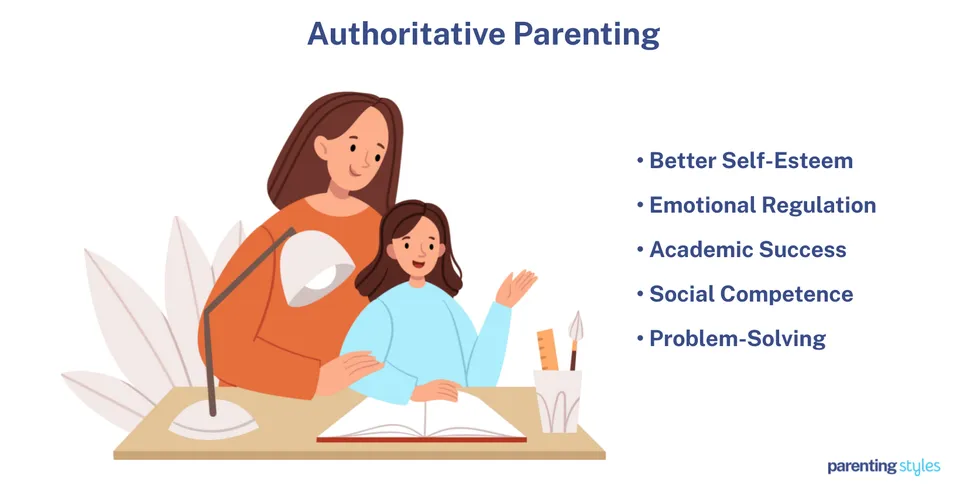
The difference is not softness versus strictness. It is silence versus dialogue.
The Making of a People-Pleaser
A child raised on “because I said so” develops a psychological reflex and has one simple goal in mind; which is to keep authority comfortable.
Do not disrupt.
Do not contradict.
Do not complicate.
That reflex may look like good behavior at home. In adulthood, it becomes chronic people-pleasing.
They become the employee who cannot negotiate salary, the partner who cannot articulate boundaries, and the citizen who cannot question leadership.

They become he friend who quietly stews instead of speaking up when offended, the cousin who never calls out bad advice at family gatherings, and the neighbor who nods along even when someone’s clearly wrong.
They become the passenger who lets every driver cut them off in traffic and the student too scared to answer a question in class, even when they know the answer.

They are not incapable, they are just conditioned.
If the first authority in your life punished disagreement, your nervous system learns that disagreement equals threat. That lesson does not disappear at 18. It follows you into boardrooms, relationships, and institutions.
You cannot train silence for two decades and expect confidence on command. They grow silent with their voice supressed.
And suppressed voices don’t just disappear, they build up, like yeast in flour.
When children aren’t allowed to disagree safely, they never learn how to assert themselves. Instead, they go to extremes.
Some become painfully timid, the kind who won’t even raise a hand in class. Others explode at the smallest challenge, reacting without thinking.

Adults who seem combative or “difficult” didn’t start that way. They were trained to stay quiet… until quiet became unbearable.
Silence in childhood doesn’t produce discipline. It breeds fear, or it breeds fury. And neither one raises leaders.
Respectability Politics Inside the Home
Respectability politics is often discussed in racial and social contexts — the idea that moral behaviour will secure dignity in a prejudiced world. In African homes, it manifests differently but operates similarly.
Children are trained to appear respectful rather than to develop internal conviction.
Sit properly.
Lower your gaze.
Do not speak when elders are talking.
Do not question decisions.
A child who cannot ask “why” at home will struggle to ask “why” in a courtroom, in a lecture hall, or in a corporate strategy meeting.
They can do exactly what they’re told, but the moment someone says, “Try it your way,” they suddenly don’t know what to do, they’ve never been allowed to challenge or think for themselves.
The Home as Rehearsal Space
The family is the first political system a child encounters.
It teaches hierarchy. It teaches power. It teaches consequence.
If the home teaches that power cannot be questioned, the child absorbs that as a universal rule.
If the home teaches that authority can be engaged respectfully, the child learns courage within structure.
Confidence is not an abstract trait. It is practiced. A seven-year-old who is allowed to explain their reasoning is rehearsing future negotiation. A teenager who is allowed to challenge a rule respectfully is rehearsing civic engagement.
By contrast, a child who is silenced is rehearsing invisibility.
And invisibility becomes habit.
The Real Fear
Many parents fear that allowing children to challenge them will erode discipline. But discipline without dialogue produces obedience without understanding.
Understanding is what sustains moral behaviour when surveillance disappears.
A child who complies out of fear behaves only when watched. A child who understands reasoning behaves because they agree with the logic.
If the goal is to raise adults capable of navigating complex societies, then they must practice thinking, not just obeying.
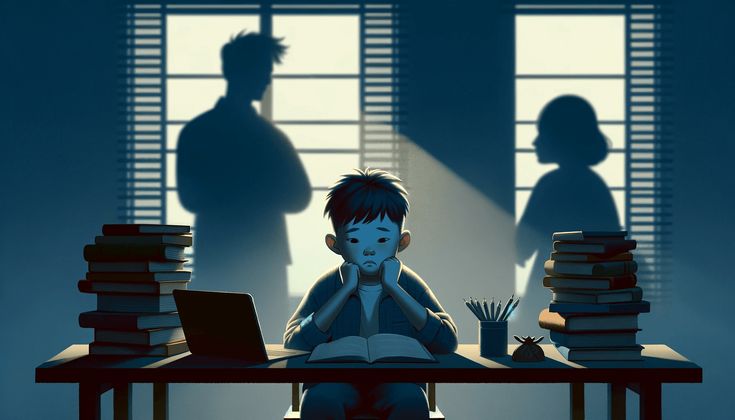
If your child is afraid to question you in the safety of home, what makes you believe they will question injustice in public?
If they cannot express objection without trembling, how will they negotiate a contract, confront corruption, or defend a boundary?
The world outside does not adjust to timid adults. It consumes them.
Silence at home does not produce humility. It produces hesitation.
And hesitation, in competitive environments, is costly.
The Choice
Parents do not need to abandon cultural values. Respect remains essential, and boundaries remain non-negotiable.
But respect must evolve from enforced quietness to structured dialogue.
Children must know:
You cannot insult.
You cannot demean.
You cannot violate boundaries.
But you can ask.
You can disagree.
You can challenge.
It’s okay to not always agree with everything you say; they should be allowed to say their mind too.
If you do not raise your kids to find their voice at home, they will not suddenly discover it outside.
They will either shrink in rooms where courage is required, or erupt in spaces where diplomacy is needed.