If Poverty Were a Crime, Many Would Be Serving Time
Poverty shouldn’t feel like a punishment. This commentary reflects on how ordinary Africans rise above hardship, showing resilience, humour, and hope in the face of everyday struggles.
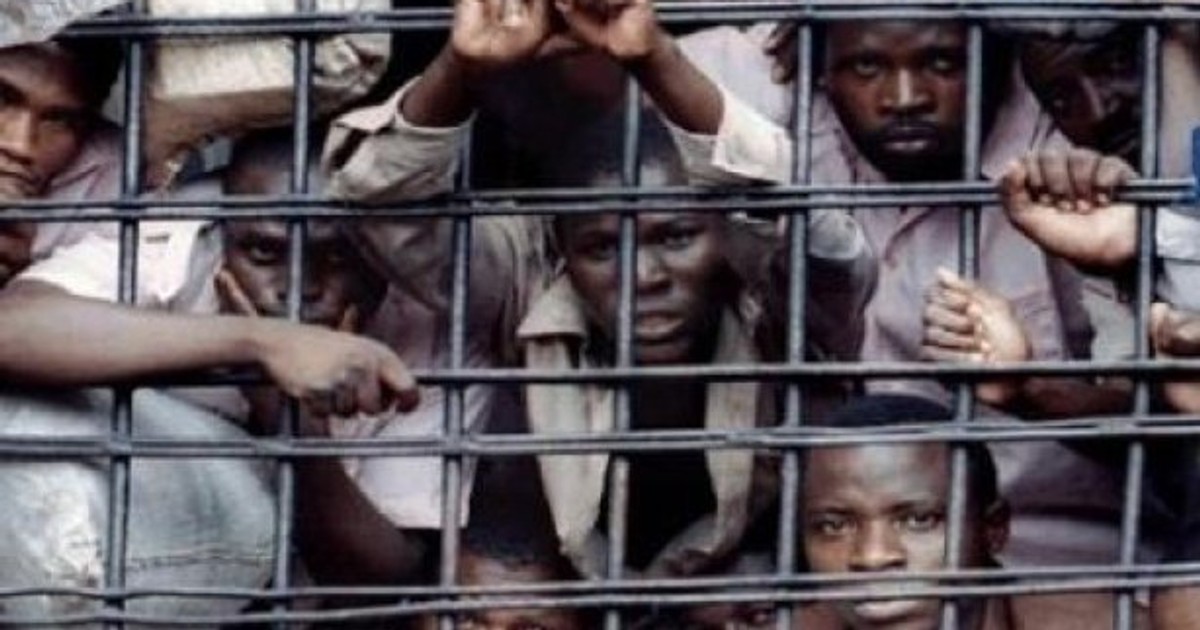
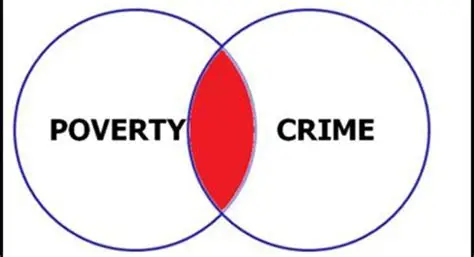
They say nobody chooses to be poor, but in Nigeria, it sure feels like someone has to take the blame. If poverty were an actual crime, then half the country would already be serving time, no trial, no bail, just vibes and suffering. From the roadside trader chased by task force officers to the jobless graduate questioned for owning an iPhone, being poor has become a liability, not just a condition.
Walk through any major Nigerian city; Lagos, Abuja, Port Harcourt and you’ll notice a pattern. The people working the hardest are the ones living the hardest lives. Street vendors pay daily bribes to sell roasted corn, okada riders pay “settlement” to police, and even hawkers running from task force officials risk their lives on highways. The system doesn’t protect the poor; it profits from their struggle.
According to a World Bank report, about 63% of Nigerians roughly 133 million people are multidimensionally poor. Yet, it’s the same people who are constantly penalized by government policies that push them further into hardship.
And when you’re young and broke, you’re automatically suspicious. Police units like the now-defunct SARS built an entire legacy on profiling young Nigerians who look “too fresh” or “too confident.” If you dare to carry a laptop, congratulations, you’ve graduated from unemployed to “Yahoo boy.” In a country where corruption scandals worth billions get buried under political headlines, the youth with an iPhone becomes the villain.
One 24-year-old tech worker told BBC News, “I got arrested because I had a MacBook. They said I didn’t look like someone who should own it. I told them I work in tech; they said that’s what all Yahoo boys say.”
But let’s be honest the hypocrisy runs deeper than police checkpoints. Government officials fly abroad for medical treatment while public hospitals back home don’t even have gloves. Lawmakers drive bulletproof SUVs through communities where people can’t afford transport fare. And when the people complain, the response is either a motivational speech or a prayer.
In 2024, the National Bureau of Statistics reported that the average Nigerian household spends over 50% of its income on food, and that’s when there is income. For the millions surviving on under $2 a day, inflation isn’t just an economic term, it’s an eviction notice from stability.
And yet, being poor doesn’t just make life harder; it makes you a target. The Lagos State Environmental Task Force demolishes informal settlements like Makoko, displacing thousands without compensation, while luxury estates sprout beside the rubble. When protests erupt, they’re dismissed as “miscreants disturbing peace.” The poor can’t even cry loudly, it’s considered noise pollution.
It seems like, “Nigeria’s war on poverty often looks like a war on the poor.”
What makes it worse is how poverty is moralized in public discourse. You hear pastors say, “If you’re still poor, you haven’t prayed enough.” Politicians claim, “We all have the same 24 hours.” Influencers post, “If you’re broke, you’re lazy.” Everyone suddenly forgets that the system is rigged, that minimum wage still sits at ₦30,000 (about $25 monthly), while the cost of rice and fuel skyrockets daily.
Let’s face it: the poor aren’t failing the system, the system is failing the poor. But in Nigeria, it’s easier to blame the victim than to fix the problem.
Meanwhile, the hustle culture has turned into a religion of its own. Every young person is now an “entrepreneur,” even when there’s nothing to sell but hope. TikTok motivational speakers say “you can make it if you believe,” while youth unemployment hovers around 53%, according to Afrobarometer. The only thing growing faster than inflation is delusion.
One Lagos graduate joked online, “In Nigeria, being unemployed is a full-time job.” It went viral because it’s true, everyone’s hustling, but few are actually moving.
If poverty had a face, it would be young. Young people bear the heaviest burden, yet they’re blamed for being “lazy.” Politicians celebrate youth inclusion while appointing 70-year-olds to lead “digital economy” ministries. There’s no better proof that we’re living in satire.


Social Insight
Navigate the Rhythms of African Communities
Bold Conversations. Real Impact. True Narratives.
The result? Desperation. Some turn to cybercrime, some to religion, and others to migration. The “Japa” wave isn’t just about adventure; it’s about survival. Over 70% of Nigerian youths want to leave the country permanently. Because here, your dreams have to pass through customs too.
Even in public spaces, poverty shapes how you’re treated. Step into a bank in slippers, and watch how slowly you get attended to. Try walking into a hotel restaurant without a car key in your hand, you’ll be sized up like a suspect. Class discrimination has become normalized, woven into daily etiquette. Nigerians have learned to measure dignity by appearance and the poor never quite look the part.
Many vendors complain; “People talk to us like we’re dirty. But we’re the ones feeding them.” the words sting because they’re true.
Yet, the most disturbing part isn’t how the rich treat the poor, it’s how the poor have learned to accept it. Poverty has been rebranded as humility, suffering as destiny. We clap when billionaires donate crumbs, forgetting those billions were built on our backs. Philanthropy has replaced justice, and “charity” has become a photo-op.
The government launches empowerment programs that empower no one, while NGOs organize conferences that never reach the communities they claim to represent. In the end, it’s all performance, a social theater where everyone pretends to care until the next hashtag.

Still, Nigerians are nothing if not resilient. Resilience, though, is starting to look suspiciously like endurance. How long can a people “adapt” before adaptation becomes submission?
The late activist Ken Saro-Wiwa once said, “The environment is man’s first right.” Today, many Nigerians are fighting not just for environment but for existence, a right denied by poverty, corruption, and deliberate neglect.
If there’s any comfort, it’s that awareness is growing. Young Nigerians are more informed, more vocal, and less forgiving of hypocrisy. Social media has become a megaphone for frustration, where every new hardship trends in real time. Poverty might silence some, but it has given others a platform.
In the end, poverty in Nigeria isn’t just an economic issue, it’s a political weapon. It keeps people compliant, desperate, and too tired to resist. And that’s the real crime.
Until Nigeria stops treating its poor like suspects and starts treating them like citizens, we’ll keep asking the same question:
If poverty isn’t a crime, why are the poor always the ones punished for surviving it?