If An Omoluabi Were Trending Today, Would We Even Recognise Him?
A reflective social commentary on the Yoruba concept of Omoluabi, exploring how shifting values, influencer culture, and societal change are redefining character and public conduct in modern Nigeria.
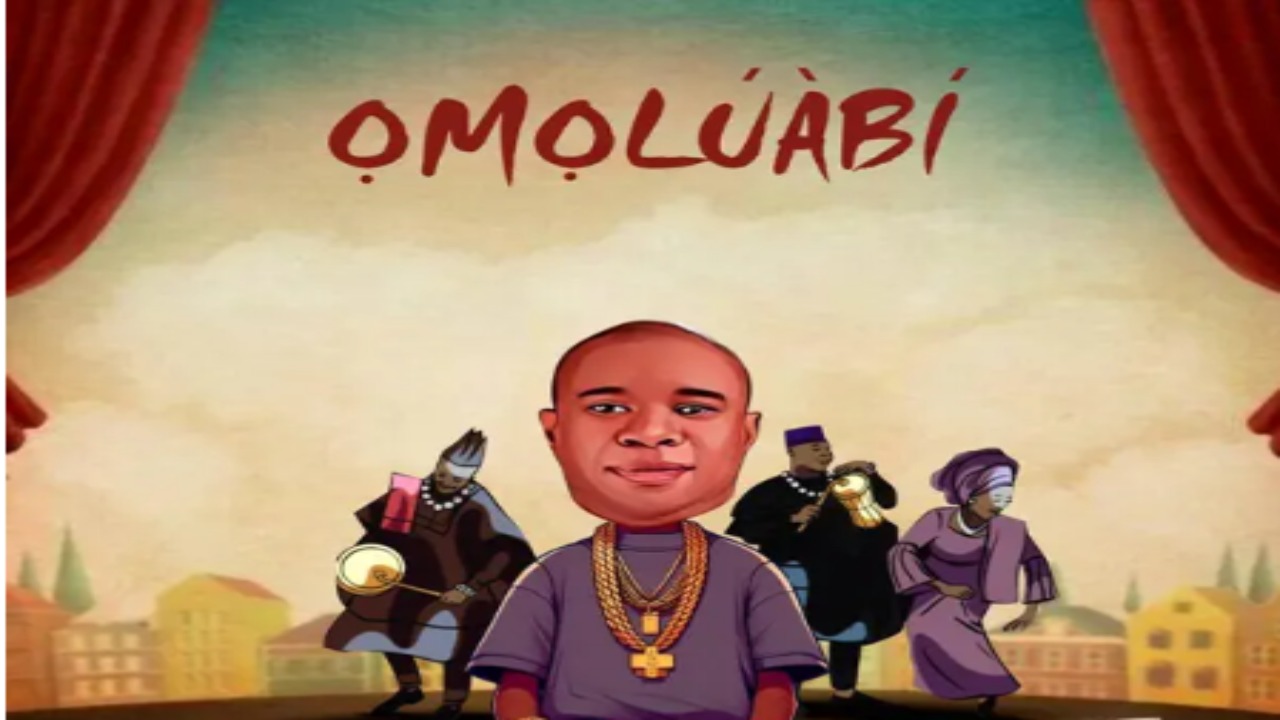
If an Omoluabi walked into a room in today’s Nigeria, would you notice their presence because they would not be loud or announce their entrance.
Because they don't run after fame or popularity they would not trend on X or Instagram. They don't and wouldn't insult strangers for applause or to prove a point and they would definitely not measure their worth in followers or public opinions.
For a young male Omoluabi, he would quietly enter a room. Greet the elders first and intentionally listen more before he speaks. An Omoluabi would correct you without humiliating you and disagree without disrespecting you.
And I often wonder, would we even recognise him? Or do we even recognize someone like this in the street.

Oluwaseun POV:
Growing up, I did not know there were such strong lines between “us” and “them.”
As a child, I could not distinguish us from our Yoruba neighbours. We spoke Yoruba and pidgin the same way.
We played in the same compounds. Although our names were different, my childish mind could not process that this meant different ethnicities. The bonding was strong. There was no competition of identity, no subtle hostility.
On Sundays, returning from church, I remember Iya Elewa, the Yoruba Muslim woman who sold beans down the street, smiling mischievously and asking, “So gbadura fun wa?” (Hope you prayed for us?) Then she would end with “Olorun kan náà la ń sìn” (We worship the same God).
There was no superiority in her tone because of differences in religion. No defensiveness or any form of suspicion, just shared humanity and love.
That, to me, was Omoluabi and that was how I was taught.
Not perfection, not performance. But character expressed through everyday conduct.
In Yoruba philosophy, Omoluabi refers to a person of good character, someone shaped by honesty, integrity, respect, empathy, responsibility, generosity, and restraint.
It is not merely moral behaviour; it is a cultivated identity.
Culture
Read Between the Lines of African Society
Your Gateway to Africa's Untold Cultural Narratives.
The word itself suggests someone molded by discipline and guided by inner virtue.
Parents once invoked it like a compass: “Ranti pé o jẹ ọmọlúàbí.” Remember you are Omoluabi.
It was less about reputation and more about internal order. You did right because it was right, not because cameras were watching or because someone was taking notes of your actions.
When Character Competes With Clout
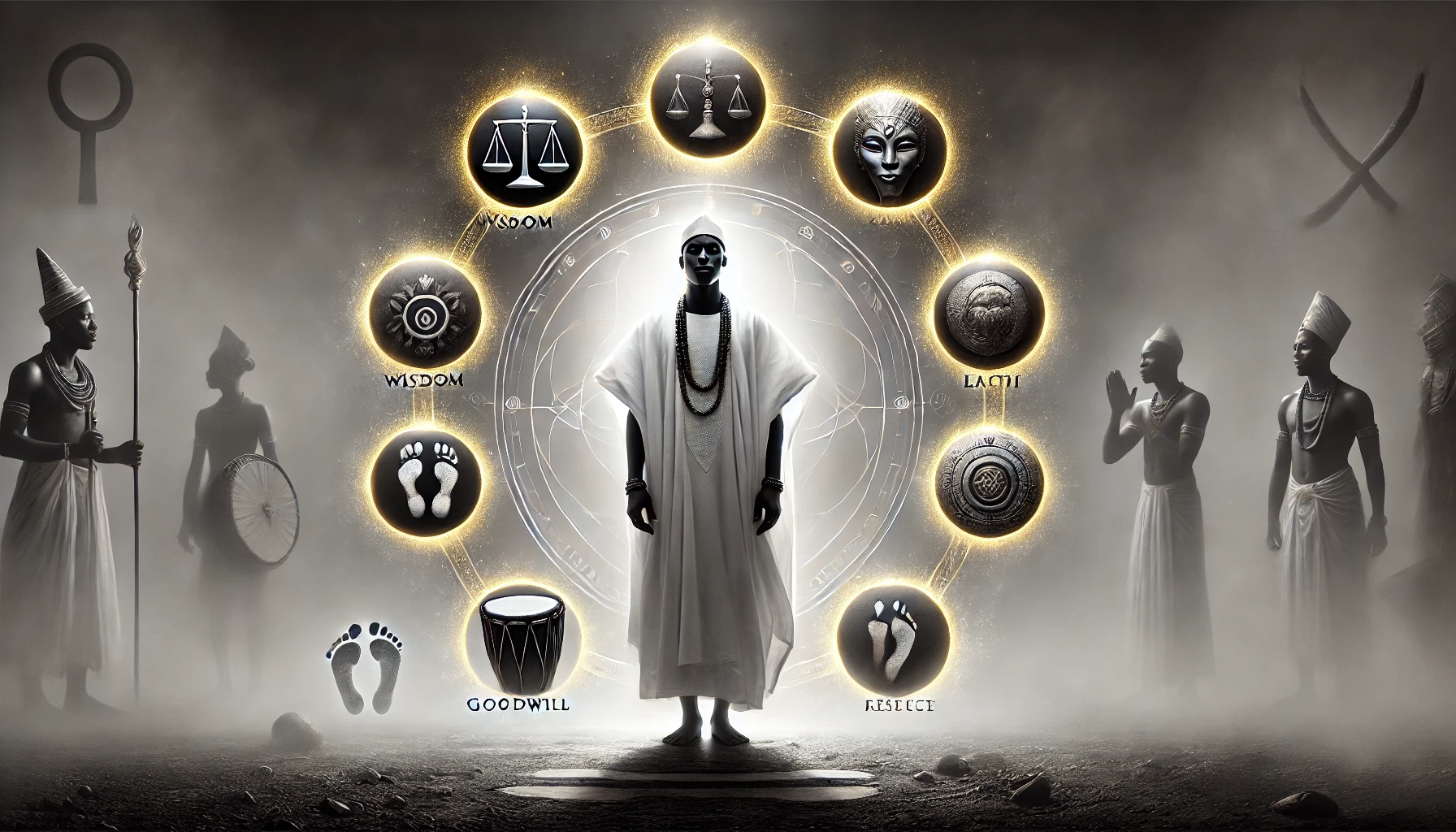
But somewhere along the line in the daily lives of people, something has quite shifted.
We now live in an era where visibility often outweighs virtue. Where outrage is currency. Where being “dragged” is entertainment and cruise. Where public humiliation travels faster than private correction.

And I ask myself: What happens to Omoluabi in a world that rewards noise? What actually happened to that culture.
Because the contrast is very clear.
Omoluabi values restraint. Influencer culture rewards excess.
Omoluabi corrects quietly. The internet corrects violently.
Omoluabi honours community. Algorithms reward individualism.
There was a time when discipline meant self-control. Now discipline is confused with suppression, and boldness is sometimes confused with cruelty.
Look around us.
We beat up suspected thieves on the street before facts are established. We record accidents instead of offering help. We glorify those who “do anything to make it.” We excuse fraud if it benefits “our own.” We silence the weak and amplify the loud.
A society that suppresses the vulnerable, encourages shortcuts, and tolerates bad behaviour eventually internalises those traits. It becomes intolerant,exclusivist and closed.
And closed societies rarely thrive, whether you agree to it or not.
Culture
Read Between the Lines of African Society
Your Gateway to Africa's Untold Cultural Narratives.
Economists have long argued that open, inclusive systems grow faster and sustain progress better than rigid, exclusionary ones. But beyond economic performance, there is something deeper at stake: moral infrastructure.
Omoluabi was a moral infrastructure that was passed down across generations in Yoruba culture.
It was the invisible agreement that respect must be mutual. That strength should protect, not oppress. That disagreement need not destroy the community.
The Omoluabi child was taught that character is beauty — Ìwà l’ẹ̀wà. Your conduct is your adornment and you must protect it by displaying the right attribute.
Today, that adornment has changed or maybe they've misplaced it.
We adorn ourselves with curated lifestyles and borrowed accents. With public virtue signaling. With aesthetic kindness that evaporates when cameras turn off.
I sometimes think about Iya Elewa in Oluwaseun's story again. Her playful question after church did more for religious tolerance than a thousand policy speeches.
That small exchange reflected a society comfortable in difference, confident enough not to be threatened and this is not just to the Yoruba culture alone.
And the big question here is: Can we still say that is happening today?
Or have we become a culture where identity is weaponised, where disagreement becomes hostility, where belonging is conditional?
Have We Outgrown Omoluabi Or Just Forgotten It?

It is tempting to romanticise the past. Every generation believes the previous one was more disciplined. But this is not nostalgia. It is a diagnosis that we must all face.
The concept of Omoluabi placed heavy emphasis on personal conduct. You were accountable not just to yourself, but to your lineage and community. Your actions reflected your home and what you were taught by the people who raised you and spoke highly of their integrity.
Parents and elders deliberately taught these values, not as slogans but as daily practice. The idea around it was simple: a society is only as strong as the character of its individuals.
Now consider where we are.
Culture
Read Between the Lines of African Society
Your Gateway to Africa's Untold Cultural Narratives.
If public space is dominated by aggression, dishonesty, and performative outrage, what does that do to young minds? What lesson are we passing down?
More or less, these actions teach that survival requires sharp elbows. That empathy is weakness, that morality is optional and success justifies method.
And slowly, quietly, the collective standard has shifted over time because of the subtle changes.
The danger is not that Omoluabi has disappeared. The danger is that we no longer reward him.
If he refuses to insult online, he is called boring.
If she refuses to retaliate publicly, she is called weak.
If someone insists on integrity in a corrupt environment, they are called naïve
Now pause for a moment and think about this.
What does it do to a society when its most disciplined members are mocked, and its most reckless are amplified?

We must ask ourselves whether we have mistaken confidence for arrogance, boldness for disrespect, and authenticity for aggression.
Omoluabi was never about silence in the face of injustice. It was about measured courage. It was about speaking firmly without losing dignity. It was about strength anchored in character, not ego.
Perhaps the question is not whether Omoluabi can survive modernity.
Perhaps the real question is whether modernity can survive without him.
Because a society where people beat up the weak, excuse harmful behaviour, and close themselves off from difference will eventually reflect that decay in every sphere, political, economic, and social.
Culture
Read Between the Lines of African Society
Your Gateway to Africa's Untold Cultural Narratives.
Inclusive societies grow because trust exists, trust grows because character exists and character exists because values are cultivated.
If we abandon the cultivation of character, what are we building instead
Conclusion: Recognising Omoluabi Again
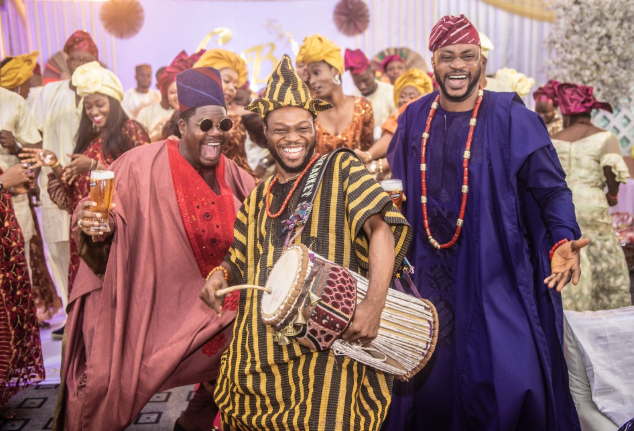
Again i ’m asking
If Omoluabi were trending today, would we recognise him?
Or would we scroll past him in search of something louder?
The future of our society may not depend on viral moments, trending hashtags or new behaviors.
It may depend on whether we can revive quiet virtues, respect without fear, discipline without cruelty, courage without arrogance, unity without uniformity.
Oluwaseun will always remember a childhood where there was no “us versus them.” Where a Muslim beans seller and a Christian child could share jokes about prayer without tension. Where character mattered more than visibility.
That memory is not fantasy, it is evidence that some social relationships are possible.
I don't think Omoluabi is extinct, maybe it is simply now unfashionable for many.
Culture
Read Between the Lines of African Society
Your Gateway to Africa's Untold Cultural Narratives.
The real work is not to trend what Omoluabi means. It is to embody the whole concept again.
Because if we fail to recognise character when we see it, we may wake up one day in a society full of influence, but empty of integrity.
And that would be the hardest loss of all.