How Superhero Movies Evolved from Niche Adaptations to Box Office Giants
Superhero films began as early comic book adaptations, with icons like Superman and Batman appearing on screen in simple, campy serials shaped by limited technology.
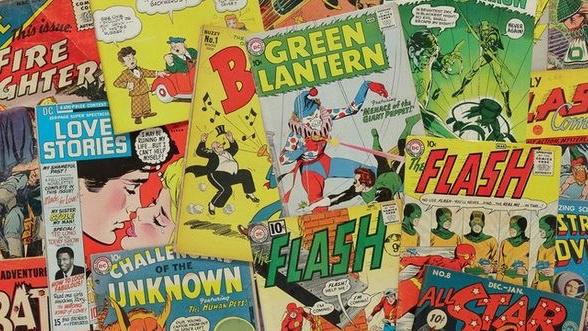
Superheroes have been part of my life for as long as I can remember. They’ve grown with me, from the comic books I read as a child to the blockbuster movies that now dominate our screens.
What started as simple stories has become something deeply woven into my life.
It has become an undeniable part of today’s world, and I’m here to explore how comic book storytelling evolved into the blockbuster films that now dominate global entertainment.
Superheroes were born in comic books during thelate 1930s, when characters likeSupermanandBatmanoffered hope during uncertain times.
Their stories werebold, dramatic, and morally clearwhile heroes saved the day, villains were defeated, and justice always triumphed.
Early film adaptations in the 1940s were simple serials shown before main features in cinemas.
They relied on basic special effects and cliffhanger endings to keep audiences returning each week.
The storytelling was straightforward, but the idea was powerful: ordinary people could become extraordinary.
The first major cinematic breakthrough came withSuperman (1978).For the first time, audiences truly believed a man could fly.
The film proved that superhero stories could be taken seriously through emotionally and visually,and it opened the door to something much larger.
Because it grossed more than$300 million worldwide,a figure that wouldexceed $1 billiontoday when adjusted for inflation and the film became a true international box office phenomenon.
The Franchise Era and the Rise of the Cinematic Universe
In the early 2000s, a revolutionwas quietly brewing in Hollywood. Comic book adaptations were no longer just niche films; they were about to explode into a cultural phenomenon that would redefine blockbuster cinema.
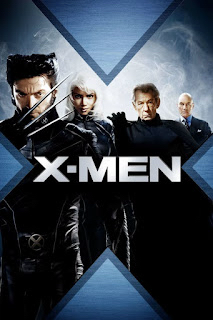
X-Men (2000)introduced grounded themes of prejudice and identity, whileSpider-Man (2002)showed that superhero films could be both emotionally resonant and commercially massive.
Itbecame an instant classic and grossed over$400 million domestically alone.
But it wasn’t all smooth sailing during thisdecade filled with heroics; there were missteps too.
Films like'Daredevil' (2003)struggled to find their footing despite having strong source material, a reminder that not every adaptation could capture lightning in a bottle twice.
In 2008, the world was introduced to a new kind of superhero filmthat would change the landscape of cinema forever.
It wasn’t just another comic book adaptation; it wasIron Man,directed byJon Favreauand starringRobert Downey Jr. as Tony Stark,a billionaire industrialist who transforms from an arms dealer into a hero after being captured by terrorists.

It wasquietly launched into what would become theMarvel Cinematic Universe.
Instead of standalone stories, studios began buildinginterconnected worlds.
Characters crossed into each other’s films and post-credit scenes teased future storylines.
Audiences weren’t just watching movies, they were following an ongoing saga.
Superhero films became cultural events, which led tomidnight premieres, global fan theories, cosplay, and billion-dollar box office records turned the genre into a shared global experience.
These films weren’t niche anymore; they were the center ofmainstream cinema
More Than Spectacle: Cultural Power and Changing Narratives
As the genre matured, so did its storytelling. Superhero films began reflecting real-world issuessuch asidentity, power, responsibility, inequality, trauma, and belonging.
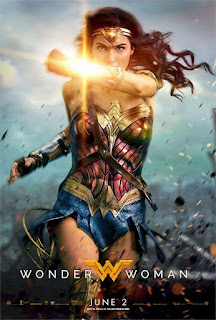
Wonder Woman (2017)redefined female heroism for a new generation. It had already made amajor impact by proving that a female-led superhero film could be both critically successful and commercially powerful.
It helped open doors for more inclusive storytelling in the superhero genre.
Then in 2018,Black Pantherexpanded that progress even further.
Black Panther (2018) wasn’t just a box office success;it became a cultural milestone, celebrating African heritage, identity and representation in a way rarely seen in blockbuster cinema.
Financially speaking,‘Black Panther’shattered box office records too—becoming one of Marvel’s highest-grossing films ever whileearning critical acclaim across various award circuits including three Academy Awards wins!
Its success paved pathways for future projects focusing on diversity both behind-the-scenes and onscreen—a legacy we continue to witness unfold even now years later.
The genre expanded emotionally as well. Heroes becameflawed, vulnerable, and morally complex.
The line between hero and villain blurred.
Audiences no longer wanted perfect saviors, they wanted characters who felt human.
Technology also pushed the boundaries withadvanced CGI, motion capture, and immersive sound designtransformed what was visually possible.
Entire universes could now exist convincingly on screen.
Conclusion
Superhero films have traveled an incredible distance;from stapled comic pages passed between friends to billion-dollar global spectacles that shut down cities for premieres and spark worldwide debates online.
What once relied on hand-drawn panels and practical effects now unfolds through vast digital universes, motion capture, and interconnected storylines that span years.
The scale has changed. Technology has transformed. The audiences have grown.
Yet at their core, the promise remains the same:that courage matters, that sacrifice means something, and that even in chaos, hope survives.
Whether it’s a lone hero standing against impossible odds or a team learning to trust one another, these stories continue to mirror our own struggls; fear, responsibility, identity, belonging.
And maybe that’s why they’ve stayed with me all these years. They didn’t just evolve as films; they matured as I did.
The lessons felt different at seven than they do now. Back then, it was about powers and costumes. Now, it’s aboutresilience, accountability, and the weight of choices.
Superhero films didn’t simply grow bigger. They grew deeperand in many ways, they grew alongside us