How One Doctor Stood Between Ebola and Lagos: The Story of Stella Adadevoh
Dr Stella Adadevoh helped Nigeria contain Ebola in 2014. Her courage, clinical judgement and legacy offer urgent lessons as Congo battles a deadly outbreak.
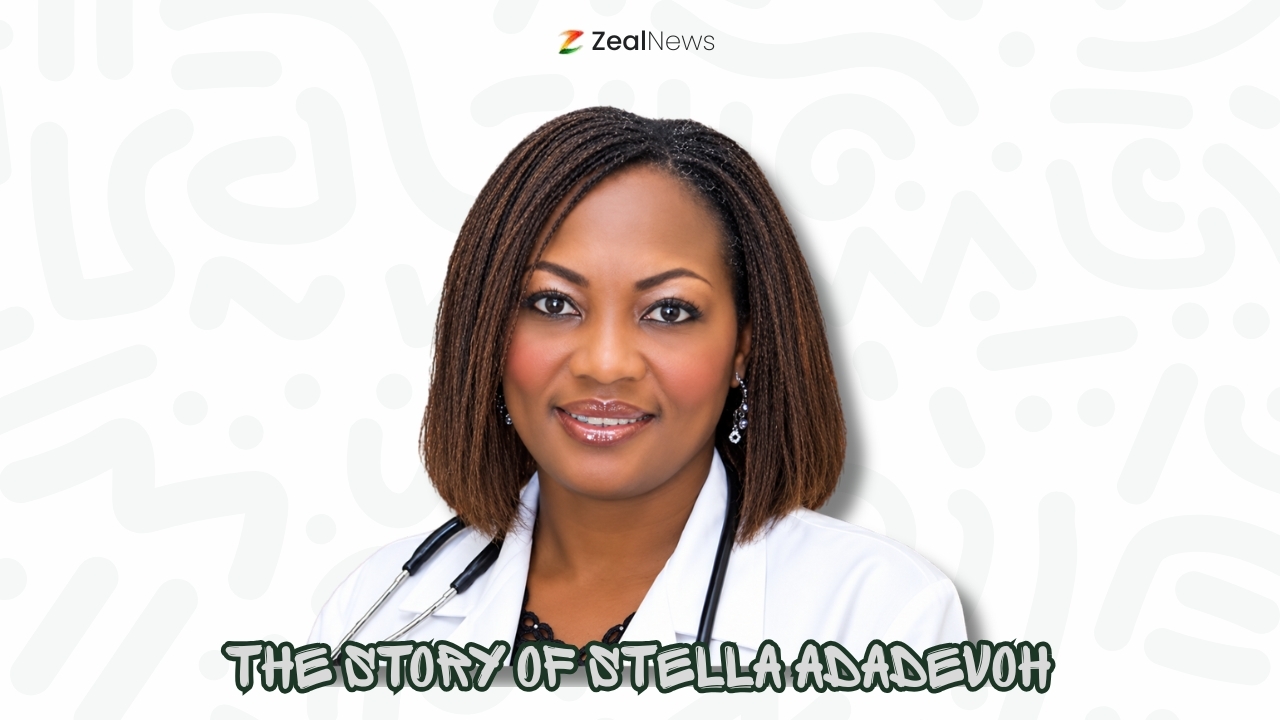
In July 2014, an Ebola outbreak happened in Lagos, a city where millions of people share buses, offices, markets, hospitals, and hurried journeys home. The virus had already devastated communities in Guinea, Liberia, and Sierra Leone, and Nigeria had reason to fear what could happen if it spread through its most populous city.
At First Consultant Hospital, one doctor suspected that a patient who had initially been assessed for malaria might be carrying something far more dangerous. Her name was Dr Ameyo Stella Adadevoh. What followed would become one of the most consequential decisions in Nigeria’s public health history.
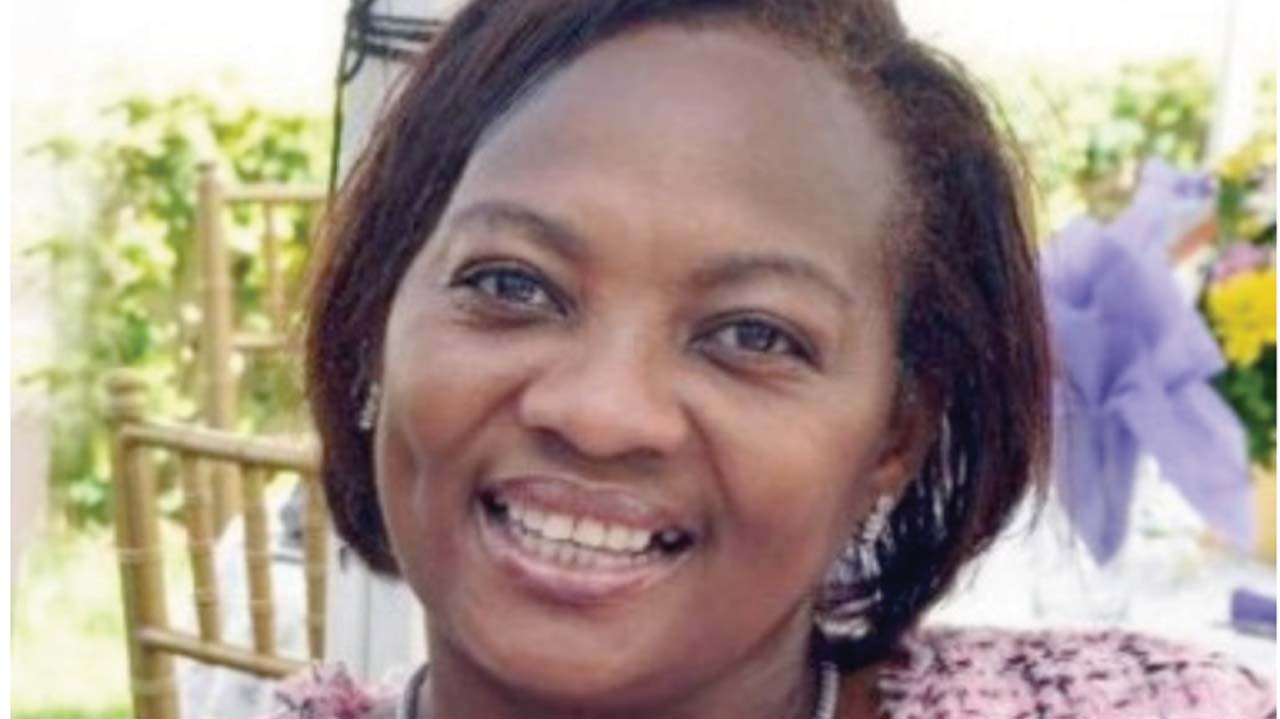
Adadevoh was born in Lagos in October 1956 and came from a family with deep roots in Nigeria’s history. She was a descendant of Herbert Macaulay and a grand-niece of Nnamdi Azikiwe, but her own legacy would be built through medicine. She studied at the University of Lagos, completed her clinical training, and later specialised in endocrinology, including further training in London.
She spent more than two decades practising at First Consultant Medical Centre, where she became lead consultant physician and endocrinologist. Colleagues knew her as an experienced doctor; in 2014, her clinical judgement would be tested under extraordinary pressure.
The Decision That Changed Nigeria’s Ebola Story
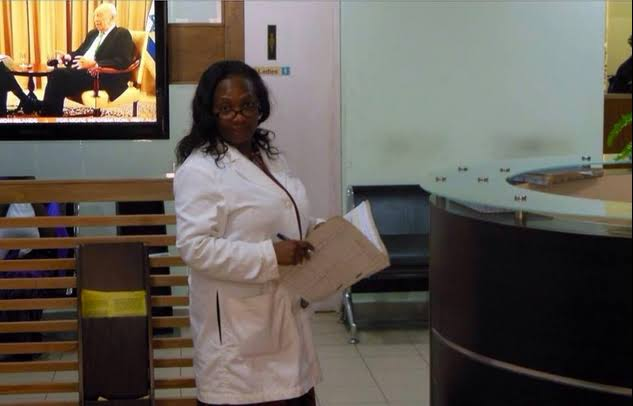
On July 20, 2014, Patrick Sawyer, a Liberian-American government official who had travelled from Liberia, arrived in Lagos while ill. His sister had died from Ebola, and he had been exposed to the disease. At First Consultant Hospital, Adadevoh questioned the initial malaria assessment and suspected Ebola. She pushed for testing and alerted the relevant authorities, even as Sawyer and Liberian officials pressed for his release so he could attend a meeting.
The pressure was not merely professional. Accounts of the incident describe threats of legal action and demands that the patient be discharged. Adadevoh refused. She understood that the decision was no longer only about one patient’s wishes; releasing someone suspected of carrying a highly contagious virus could put hospital staff and the wider public at risk. She insisted that he remain isolated while the necessary investigations proceeded. The diagnosis was confirmed on July 23.
The danger was real. Healthcare workers who had contact with Sawyer became infected, and the virus also reached Port Harcourt through another contact. Yet Nigeria’s response expanded quickly. Authorities established an emergency operations centre, isolated suspected cases and mobilised public health teams to identify and monitor contacts. The country drew on expertise and systems developed through its polio-eradication work, using detailed contact tracing and public information campaigns to interrupt transmission.
The outbreak ended with 19 confirmed cases, with one probable case also confirmed and seven deaths, according to the World Health Organization’s account of Nigeria’s response. On October 20, 2014, the WHO declared Nigeria free of Ebola transmission. Adadevoh did not live to see that announcement. She contracted the virus while treating Sawyer and died on August 19, 2014, alongside other healthcare workers who had been infected.
Her intervention was crucial, but Nigeria’s eventual success also depended on the coordinated work of epidemiologists, laboratory staff, government responders, hospital workers and the people who cooperated with contact tracing.
What Her Story Should Remind Us
The story has renewed urgency. On October 13, 2026, Reuters reported that the Democratic Republic of the Congo had recorded more than 9,000 confirmed Ebola cases and 4,381 deaths in its current outbreak, driven by the Bundibugyo virus strain.
Unlike some other Ebola strains, this one has no approved vaccine or specific treatment. The outbreak is unfolding amid difficult conditions, including insecurity, population movement and challenges in tracing contacts.
Adadevoh’s story is not a call to romanticise sacrifice or expect individual doctors to compensate for weak health systems. It is a reminder that early suspicion, professional courage, isolation, accurate information and coordinated public health action can determine whether an imported infection becomes a wider disaster. Her refusal to release Sawyer bought time for the response to begin.
We remember her not simply because she died, but because she made a difficult decision when the easier one was to give in. Lagos was spared a much larger outbreak through the work of many people, but Adadevoh’s judgement helped set that response in motion. Her legacy asks a question that remains relevant wherever an outbreak emerges: when public safety depends on someone taking a stand, will the systems around them support the decision.