How African Trade Routes Connected the Continent to the World
From camel caravans across the Sahara to ships crossing the Indian Ocean, Africa’s ancient trade routes carried more than goods—they connected people, cultures and ideas, leaving a legacy that still shapes the continent today.
Sometimes people wonder how African trade routes came into place or who created it that leads to the exportation and importation of trade that exist today. This is where the discussion begins where I explain how it started and what became of it.
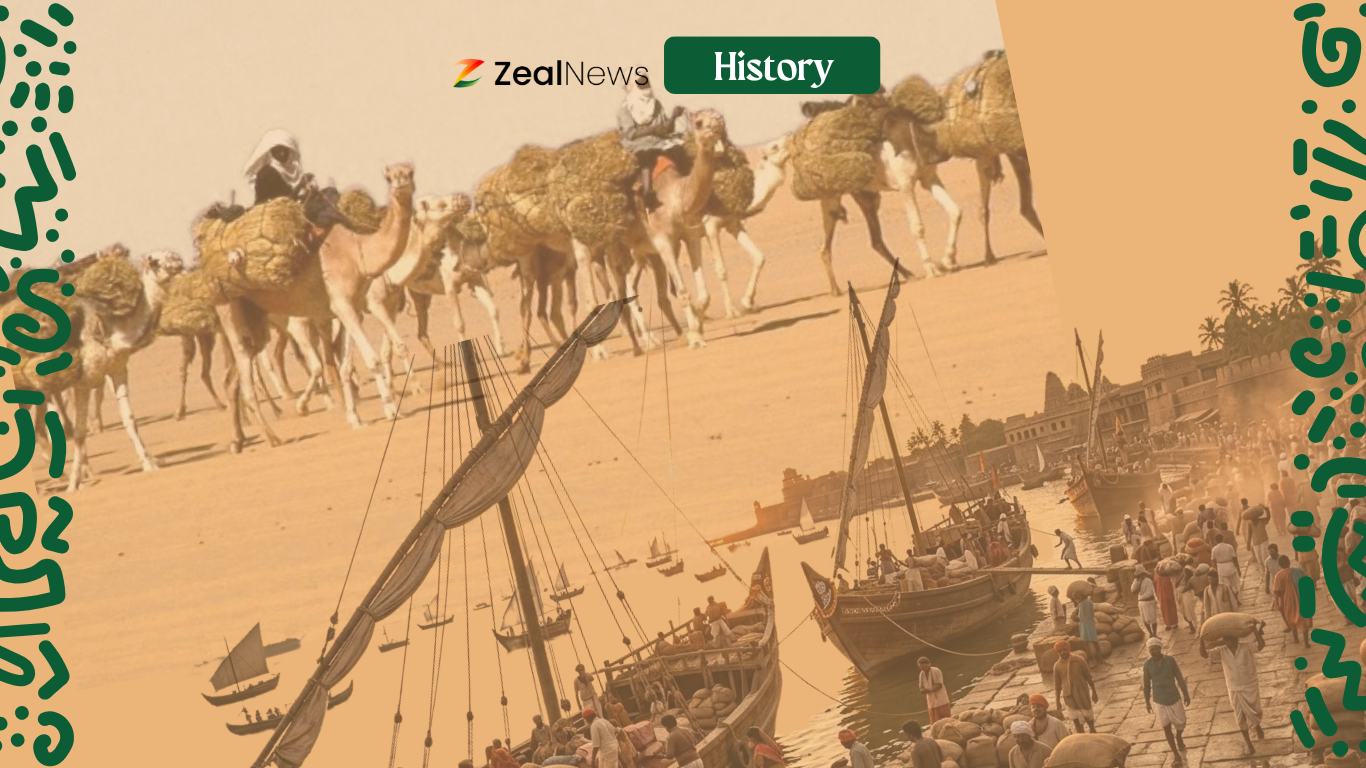
African trade routes connected the continent to the wider world through vast land and maritime networks that exchanged valuable commodities, cultures, and ideas.
But the real question remains: when did African trade routes first emerge?
African trade began with local exchanges between communities thousands of years ago and gradually developed into extensive regional and international networks. By the first millennium CE, major trade routes across the Sahara and along the Indian Ocean were connecting African societies with North Africa, the Middle East and Asia.
Communities traded goods they had in abundance for resources they needed. In North and Northeast Africa, trade networks connected communities along the Nile and across the Red Sea, while in West Africa, regional trading networks developed around valuable resources such as gold, salt and agricultural products.
Over time, these different networks connected African regions to one another and to trading partners beyond the continent. They carried not only gold, salt, ivory and other goods, but also languages, religions, technologies and cultural ideas.
In other words, African trade routes were not suddenly created, but they grew from local exchanges into regional and eventually international networks over thousands of years.
How the Trans-Saharan Trade Routes Began
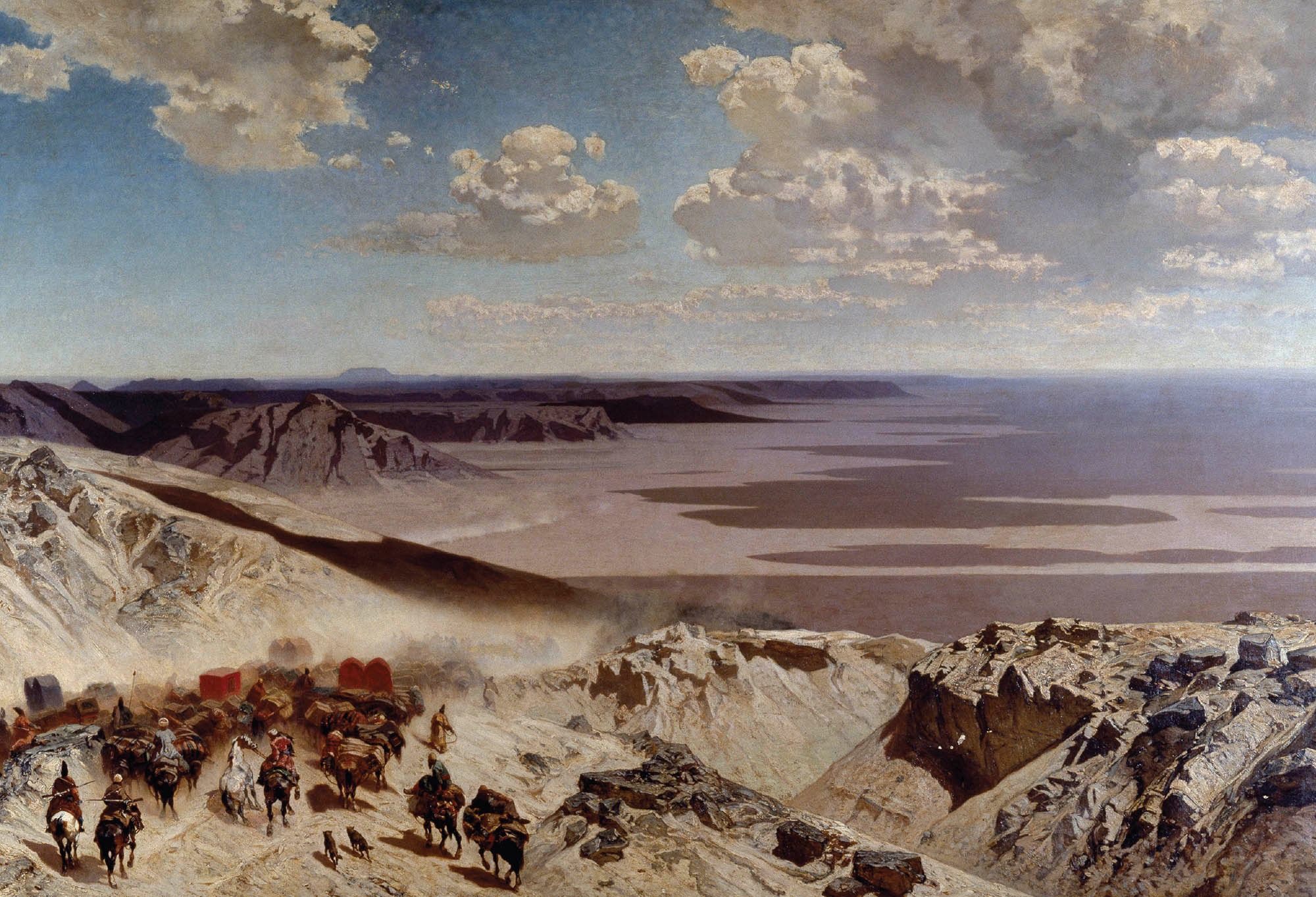
Imagine crossing one of the world’s largest deserts—not by car or plane, but on the back of a camel,carrying gold, salt and other valuable goods. This was the reality for traders who travelled across the Sahara centuries ago.
The Trans-Saharan trade routes were not created on a particular day or in a specific year. They developed gradually from local exchanges between communities on both sides of the Sahara.
Long-distance trade across the desert existed by the first centuries CE, but the introduction and wider use of camels made transporting goods across the harsh desert much easier.
By around the 7th and 8th centuries CE, organised trade between North Africa and West Africa had expanded significantly.
Traders travelled in camel caravans, exchanging West African gold for Saharan salt, while also carrying ivory, leather, textiles and other goods.
As trade grew, powerful West African states such as Ghana, Mali and Songhai became involved, and these trading centres including Timbuktu, Gao and Djenné grew because they connected different routes and regions.
History
Rewind the Stories that Made Africa, Africa
A Journey Through Time, Narrated with Insight.
The routes eventually became more than commercial networks, because alongside goods, traders carried religion, languages, ideas and cultural practices, helping connect West Africa with North Africa and the wider Mediterranean world.
In simple terms: local trade grew into regional trade, camel caravans made long-distance desert travel easier, and growing demand for valuable goods turned these paths into one of Africa's major trading networks.

How Did the Indian Ocean Became Africa’s Trading Highway?
With African sailors setting out through the East African coast, crossing the ocean and returning with goods, stories and new ideas from distant lands. Long before modern ships connected continents, the Indian Ocean was already a busy trading network.
Traders exchanged goods such as gold, ivory, spices, textiles and ceramics, while African coastal communities also became important participants in the wider Indian Ocean economy.

But the trade carried more than goods. Merchants, sailors and settlers also exchanged languages, religions, architecture, food and customs.
Over centuries, this interaction contributed to the development of Swahili culture, which reflects both its deep African roots and its long history of connections across the Indian Ocean.
In this way, what began as coastal and regional exchanges gradually became a major network linking East Africa with Arabia, Persia, India and beyond.
More Than Trade: How Ancient Networks Still Shape Africa Today
A trader could leave home carrying gold, salt or ivory and return with something far more valuable: a new language, a different belief, a new idea or a piece of knowledge from another world. That is the story of Africa’s ancient trade routes—they did not just move goods; they moved people, cultures and ideas.
As merchants moved between different regions, they shared knowledge and technologies with the communities they visited.
Religious beliefs, languages, foods, clothing styles and architectural ideas travelled alongside gold, salt, ivory, spices and textiles. This constant interaction helped some trading cities grow into important centres of learning, culture and commerce.
Over time, these connections also shaped new cultural identities. Along the East African coast, for example, centuries of interaction between African communities and traders from across the Indian Ocean contributed to the development of Swahili culture.
In West Africa, trans-Saharan trade helped cities such as Timbuktu become centres of trade and scholarship.
The impact did not stop when the ancient trade routes declined or changed, and many of the languages, foods, religious traditions, architectural styles, artistic influences and cultural practices that developed through these interactions remain part of African life today.
History
Rewind the Stories that Made Africa, Africa
A Journey Through Time, Narrated with Insight.
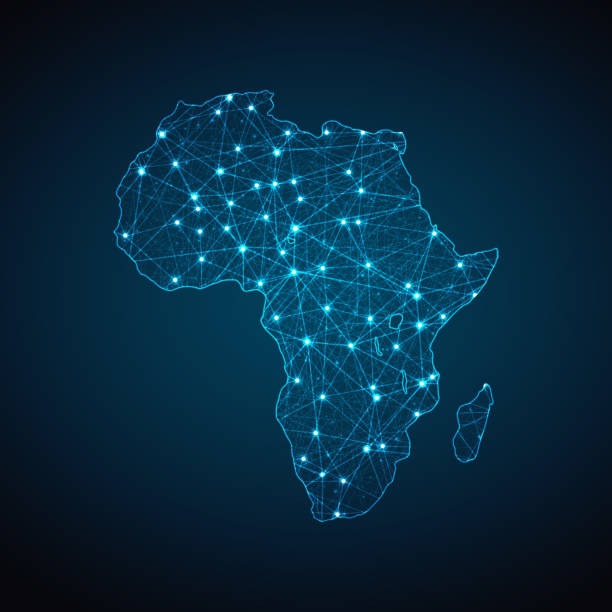
Modern African cities also continue the tradition of connecting different communities through trade, transport, migration and communication.
In a way, the old trade routes laid some of the foundations for the connected Africa we see today.
What began as people exchanging goods gradually became an exchange of knowledge and culture—and those connections helped shape the diverse societies that exist across Africa today.
Because today, the world still benefits from Africa’s trade through its natural resources, cultural influence, agricultural products, ideas and growing connections to global markets.
Conclusion
The story of African trade is ultimately a story of connection. People travelled beyond familiar lands, met strangers, built relationships and discovered new possibilities. Those journeys helped turn distant communities into neighbours and made the continent part of a much wider world.
Perhaps the idea is captured by the African proverb: “If you want to go fast, go alone; if you want to go far, go together.” Africa’s ancient traders went far—not simply because they travelled great distances, but because they built connections along the way.
Their journeys left behind a legacy of movement, exchange and cooperation that continues to shape how Africa connects with itself and the world.