Hollywood Maverick's Rebel Past: Jon Favreau's 'Swingers' Stance Revealed
"Swingers," released 30 years ago, explored Gen-X slackerdom through a distinctive "man show" lens, influencing 90s culture with its depiction of male friendships and attempts at retro cool. Jon Favreau's film follows heartbroken actor Mike and his motormouthed friend Trent as they navigate Hollywood's dating scene and a revealing trip to Las Vegas, exposing their true "awkward poseur" nature.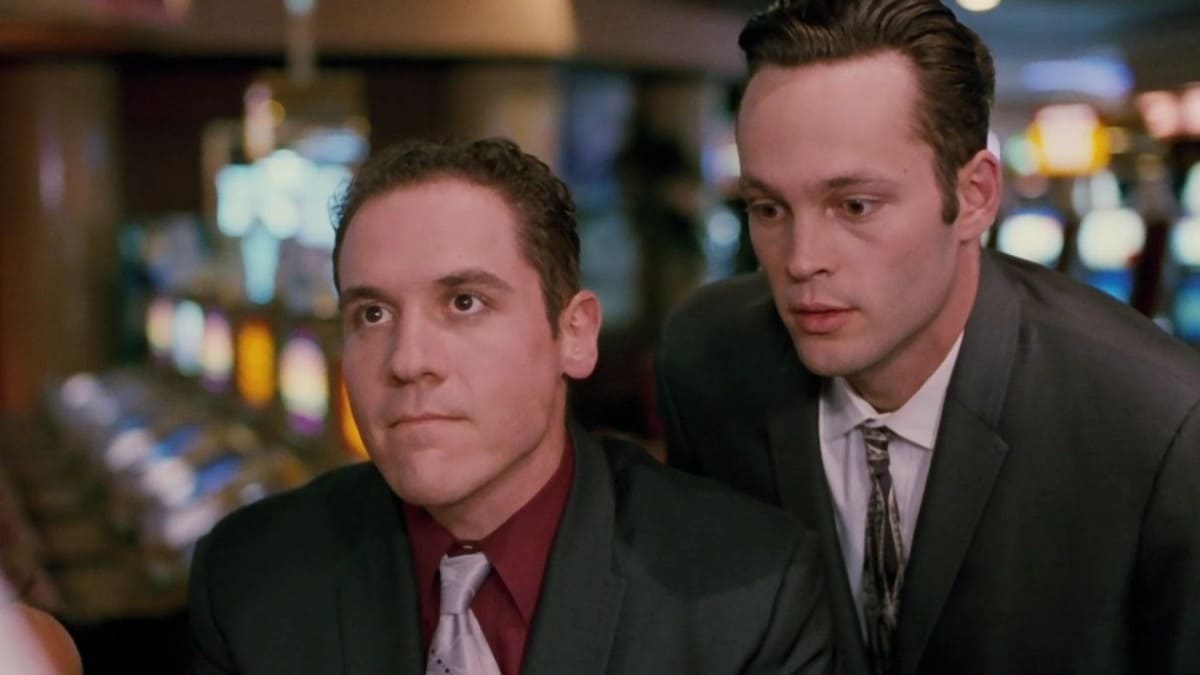
Released three decades ago, Jon Favreau's cult film "Swingers" arrived as an entertaining, yet often imitated, piece of macho posturing that left a significant mark on 1990s pop culture, particularly influencing a wave of "bad boyfriends." The movie stands as another quintessential Clinton-era narrative of Gen-X slackerdom, chronicling pop-culture-obsessed twentysomethings grappling with their perceived hipness as they reluctantly transition into adulthood. While it shares thematic ground with contemporaries like "Slacker," "Singles," and "Reality Bites," "Swingers" distinctly carves its niche as a "bonafide man show," diverging from the photogenic boys and girls and alt-rock soundtracks often found in other films of its era.
The film immediately sets its tone with an opening credits montage featuring Dean Martin's "You're Nobody Till Somebody Loves You," one of several swinging tracks that permeate the soundtrack. The characters embody the definitive "dude" archetype: predominantly single white men, often sporting retro clothing, smoking stogies, sipping Scotch, and engaging in video games that frequently escalate into playful roughhousing. Their conversations oscillate between erudite debates on the filmographies of Martin Scorsese and Quentin Tarantino, and their primary objective of hitting Los Angeles clubs and parties in search of "honeys" and "babies." They enthusiastically swing-dance to the sounds of bands like Big Bad Voodoo Daddy and constantly uplift each other with the now-iconic mantra: "You're so money."
"Swingers" was the creative brainchild of writer-star Jon Favreau, who channeled his own experiences as a heartbroken, luckless actor in Hollywood into the script. His character, Mike, is a struggling stand-up comedian and an East Coast transplant, still nursing the wounds of a recent breakup. Mike struggles to manage his neurotic tendencies as he attempts to re-enter the tumultuous dating scene, relying heavily on his close-knit group of actor friends. Central to this dynamic is his fast-talking best friend, Trent, portrayed by Vince Vaughn, who persistently coaxes Mike into an impromptu late-night road trip to Las Vegas.
The Vegas excursion serves as a pivotal point, unmasking the true nature of these self-proclaimed "hepcats." Despite their efforts to present themselves as sharp-dressed high-rollers in a casino predominantly occupied by senior citizens, their attempts to charm cocktail waitresses often fall flat, and their luck at the card tables is consistently poor. Their incessant bickering and underlying awkwardness reveal them to be more akin to "Felix and Oscar" from "The Odd Couple" than the suave "Frank and Dino" they aspire to be. Favreau himself has acknowledged that a scene where Mike inadvertently sabotages a potential encounter with two women was directly inspired by a similar comedic mishap in "The Odd Couple," further emphasizing the film's self-aware humor about its characters' performative masculinity.
"Swingers" ultimately offers a humorous yet poignant look at male friendship, vulnerability, and the often-awkward journey of young men trying to define themselves and navigate relationships in a complex social landscape, leaving a lasting legacy as a cultural touchstone for a generation trying to grow up.