Hidden Tax: Remittance Fees Steal the Generosity of the Diaspora
Remittances have become Nigeria's most reliable source of foreign exchange, dwarfing FDI and oil revenue combined

The Nigerian diaspora pulls off an economic miracle every month. Hundreds of thousands of Nigerians, from London to Houston to Dubai, forgo small comforts, skip major purchases, and scrupulously save to send a few hundred dollars back home.
That lifeline, known as remittances, has become Nigeria's most reliable source of foreign exchange, dwarfing FDI and oil revenue combined. But between the diaspora's hand and the beneficiary's bank account stands a wall of exorbitant fees and poor exchange rates-a silent, consistent drain that acts like a hidden tax on the generosity of the diaspora and the resilience of the Nigerian economy.
Lifeline and Leak
The sheer volume of remittances is staggering. Nigeria remains the largest recipient of remittances in sub-Saharan Africa, with inflows exceeding $20 billion annually. For the average family, this money pays for food, school fees, medical emergencies, and entrepreneurial startups. But this economic contribution comes at a steep cost.
Historically, global money transfer giants like Western Union and MoneyGram dominated the corridor, and while these companies offered security and reach, the average cost of sending money to Africa was often more than 8% of the amount transferred, significantly higher than the global average.
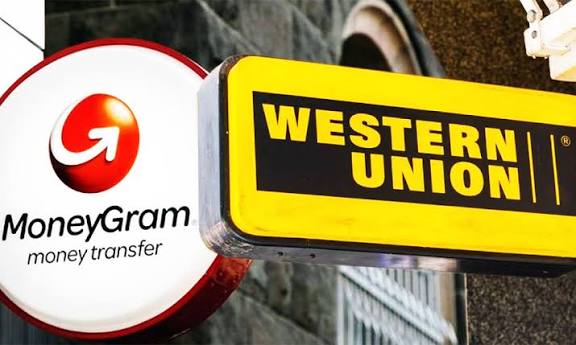
This systemic leakage meant that billions of Naira meant for development and survival were instead pocketed by international corporations.
The $500 Showdown
The real cost starkly comes into view when you track a common transfer, say, of $500, sent from the US to Nigeria. Traditional players often use an exchange rate significantly lower than the true official market rate (the interbank rate) and then charge a visible transfer fee on top. This combination is where the majority of money disappears, better known as the hidden fee.
Enter Nigerian and African FinTechs like Sendwave, Flutterwave, and Wise. These digital-first platforms, often founded by the diaspora themselves, saw the injustice and built systems to bypass the old network.
With the use of technology, lower overheads, and mid-market exchange rates, they can often deliver a far greater Naira equivalent to the beneficiary for that same $500.
This is the new front line in the money transfer business: outdated, expensive global monopolies pitted against lean, natively digital African innovation fighting to protect the Naira value of every dollar sent home.
Diaspora Connect
Stay Connected to Home
From Lagos to London, Accra to Atlanta - We Cover It All.
The Burden of Care
This is a problem that hits hardest in the Nigerian youth diaspora, because the burden of care is real. The person remitting money is often a recent university graduate or young professional struggling with high rent and cost of living abroad.
When fees are high, these are not abstract costs; they represent a trade-off. That $40 lost in fees and poor exchange could have been the final payment for a school uniform, two weeks of fuel for a generator, or a bag of rice.
The high cost of transferring the money makes the diaspora's act of financial support less an act of pure generosity and more a systemic commitment to subsidizing the Nigerian economy. This financial strain is internalized to feed the narrative of sacrifice that defines the Japa generation.

The Missing Naira
Consider a mother in Ibadan waiting for the funds for a crucial surgery. Her son in Manchester sends £400. If that transfer were to lose 8% to fees and poor rates, she receives thousands of Naira less than what she would have hoped for. That gap, that missing Naira, is the difference between immediate care and another desperate wait.
The Central Bank of Nigeria has identified the problem and issued circulars and licenses to encourage formal, efficient channels, going as far as to consider giving IMTO access to the official foreign exchange market. However, the informal economy, built on a lack of trust and better rates offered by aboki-money changers-still thrives precisely because the formal, regulated channels remain imperfectly competitive.
Investing in Trust
Remittances are not charity; they are a reliable, counter-cyclical investment in the Nigerian economy. They prove less volatile than foreign direct investment and aid. Therefore, reducing transaction costs is not just a moral issue; it's a macroeconomic necessity. The World Bank has pushed for global remittance costs to drop below 3% by 2030, a goal Africa is nowhere near achieving.
Every dollar saved in fees is a dollar immediately injected into the local economy, boosting consumption, supporting SMEs, and improving livelihood. The success of the FinTech sector is not just a technological triumph; it's a profound act of building the financial trust and transparency that Nigeria needs to stabilize its currency and grow its domestic economy.
Saving the Naira, One Fee at a Time
Diaspora Connect
Stay Connected to Home
From Lagos to London, Accra to Atlanta - We Cover It All.
But the real fight for the Naira is not fought in the foreign exchange market; it's fought in the milliseconds between the sender hitting 'confirm' and the beneficiary receiving the alert. Until those fees fall and the rates become truly fair, the generosity of the diaspora will be taxed, and the promise of Nigerian economic resilience held partially hostage by a few extra kobo lost in the global transfer chain.