Hantavirus Scare Grips Cruise Ship: Passengers Evacuated, Treated in Europe!

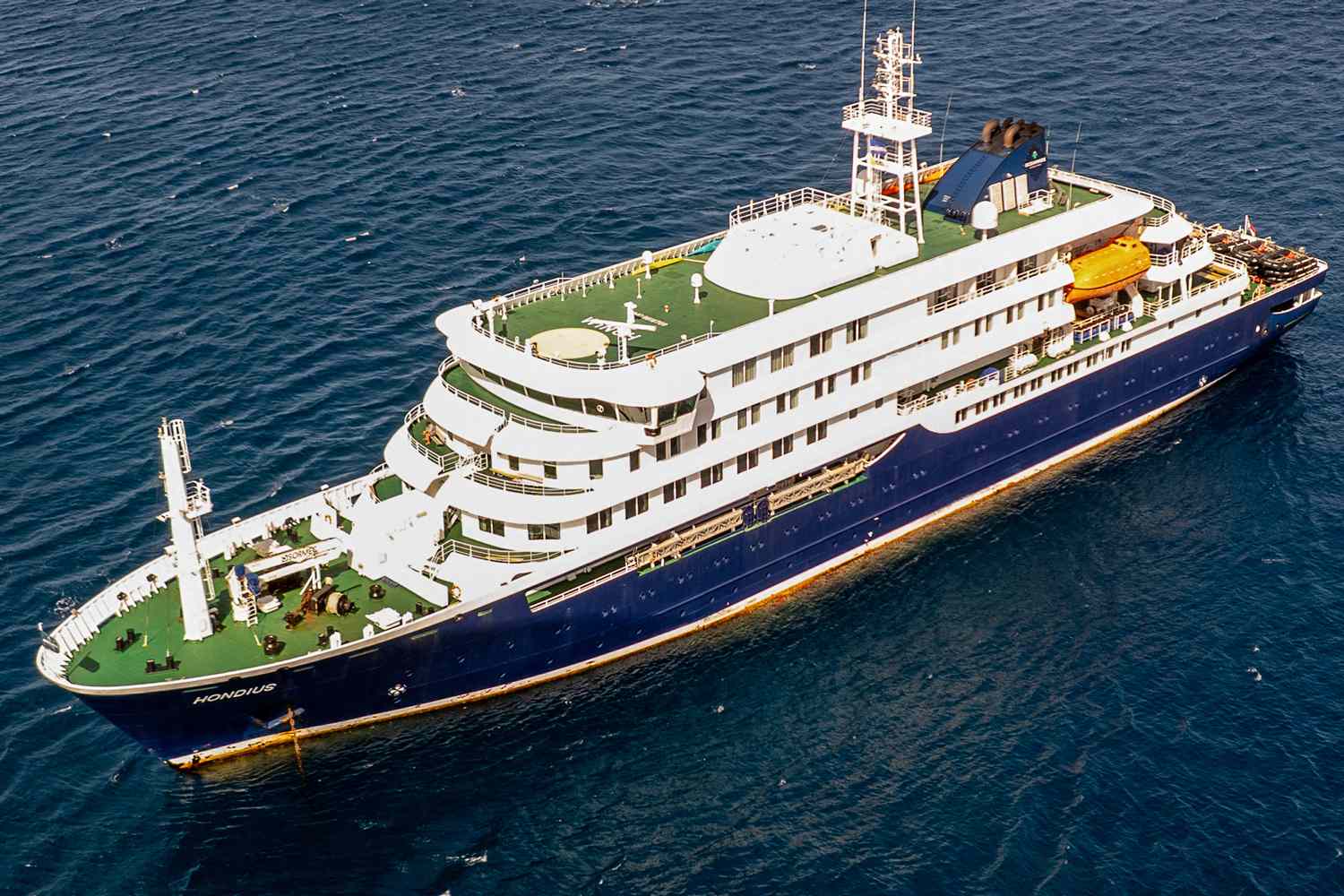
The MV Hondius cruise ship has become the focal point of an international health alert following a deadly hantavirus outbreak that has claimed three lives. The vessel, which departed Ushuaia, Argentina, on April 1, has been anchored off Cape Verde as emergency teams manage the situation and evacuate affected individuals. The World Health Organization (WHO) confirmed the Andes strain of hantavirus, a rare form known for its human-to-human transmission, though health officials globally are downplaying fears of a widespread pandemic, stressing the low risk due to the virus's requirement for very close contact for transmission.
The outbreak began to manifest approximately a month after the ship set sail, with passengers falling ill. Among the tragic casualties were a Dutch man who died on board on April 11, and his wife, who subsequently succumbed to the illness in South Africa on April 26 after leaving the ship to accompany his body. Three confirmed hantavirus cases have been identified so far: one of the fatalities, a British passenger currently in intensive care in Johannesburg, and a former passenger receiving treatment in a Zurich hospital. Additionally, the WHO reported five other suspected cases linked to the cruise.
On May 6, 2026, emergency crews swiftly evacuated three individuals from the MV Hondius – specifically two sick crew members and one person who had been in close contact with a confirmed case – from its anchorage off the coast of Cape Verde. These evacuees were subsequently flown to the Netherlands for specialized medical treatment. One medical plane landed in Amsterdam Airport, while another made a technical stop in Las Palmas, Spain, before continuing its journey to the Netherlands, carrying two patients.
Concerns about potential wider transmission were raised after it was revealed that the Dutch woman who died had flown on a commercial Airlink flight from the island of Saint Helena to Johannesburg while exhibiting symptoms. Officials are actively engaged in tracing the 82 passengers and six crew members from that particular flight to assess potential exposure. Furthermore, Dutch airline KLM disclosed that one of the people who died from the virus had been "briefly" on its flight from Johannesburg to the Netherlands on April 25, though the individual was removed before the aircraft took off.
Despite these incidents, global health authorities and officials have consistently sought to reassure the public that the overall risk of a widespread outbreak remains low. WHO chief Tedros Adhanom Ghebreyesus, South Africa's Health Minister Aaron Motsoaledi, and the Swiss health ministry have all underscored that the Andes strain's human-to-human transmission is "very rare" and necessitates "very close contact." The Swiss ministry, in particular, stated that further cases in Switzerland are "unlikely" given these transmission characteristics. The former passenger being treated in Zurich had travelled from South America with his wife, who is asymptomatic but self-isolating as a precaution, prompting regional authorities to investigate potential contacts.
The MV Hondius, operated by Dutch firm Oceanwide Expeditions, originally carried 88 passengers and 59 crew members representing 23 nationalities. Spanish Health Minister Monica Garcia Gomez announced that the vessel is expected to dock in Tenerife, Canary Islands, within the next three to four days, from where foreign passengers will be repatriated to their home countries if their health condition permits. The WHO's representative in Cape Verde, Ann Lindstrand, confirmed that the three people taken from the ship were "stable," with one being asymptomatic.
You may also like...
Agent Bombshell: Haaland's Representative Labels Man City 'Most Difficult Club' for Deals

Erling Haaland's agent, Rafaela Pimenta, shared insights into negotiating with Manchester City, calling them the most di...
Playoff Blow: 76ers Star Joel Embiid Out for Crucial Game 2 Due to Injuries

Philadelphia 76ers star Joel Embiid is confirmed to miss Game 2 of the Eastern Conference semifinals against the New Yor...
Dream Team Alert! Martin Scorsese & Oscar Isaac Reunite for New Netflix Crime Thriller Series!
Oscar Isaac is set to star as Robert “Bobby Red” Redman in a new, as-yet untitled Las Vegas-set series for Netflix, port...
Hollywood Heavyweights Miles Teller & Eddie Redmayne Set to Team Up in Doug Liman's Explosive New Spy Thriller 'Star One'!

Doug Liman's new spy thriller “Star One” is heading to the Cannes market, with Eddie Redmayne and Miles Teller in talks ...
Iconic Hit: Coolio's 'Gangsta's Paradise' Shatters 2 Billion YouTube Views Milestone!

Coolio's classic 1995 hit "Gangsta’s Paradise" has reached a new milestone, with its music video hitting 2 billion views...
Shocking Twist: How One Quote Nearly Undermined 'The Boys' Season 5's Biggest Betrayal

"The Boys" Season 5, Episode 6, "Though the Heavens Fall," delivers a shocking climax as Black Noir meets his end at the...
IndyCar's 'One Race' T-Shirt Flap: Swift Deletion After Public Outcry

IndyCar faced significant backlash after launching an officially licensed T-shirt bearing the slogan “One Nation, One Ra...
California Cracks Down: Driverless Cars Face Ticketing for Traffic Violations

California is pioneering new legislation, Assembly Bill 1777, to hold driverless car companies accountable for traffic v...