Goodbye Corsets, Hello Oleku: Why Nigerian Women Are Falling in Love With Their Mothers' Fashion Again
Nigerian women are ditching uncomfortable corset gowns for stylish oleku-inspired buba and iro outfits. Discover why this nostalgic fashion trend is making a major comeback at weddings and owambes.
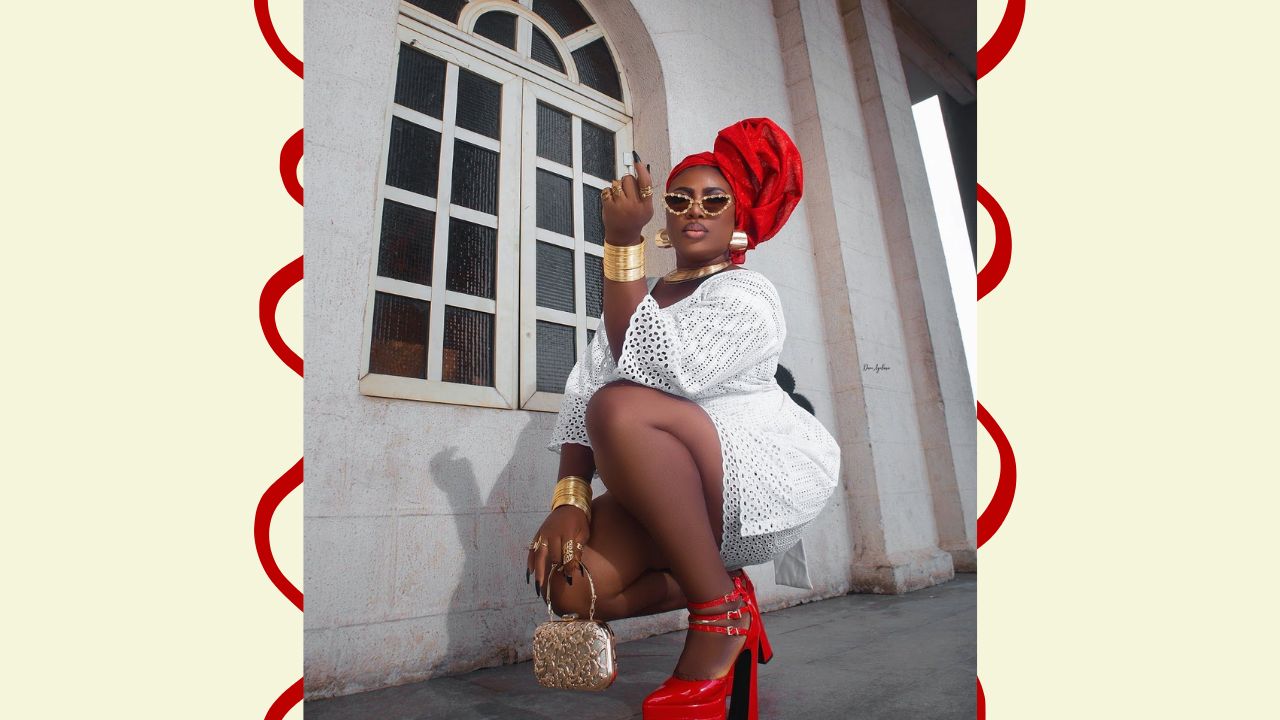
Nobody quite agrees on who first decided the corsetshould be the official Nigerian wedding guest uniform, but we all know how it happened.
Sometime between the rise of Nigerian bridal Instagram and the "aso ebi as a flex" era, celebrity stylists and fashion influencers turned the corset into shorthand for looking "snatched" at owambe events. The corset was built directly into a full length fitted gown, boning sewn into the bodice and molding the body from bust to hip in one long and snatched silhouette.
It appealed to the photographs and trends. Nobody stopped to ask if it was actually wearable for six hours of dancing, eating pounded yam and greeting aunties you have not seen in a decade.
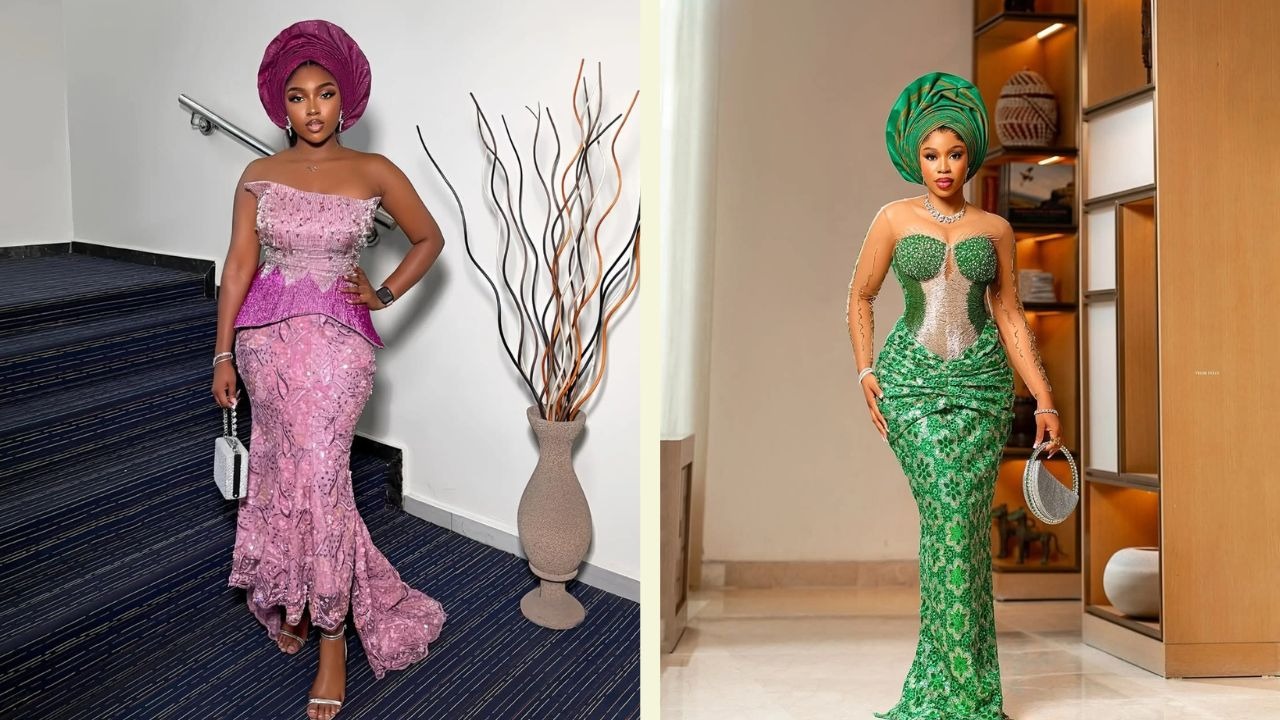
The Problem With Corsets Nobody Talks About
A corset is basically structured armour with boning sewn into the fabric. It is designed to hold your waist in place and not to let you breathe freely after a second plate of jollof rice.
Ask any Nigerian woman who has worn one to a wedding and she will tell you the real story of the sharp underwire digging into ribs by hour two, the lace holding firm while your stomach struggles underneath and that particular kind of discomfort you have to hide behind a smile for the camera.
Weddings in Nigeria are not sit-down affairs. You are expected to dance like life depends on it, eat like the food will not last and spray money without your dress fighting back. Corsets were simply never built for that kind of joy.
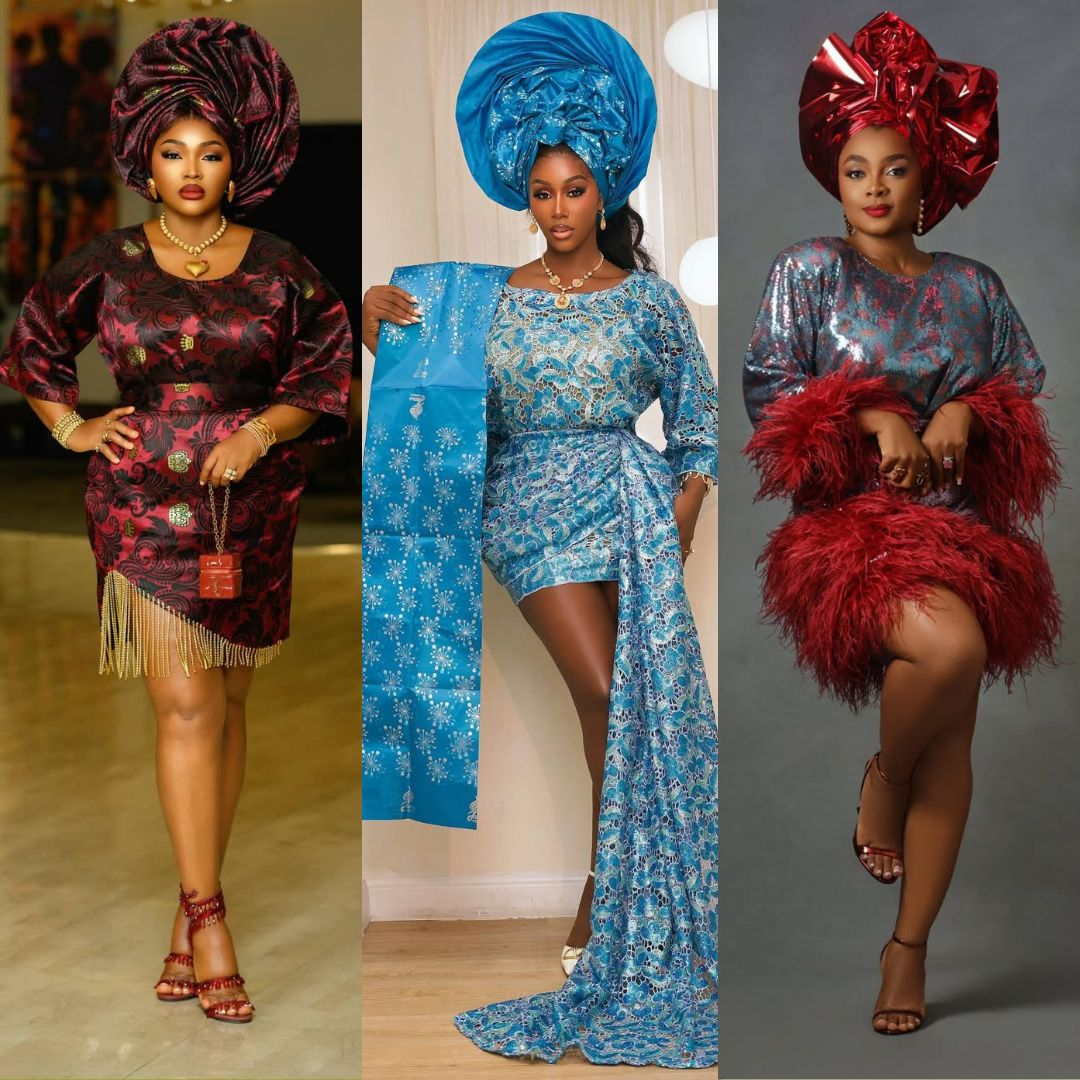
Enter the Buba and Iro, Reimagined
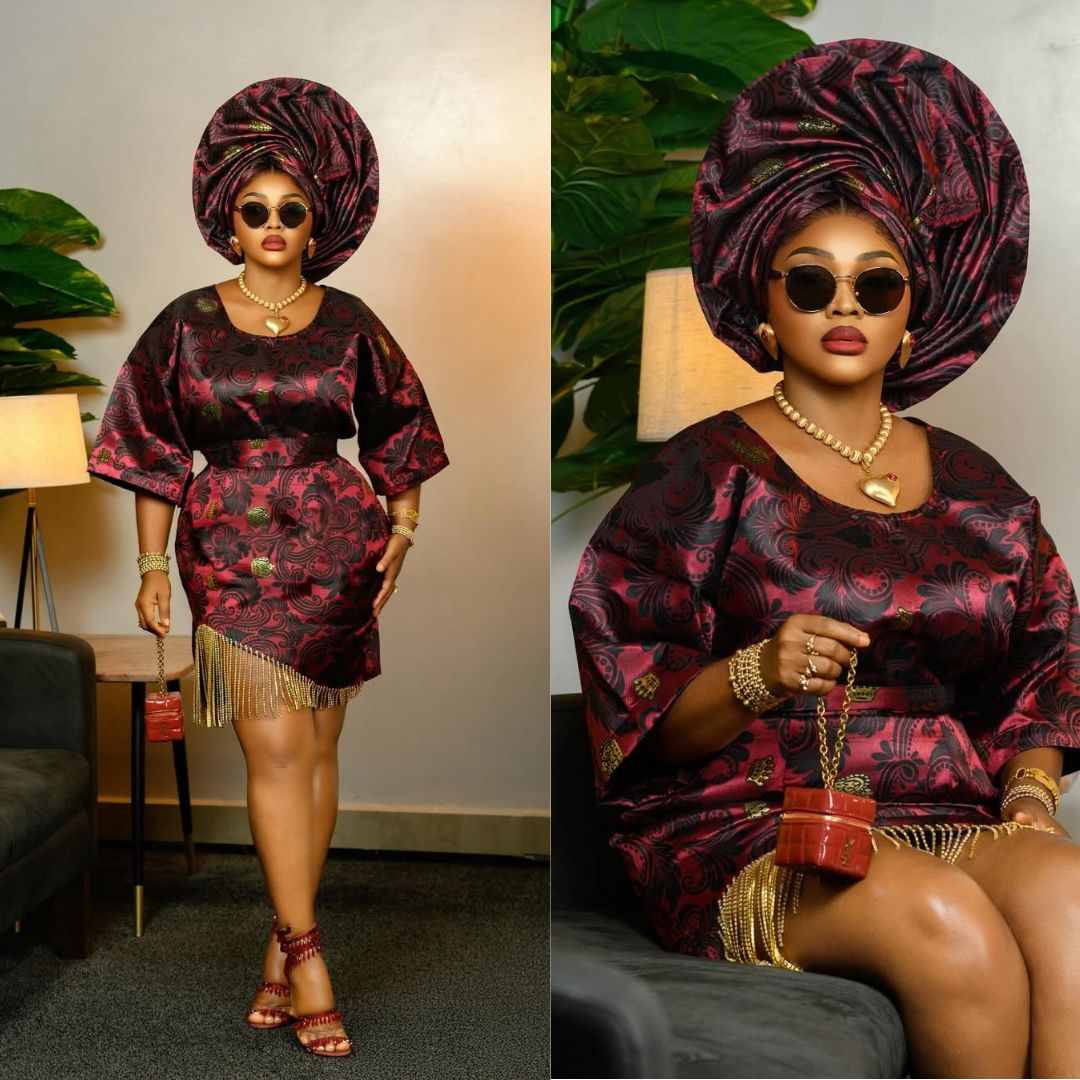
This is where the oleku comeback comes in. Young Nigerian women are trading in the corset for a modern and tailored version of the buba and iro their mothers and grandmothers wore. They somehow found a way to exclude the stiffness and add a lot more style.
Think about fitted but breathable bubas paired with an iro-inspired skirt that has enough stretch to let you slide across the dance floor. Designers are playing with lace, ankara and even satin to keep the look modern while keeping the silhouette rooted in tradition. It gives the vibes old-school elegance with new-school comfort.
Comfort Is Becoming the New Aesthetic
Nigerian fashion is slowly moving away from "beauty is pain" as more Gen Z and millennial women are becoming vocal about wanting clothes that let them actually live in them, not just pose in them.
This is part of a wider comfort-first fashion wave that has been building globally, but the Nigerian twist is that comfort is being found in our own archives.
Instead of importing another Western trend, women are looking at what their mothers wore in the 80s and 90s and asking why it fell out of favour in the first place.
Turns out, it was never the fashion that was outdated. It was just waiting for its next remix.
Why This Trend Says a Lot About Where Nigerian Fashion Is Headed
Fashion has always moved in circles and Nigerian style is no exception. What we are seeing with the buba and iro revival is proof that trends do not just disappear, they wait for someone to reintroduce them with fresh eyes.
The corset era taught us what "snatched" looks like. The oleku revival is teaching us that snatched and comfortable are not mutually exclusive.
As more stylists start designing for real movement rather than just still photos, do not be surprised if other archived styles, like the boubou or the classic wrapper and blouse combo, get their own glow-up soon.
At the end of the day, this is less about ditching one trend for another and more about Nigerian women reclaiming the right to enjoy their own celebrations. Because really, what is the point of looking good at a wedding if you cannot dance like nobody is watching?