Nigeria Rugby Builds Local Expertise Through World Rugby Training Programme
Nigeria's rugby federation is strengthening local coaching, officiating and medical capacity through a World Rugby development programme in Abuja.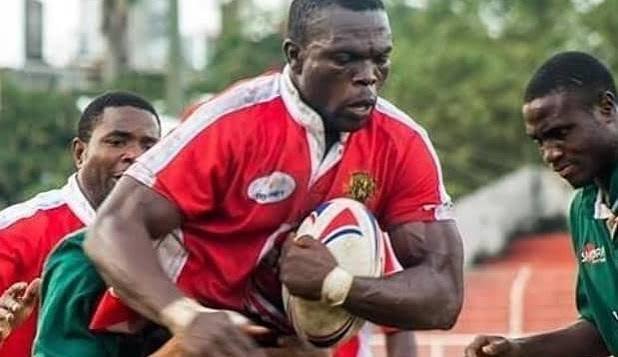
Nigeria is strengthening the foundations of its rugby system as World Rugby educators work with local coaches, match officials and medical personnel in a major technical development programme in Abuja.
The three-day programme, organised by the Nigeria Rugby Football Federation (NRFF), is designed to improve the country's ability to develop and certify its own rugby professionals.
Building a Stronger Local Workforce
The programme includes World Rugby Level 1 and Level 2 coaching, match officiating, First Aid in Rugby, Immediate Care in Rugby, safeguarding and assessments for Nigerian educators.
The NRFF said the programme is part of its wider effort to strengthen Nigeria's coaching and officiating structures, reducing the country's reliance on overseas educators while building a stronger local technical workforce.
That shift matters because a growing sport needs more than players.
Coaches need to be trained, referees need to understand the modern game and medical personnel need the skills to protect players on the field.
From International Training to Local Development
World Rugby's education system is designed to support member unions across several areas, including coaching, match officiating, player welfare and medical care.
Its official training and education framework includes face-to-face qualifications as well as online learning, with higher-level programmes delivered through regional structures.
For Nigeria, the bigger opportunity is what happens after the World Rugby educators leave.
Participants are expected to take the knowledge and qualifications gained from the programme back to their clubs, states and communities, helping create a wider pool of coaches, referees and medical personnel.
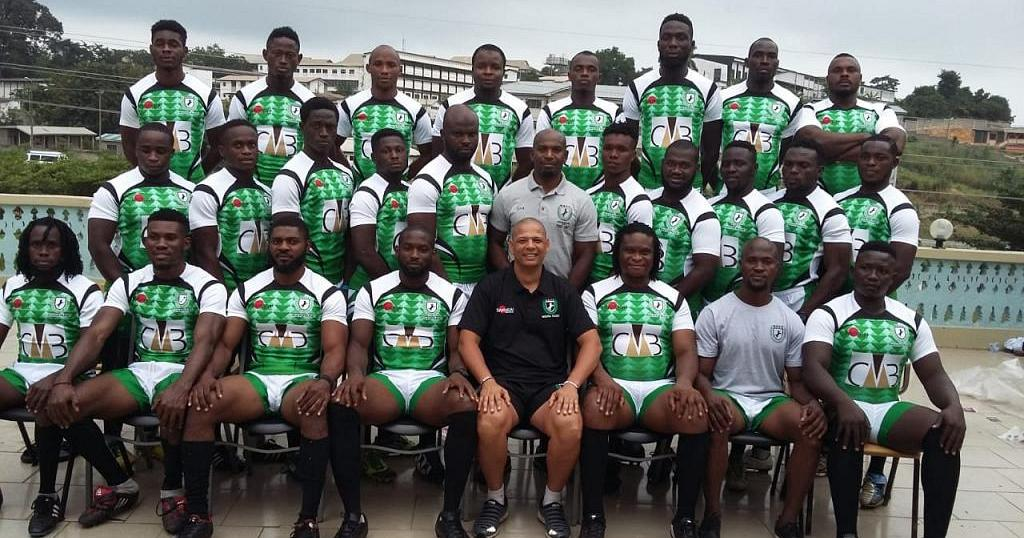
Creating Rugby Pathways Across Nigeria
NRFF President Dr Ademola Are has urged participants to work closely with state rugby associations, sports councils and ministries to expand the game beyond its existing centres.
The federation believes stronger cooperation among these groups will help rugby establish more sustainable development structures across the country.
The programme also reflects a broader push by the NRFF to make technical development less dependent on international visits.
Nigeria now has World Rugby-trained educators who can support local courses, allowing the federation to gradually develop a system in which expertise is passed from one generation of practitioners to the next.
Why This Matters for Nigerian Rugby
Rugby's growth in Nigeria will ultimately depend on what happens at grassroots level.
More qualified coaches can mean better player development, while stronger officiating can improve the standard and credibility of domestic competitions.
Better-trained medical personnel can also strengthen player welfare, an increasingly important part of modern sport.
For a country with a large youth population and a growing interest in alternative sporting pathways, building the people behind the sport could be just as important as building the teams on the field.
The latest Abuja programme therefore represents more than a short training course.

If participants apply what they have learned and continue training others in their communities, the investment could help Nigeria build a deeper and more self-sufficient rugby ecosystem over the coming years.