Ghana Slams Door on 'Humiliating' US Health Deal Over Medical Records Sovereignty
Ghana has firmly rejected a proposed US health compact, citing "humiliating" provisions regarding health data sovereignty, financial commitments, and regulatory oversight by the FDA. President John Mahama emphasized the need for national control over medical records and health systems, aligning with his "Accra Reset" initiative for greater self-reliance and equal international partnerships. This decision highlights broader concerns among African nations regarding new US health assistance arrangements.
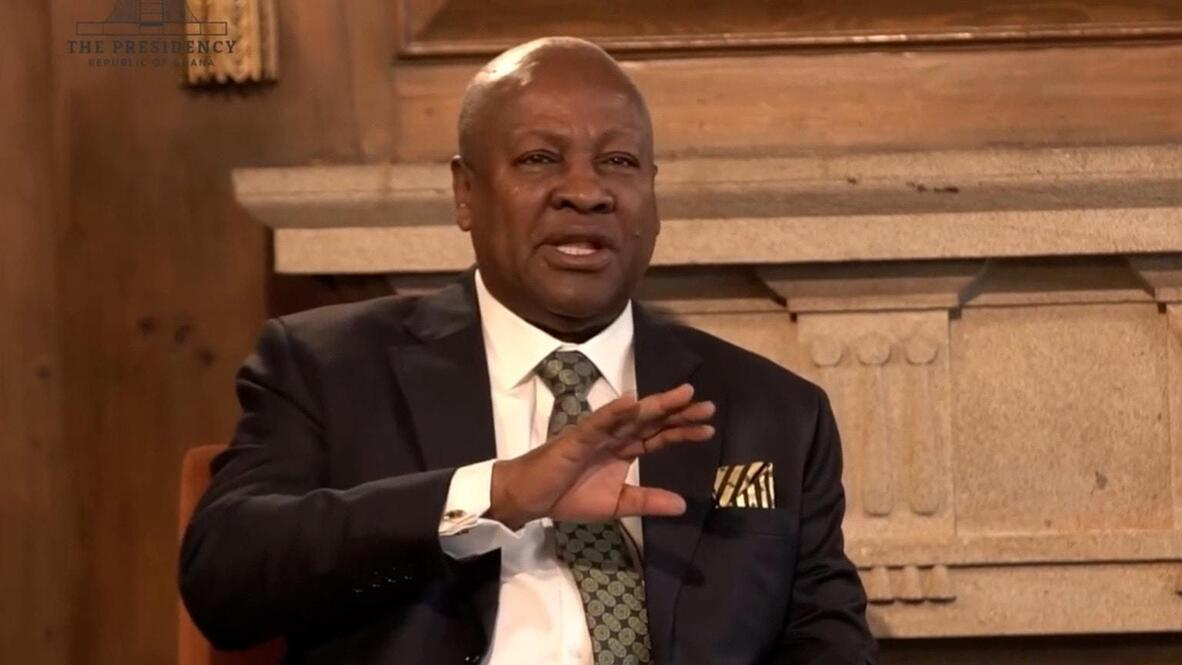
President John Dramani Mahama recently described Ghana's rejection of a proposed health compact from the United States as "humiliating."
Speaking at the Council on Foreign Relations in New York on Friday, September 25, Mr. Mahama explained that the compact, intended to replace health funding previously provided through the United States Agency for International Development (USAID), contained several unacceptable provisions.
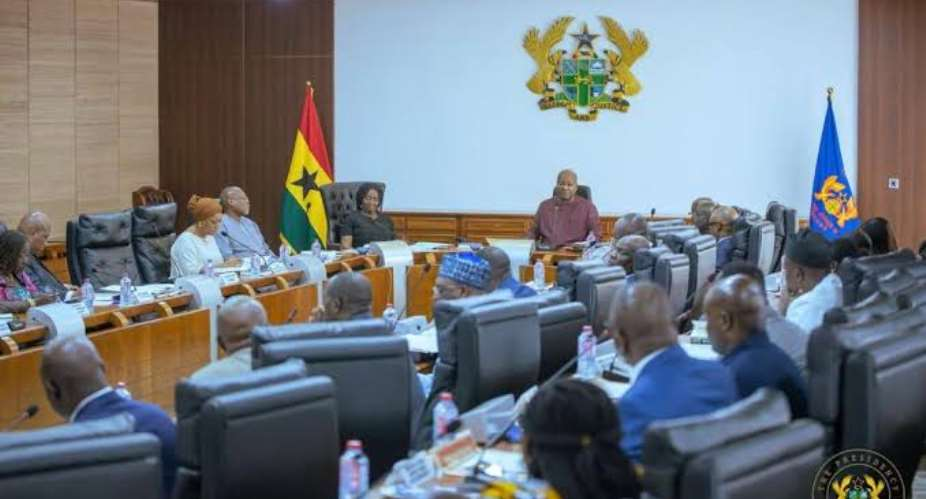
The Ministry of Health reviewed the document before submitting it to Cabinet, where it was swiftly dismissed, with President Mahama noting, "It was the compact that was thrown out in record time in our Cabinet. I've never seen anything thrown out as fast as that."
The Minister of Health was subsequently directed to inform the US Ambassador of Ghana’s decision.
The core issues flagged by Ghana primarily revolved around three critical areas: health data sovereignty, financial commitments, and regulatory authority.
One of the most contentious provisions required Ghana to provide the United States with its pathogen profile and medical records.
President Mahama publicly questioned this demand, stating, "It states that we shall give the United States our pathogen profile. It also says we should give our medical records. I mean, who takes another country's medical records?"
This concern over medical records was vehemently echoed by Dr. Mark Kurt Nawaane, Chairman of Parliament’s Select Committee on Health. Dr. Nawaane described medical records as a "no-go area" for a sovereign state.
While acknowledging that Ghana routinely provides international organizations with aggregate health statistics such as maternal and child mortality rates and life expectancy, he stressed that specific medical records are fundamentally different and require absolute national control.
He questioned the potential scope of such a provision, asking, "Is it that if they ask us for the aggregated medical records of politicians in Ghana, whether we should be able to supply them, or aggregated medical records of women?"
Dr. Nawaane emphasized that Ghana must retain the sovereign right to decide what health information is released, who has access to it, and how it can be used, ensuring appropriate safeguards are in place.
Beyond data, the proposed compact also stipulated that Ghana commit a specified amount of counterpart funding.
Furthermore, it contained a provision that would have exempted medicines and other medical products supplied under the program from inspection by Ghana’s own Food and Drugs Authority (FDA), thereby undermining the nation's regulatory sovereignty and public health oversight. These conditions collectively led Cabinet to swiftly reject the agreement.
The rejection of the compact aligns with President Mahama's broader "Accra Reset" initiative, launched against the backdrop of the withdrawal and restructuring of US foreign assistance.
He has argued that Ghana's previous heavy reliance on external health financing exposed vulnerabilities in its health systems.
The "Accra Reset" advocates for greater health self-reliance, including increased investment in local production of medicines and vaccines, enhanced research capacity, and the development of health systems less dependent on foreign aid.
At a separate Accra Reset event in New York, President Mahama unveiled "A Sovereign Future for Health," a report offering recommendations to strengthen health systems in the Global South and reduce reliance on external funding.
He clarified that the objective is not to isolate Ghana from international partners but to foster more equal and sustainable partnerships.
Ghana's concerns are not unique; other African countries, including Zimbabwe, have also raised issues regarding similar new US health assistance arrangements, particularly concerning requirements to share sensitive health data.

Ghana's stance underscores a growing movement among sovereign nations to safeguard national interests and ensure that international cooperation truly serves their developmental priorities.