Ghana's Judicial Appointment Crisis: Minority Alleges Vetting Irregularities
Ghana is embroiled in a constitutional dispute over the vetting of Chief Justice nominee Justice Paul Baffoe-Bonnie. The Minority in Parliament seeks to halt the process, citing unresolved legal challenges to the former Chief Justice's removal, while critics emphasize Parliament's constitutional duty and the need to protect judicial independence from politicization.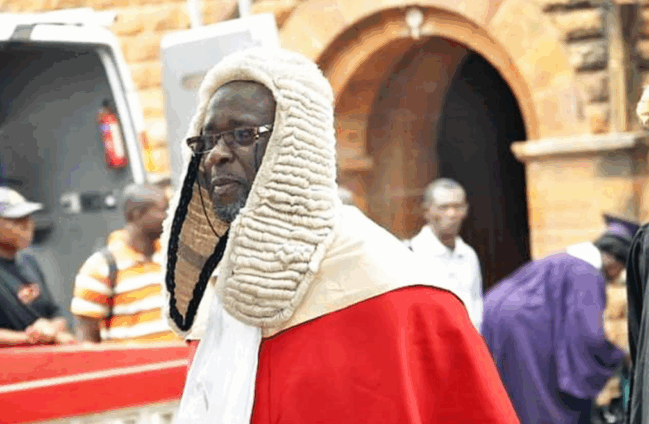
The political landscape in Ghana is currently gripped by a contentious debate surrounding the vetting of Justice Paul Baffoe-Bonnie as the nominee for Chief Justice. This process has been challenged by the Minority in Parliament, who seek to suspend it until ongoing legal challenges against the removal of former Chief Justice Gertrude Torkornoo are resolved. This situation has exposed a worrying trend of politicisation within Ghana’s judicial appointment processes, raising significant questions about constitutional duty, judicial independence, and the separation of powers.
Critics of the Minority's stance, including former Member of Parliament Inusah Fuseini, argue that Parliament has a clear constitutional duty to vet nominees based on merit, competence, and character, not political expediency. The Constitution, they assert, knows no political colour and binds all institutions alike. Justice Baffoe-Bonnie’s nomination strictly follows constitutional procedure under Article 144(1) and is devoid of any legal flaws attributable to him. It is highlighted that he did not orchestrate his predecessor's removal nor constitute any investigatory committee; his nomination simply coincides with a period of controversy. To delay his vetting due to political calculations is seen as punishing an innocent man for circumstances beyond his control and undermining the fundamental separation of powers that defines the Republic.
The Speaker of Parliament, Rt. Hon. Alban Bagbin, acted in full conformity with Article 144(1) by referring the nomination to the Appointments Committee. Legal experts emphasize that unless and until a competent court nullifies the removal of Justice Torkornoo, the constitutional presumption of validity applies to the President’s nomination. Furthermore, Inusah Fuseini stressed that Parliament is not the appropriate forum to litigate the legal challenges surrounding Justice Torkornoo's removal, stating that such matters belong in courts of competent jurisdiction. He also pointed out that Article 146 of the 1992 Constitution, which governs the removal of a Chief Justice, provides no room for appeal, suggesting the framers intended such decisions to be final, thus precluding Parliament from being restrained by pending court cases in performing its duties.
Conversely, the Minority in Parliament, represented by figures such as MP for Gushegu, Alhassan Tampuli Sulemana, insists their concerns are rooted in constitutional propriety and respect for judicial processes rather than partisan politics. They question the government’s haste to fill the Chief Justice's office while the legality of Justice Torkornoo’s removal remains unresolved. Tampuli argued that if the courts were to rule the removal flawed, Torkornoo might need to be reinstated, creating a precarious situation. The Minority also notes the presence of an Acting Chief Justice, which ensures no vacuum or paralysis in the judiciary, thus mitigating any urgent need for a permanent appointment. They contend that proceeding with the vetting could breach due process, prejudice ongoing legal proceedings, and ultimately erode public confidence in both the judiciary and Parliament’s constitutional oversight role. Their motion, filed on October 29, 2025, seeks to suspend all parliamentary proceedings related to Justice Baffoe-Bonnie’s appointment until the legal cases are concluded.
This impasse risks setting a dangerous precedent, where any judicial appointment could be stalled by political factions disapproving of the timing or context. Such actions, critics argue, are not accountability but rather "anarchy clothed in constitutional language," slowly corroding public confidence in the judiciary. The Judiciary is meant to be the last bastion of constitutionalism, an independent institution to which all branches of government must turn in disputes. Politicising its appointments undermines the very foundation of democratic order. Justice Paul Baffoe-Bonnie's extensive career, marked by jurisprudential excellence and unwavering ethics, should be the sole basis for his vetting. Obstructing or delaying his appointment is not only unfair to him but also detrimental to the efficient administration of justice, leaving the judiciary in an undesirable state of limbo.
Ultimately, the call is for the Minority to transcend partisanship, allowing Justice Torkornoo’s legal challenge to proceed through the established judicial channels, while Parliament fulfils its distinct constitutional duty. Adherence to the rule of law demands this separation, ensuring that political convenience does not dictate judicial appointments, thereby safeguarding the independence of the courts and, by extension, the nation's freedom and democratic institutions.