Ghana's 'Cocaine Coast' Crisis: Busts, Seizures, and National Embarrassment Fuel Drug Debate
Ghana faces national and international scrutiny following the seizure of 3.9 tonnes of cocaine from a Ghana-originating consignment in France, sparking a heated debate over port security and accountability. Criticisms target systemic weaknesses and the exclusion of the Narcotics Control Commission from routine checks, while President Mahama has ordered an inter-agency task force to develop anti-drug trafficking measures. The incident, alongside other recent busts in Upper West and Oti regions, highlights urgent concerns about Ghana's international reputation and drug control systems.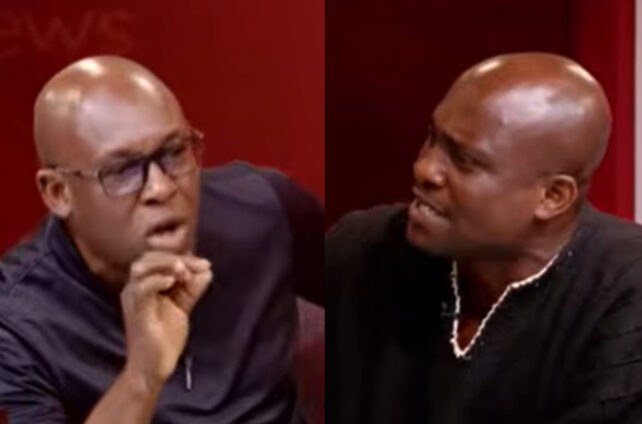
Ghana is facing significant national scrutiny and international reputational damage following the seizure of nearly 3.9 tonnes of suspected cocaine by French customs at the Port of Dunkirk on September 10. The massive consignment, valued at approximately €225 million, was found concealed in a container declared to contain plastic waste, which had originated from Ghana. This incident has triggered a heated national debate among key figures regarding port security, accountability, and the country's role in the international drug trade.
The incident sparked a direct confrontation on JoyNews’ Newsfile, involving Bernard Bediako Baidoo, Member of Parliament for Akwatia, and Kofi Bentil, lawyer and Vice President of IMANI Africa. Mr. Bentil vehemently questioned how such a large quantity of illicit narcotics could bypass Ghana’s port security and customs checks without detection, only to be intercepted by French authorities. He described the seizure as “scandalous” and deeply embarrassing for Ghana, particularly given its portrayal as a stable and well-governed country in West Africa. Bentil argued that the sheer volume of the shipment suggested that those behind it expected it to pass through without scrutiny, implying potential complicity or significant weaknesses within the system. He called for the immediate arrest and investigation of everyone involved in the handling chain of the container, asserting that if he were in a position of power, such action would be taken. Furthermore, Mr. Bentil criticized President John Dramani Mahama’s meetings with security officials, suggesting the focus should be on demanding answers from those responsible for allowing the shipment to leave Ghana, rather than merely holding discussions. He also questioned the priorities of national security agencies, arguing that their resources should target serious threats like organized drug trafficking instead of physical development control.
In contrast, MP Bernard Bediako Baidoo rejected attempts to solely blame the government before investigations were complete. He attributed the increasing frequency of such seizures to the exclusion of the Narcotics Control Commission (NACOC) from routine checks at Ghana's ports. Baidoo linked this change to a directive issued in 2018 following a meeting convened by then Vice President Dr. Mahamudu Bawumia, which he claimed led to reduced inspection levels and NACOC's removal from routine port duties. He argued that NACOC’s specialized expertise is crucial and necessary alongside the scanning and inspection functions performed by other agencies like the Ghana Revenue Authority (GRA). Baidoo maintained that NACOC’s permanent presence in routine checks would have likely prevented the consignment from passing through the port undetected.
Adding to the chorus of concern, Enoch Anhwere Afoakwa, a private legal practitioner and member of the NPP Legal Team, stated that Ghana’s growing association with cocaine trafficking is severely damaging its international reputation. He remarked that the country risks being perceived by the international community as a “cocaine coast” rather than the “Gold Coast.” Afoakwa emphasized the need for a serious national security response, questioning the effectiveness of current port security measures and the accountability of supervising officials. He urged authorities to move beyond targeting