Political Firestorm! Parliament Rejects Recall Amidst Massive Cocaine Shipment Scandal
Wa West MP Peter Lanchene Toobu has opposed recalling Parliament to probe a 3.9-tonne cocaine shipment, arguing existing committees suffice and focus should be on systemic reforms. His comments align with President Mahama's formation of an inter-agency task force to develop anti-drug trafficking strategies. Ten individuals, including Customs officers, remain under investigation.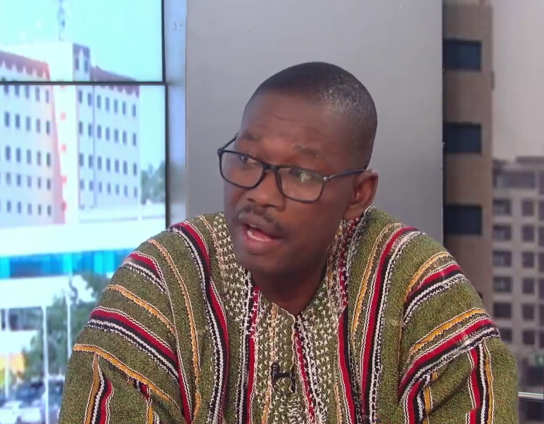
Peter Lanchene Toobu, the Vice Chairman of Parliament’s Defence and Interior Committee and Member of Parliament for Wa West, has firmly rejected proposals to recall Parliament to investigate the recent shipment of nearly 3.9 tonnes of cocaine with alleged links to Ghana. These calls, primarily from the Minority in Parliament, who petitioned Speaker Alban Bagbin, argued that the significant drug seizures constitute an urgent national security concern necessitating direct parliamentary oversight. However, speaking on September 19, Mr. Toobu asserted that such a recall would not inherently bolster oversight mechanisms. He posited that the existing parliamentary committees, specifically the Defence and Interior, Transport, and Trade and Industry committees, already possess the necessary oversight responsibilities pertinent to the drug shipment and are fully capable of undertaking the required work even while the House is in recess.
Mr. Toobu critically distinguished between effective oversight and what he termed "micromanagement." He warned against the reactive approach of waiting for a crisis to erupt before establishing bipartisan committees to inquire into matters, stating that this shifts parliamentary efforts from legitimate oversight into micromanagement of various institutions. He advocated for a proactive approach where parliamentary oversight scrutinizes foundational policies, budgetary allocations, and institutional operations consistently, rather than merely responding after a crisis has manifested.
Furthermore, Mr. Toobu underscored the importance of addressing systemic weaknesses within the governmental and security structures rather than solely focusing on the removal of individuals. He explicitly stated, “You don’t correct the system by firing people,” emphasizing that sustainable solutions require a deeper look into the underlying issues. He expressed strong support for initiatives aimed at developing a comprehensive framework to enhance coordination among Ghana’s security agencies, thereby strengthening the nation's overall response to drug trafficking.
This stance aligns with recent executive actions to combat drug-related crimes. President John Dramani Mahama has already directed the formation of an inter-agency task force. This task force, convened following an urgent meeting with security chiefs and relevant ministers, is mandated to develop a precise roadmap for preventing drug trafficking through Ghana’s borders. It has been given a strict two-week deadline to submit its recommendations. In the interim, investigations into the cocaine shipment are ongoing, with ten individuals, including four officers from the Customs Division of the Ghana Revenue Authority, currently in custody.