Ghana's AKSA Bribery Scandal Sparks Probe Calls and Judgment Debt Fears
The Aksa bribery scandal in Ghana has triggered a sharp debate over whether the Office of the Special Prosecutor or the Economic and Organised Crime Office should lead investigations, with an MP advocating for the former due to its mandate on public officials. Calls are also mounting for a public inquiry into systemic corruption, while the Deputy Attorney General cautions against hasty contract cancellation and assures full accountability for all implicated.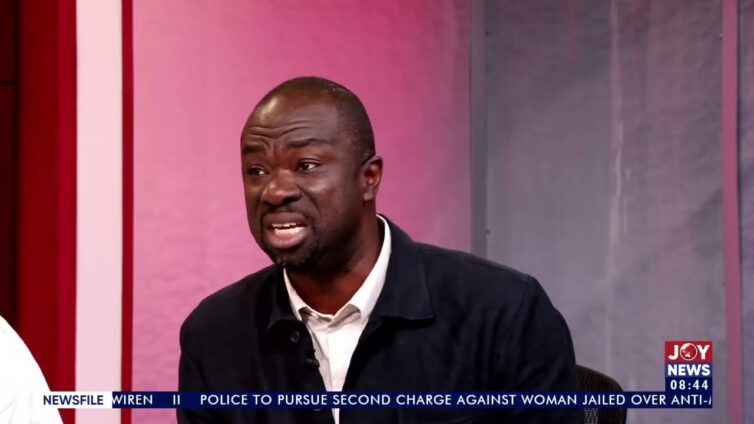
The conviction of Kwaku Asante Berko, a former Goldman Sachs banker and Managing Director of the Tema Oil Refinery, in the United States over bribery involving foreign officials in connection with a power project has intensified scrutiny of the AKSA scandal in Ghana.
The development has triggered debate over which anti-corruption body should lead the local investigation, with Manhyia South MP Nana Agyei Baffour Awuah arguing that the Office of the Special Prosecutor (OSP) is better suited, particularly because the allegations involve former public officials and politically exposed persons.
Deputy Attorney General Dr. Justice Srem-Sai, however, defended the Economic and Organised Crime Office (EOCO), explaining that the case may involve money laundering alongside bribery and stressing that the two institutions have complementary mandates.
Nana Awuah has also called for an independent public inquiry, arguing that prosecuting individuals alone would not address the systemic weaknesses that repeatedly expose Ghana to corruption. He pointed to previous scandals involving foreign companies, including Mabey and Johnson and Airbus, as evidence that procurement, oversight and anti-corruption safeguards require deeper scrutiny.
Meanwhile, Dr. Srem-Sai has warned against prematurely terminating the AKSA power agreement, saying the government could expose itself to a potentially costly judgment debt if it cancels the contract without establishing a sound legal basis.
Dr. Srem-Sai maintained that bribery and fraud are legally distinct and that investigators must determine whether the agreement was procured through fraud before any decision on its validity can be made.
He also rejected concerns that President John Dramani Mahama would shield individuals implicated in the investigation, insisting that evidence, rather than political considerations, should determine who faces prosecution.
Nana Awuah, meanwhile, defended the NPP's criticism of Attorney General Dr. Dominic Ayine, citing the Unibank case as an example of what he described as insufficient transparency in major prosecutorial decisions.