GHANA MUST GO: The Ugly History Behind West Africa's Favourite Migration Bag
In 1983, Nigeria expelled over a million Ghanaians in two weeks. But Ghana had expelled 140,000 Nigerians in 1969. Neither country has ever apologised. The checkered bag that carried everything home became the most famous migration symbol in West Africa. This is that story.
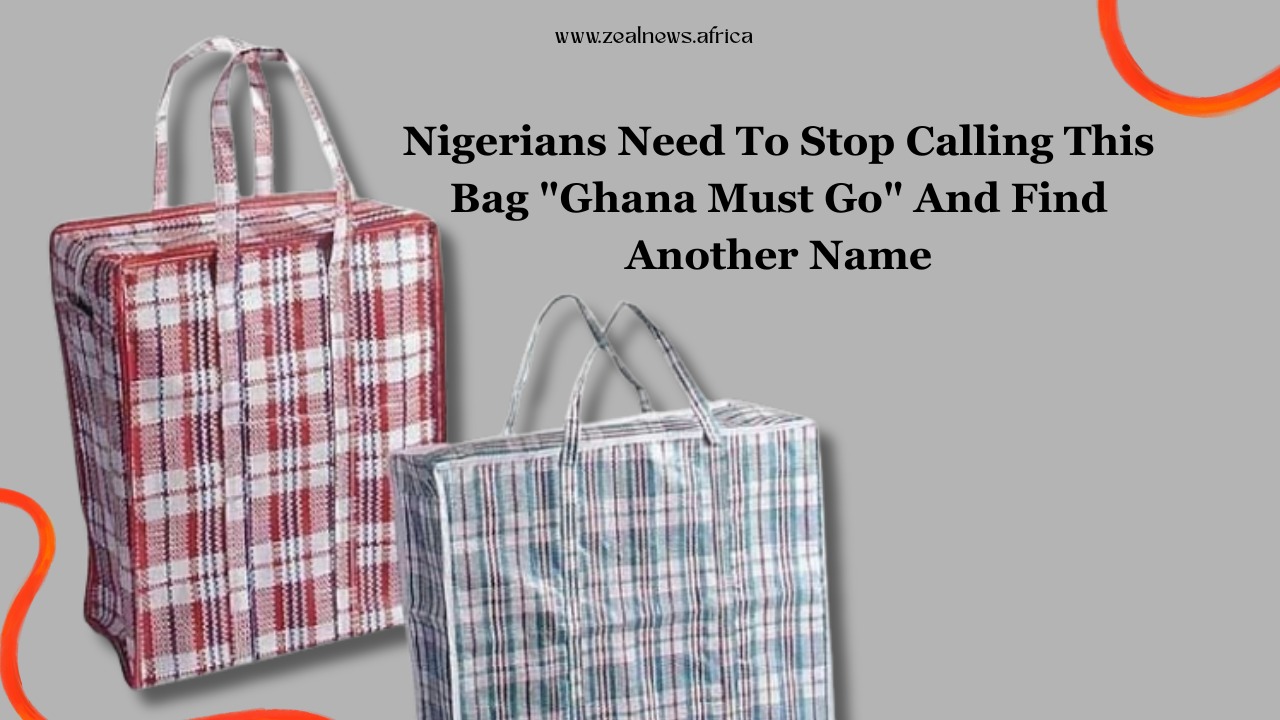
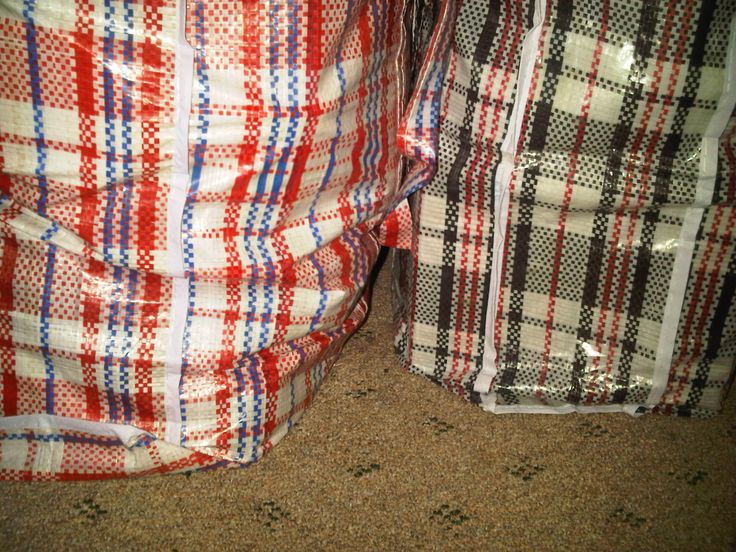
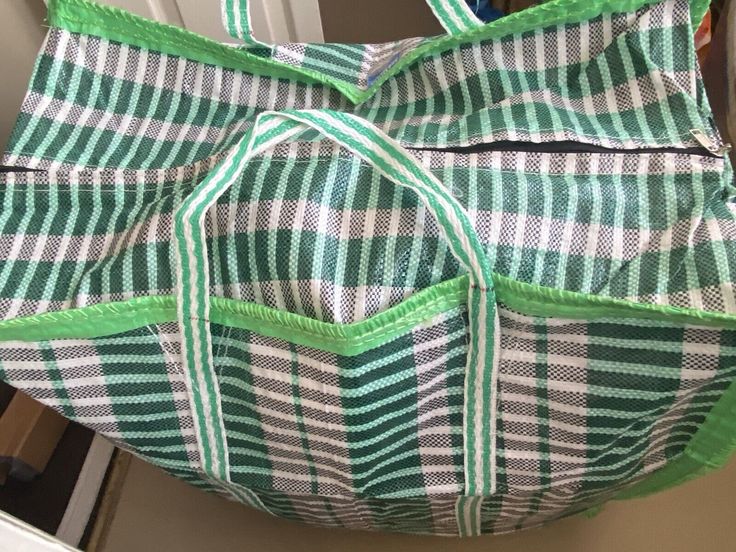
You have seen it your whole life. That loud, checkered red, blue, and white woven bag. It is in every Nigerian market. It is how your family moved house. It is how your mother packed things she was sending to relatives upcountry. It is so ordinary and so everywhere that nobody stops to ask the most obvious question about it.
Why is it called Ghana Must Go?
The answer is one of the most painful, most ironic, and most instructive stories in West African history. And right now, as Ghanaians are pointing fingers at Nigerians and South Africans are attacking everyone who was not born on their soil, it is exactly the right time to tell it properly.
When Nigeria Was the Promised Land
To understand 1983, you have to understand the 1970s. Nigeria in the 1970s was not the country people complain about today. It was something else entirely. Oil had been discovered in 1958 and by the early 1970s, crude prices were going through the roof. By the 1970s, Nigeria had become Africa's economic powerhouse, its oil wells producing an astonishing 2.3 million barrels daily.
Lagos was electric, and jobs were plentiful. The naira was strong. And people from across West Africa, particularly Ghana, packed whatever they had and moved to Nigeria chasing a better life. They came as labourers, teachers, traders, architects, doctors, and lawyers. Ghanaians were pushed by unbearable economic conditions at home to seek refuge in Nigeria, which was widely known as West Africa's economic utopia at the time.
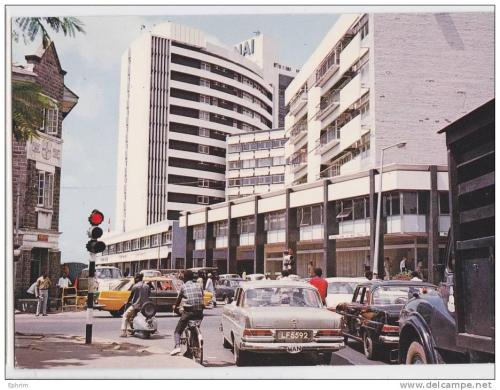
They built lives there. Real ones. Some had been in Nigeria for a decade or more. Their children went to Nigerian schools. They had Nigerian friends, Nigerian landlords, Nigerian colleagues. They ate in Nigerian markets, prayed in Nigerian churches and mosques, and contributed to the economy that was booming around them.
Then the oil crashed.
Global oil prices started to dip in 1982, when large consumer markets such as the United States and Canada slipped into recession and demand was low. By 1983, the price of a barrel had fallen to $29, down from $37 in 1980. Nigeria, its economy almost exclusively reliant on oil, was hard hit. By 1982, 90% of the country's foreign reserves had been wiped out.
When a government cannot explain its own failure, it finds someone else to blame. Nigeria's politicians found the immigrants.
January 17, 1983. Two Weeks to Leave or Face Jail.
The bags used to be nameless in Nigeria, until January 17, 1983, when the bags were wanted in Lagos markets with an intensity never experienced before.
That was the day President Shehu Shagari announced that every undocumented migrant in Nigeria had two weeks to leave the country or face arrest. An estimated two million people were expelled in a dramatic exodus, marked by chaos and heartbreak. Half of them were Ghanaian. People who had built entire lives in Nigeria, some of them for over a decade, were given fourteen days to dismantle everything and go.
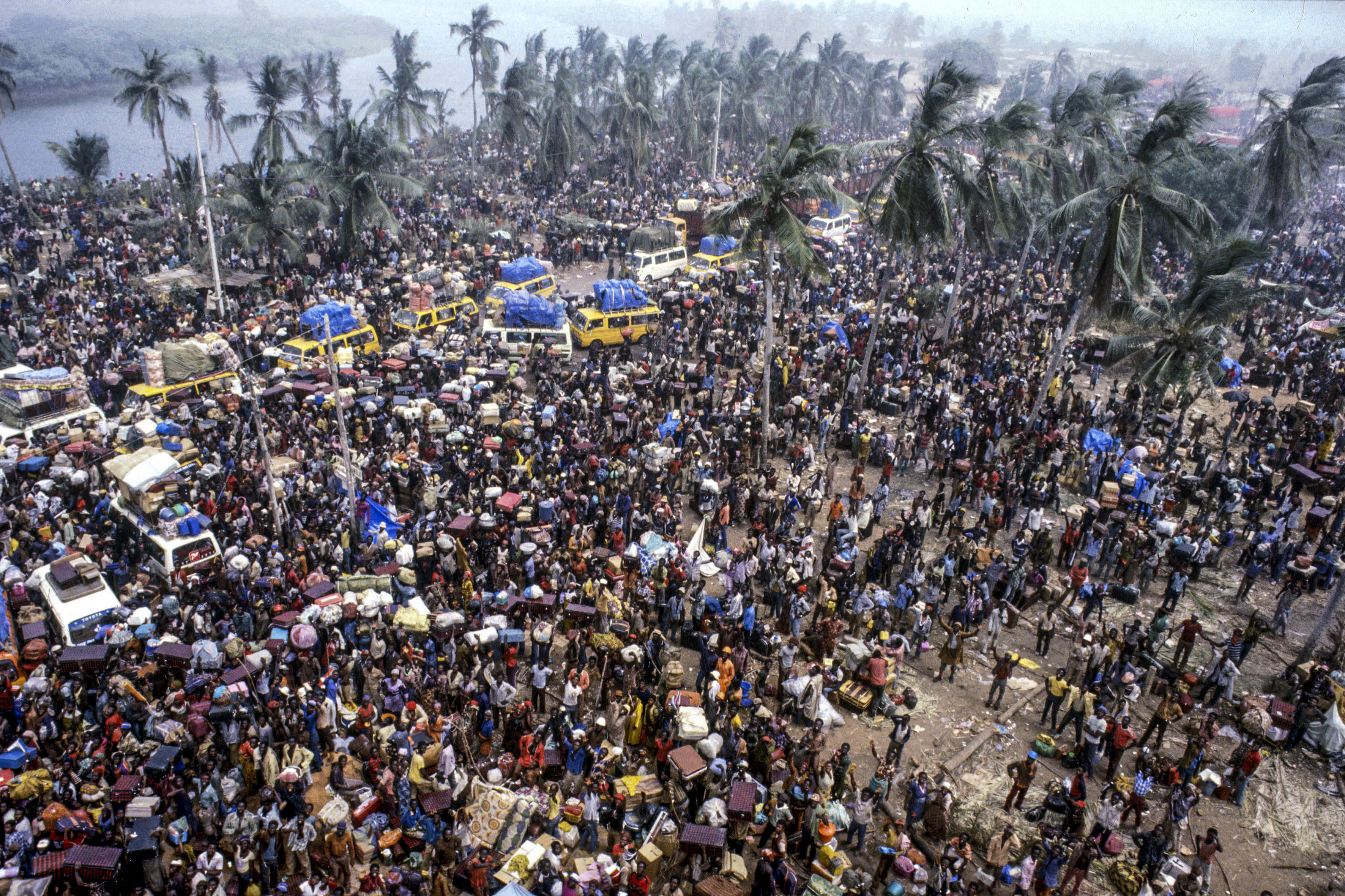
Nigerian police physically harmed immigrants, beating and gassing them, in the hope that they would depart immediately. There was no grace. No formal process. No acknowledgement of the years these people had spent contributing to the country now rejecting them.
What happened next at the borders is the part that history books leave out. The then head of state in Ghana, Flight Lieutenant Jerry John Rawlings, blocked all entrances from Togo into Ghana, citing security considerations.
All Ghanaians crossing by road needed to pass from Nigeria into Benin, then Benin into Togo, and finally from Togo into Ghana. They mostly made it to Benin and were stranded.Benin became an open-air refugee camp. People were sick, children were hungry. International aid agencies had to intervene.
History
Rewind the Stories that Made Africa, Africa
A Journey Through Time, Narrated with Insight.
After they had been stranded for more than a week, Ghana reopened its borders, causing Togo to do likewise so that the Ghanaians could return home. Rawlings also sent ships to Cotonou to reduce the number travelling by road.
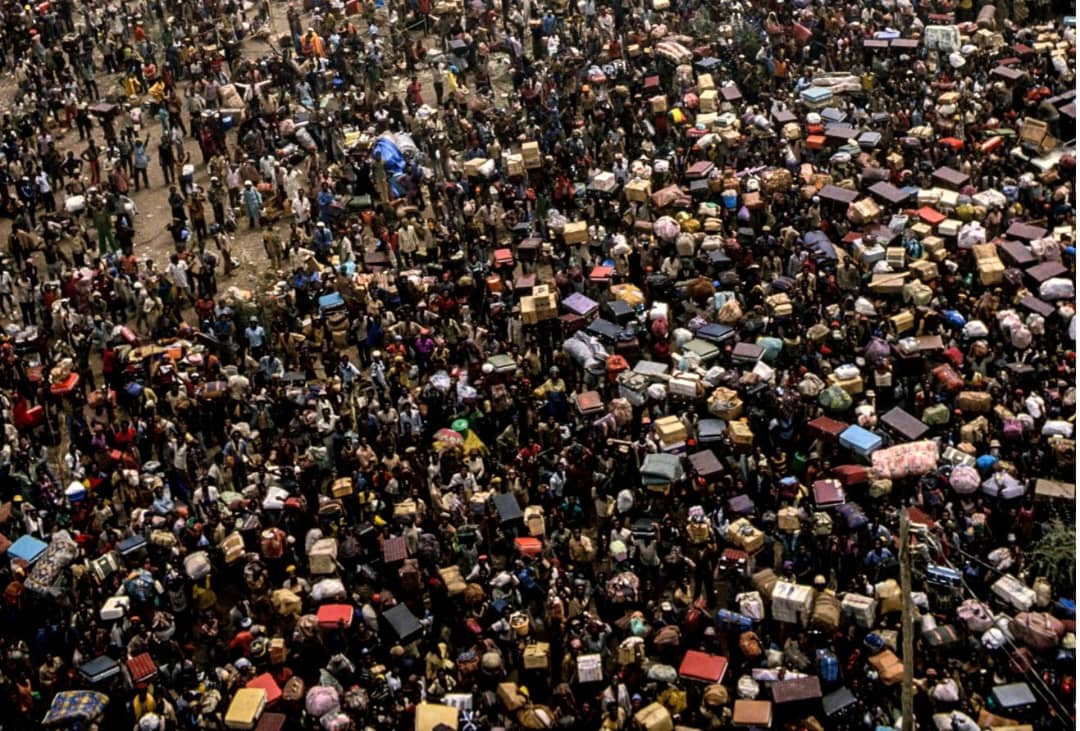
And those big, sturdy, spacious checkered bags that Ghanaians had bought in Lagos markets to pack their lives into? They got a name during that crossing. A name that has never left them. The phrase Ghana Must Go originated from the cheap, checkered bags that many Ghanaians used to pack their belongings during their abrupt departure.
The bag did not start the story. It just carried it home.
But Ghana Did It First. And Nigeria Did It Twice.
Here is the part that the current conversation about Nigerians being asked to leave Ghana conveniently forgets.
Ghana expelled Nigerians first. In 1969, Ghana's Prime Minister Kofi Abrefa Busia issued the Aliens Compliance Order, which gave all undocumented foreigners in Ghana two weeks to leave. Around 140,000 Nigerians had been abruptly forced to leave Ghana.

The reasons were the same ones they always are: economic pressure, political posturing ahead of elections, and the oldest trick in the governance manual, blame the outsider.
Nigeria returned the favour in 1983 with interest. Two million people instead of 140,000. Then Nigeria did it again. In 1985, then military ruler General Muhammadu Buhari announced another expulsion, this time of all foreigners including those who had residence permits. About 700,000 were again forced out.
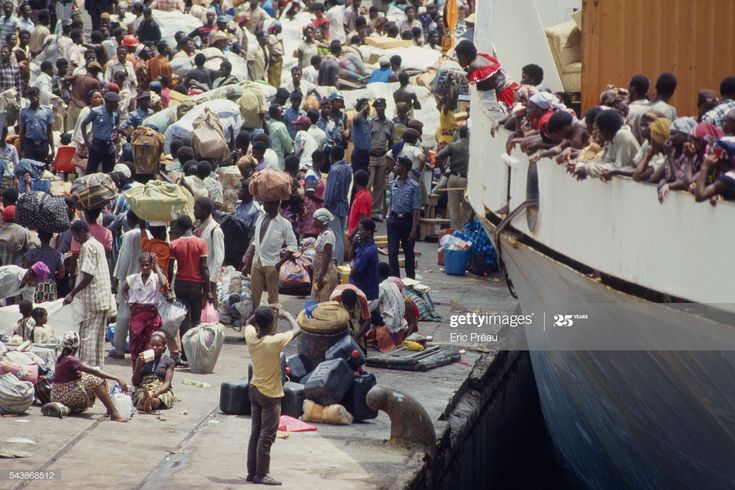
Two expulsions from Nigeria. One from Ghana. Back and forth. Tit for tat. Governments failing their own people and pointing at the foreigners to distract from the failure.
Nigeria has never officially apologised to Ghana for 1983 and 1985. Ghana has never officially apologised for 1969.The wound has never been formally acknowledged by either side. And so it festers quietly beneath the surface of every tense moment between the two countries, including the ones happening right now.
But according to Mail and guardian, Ghana’s banning order, meanwhile, was a betrayal of Nkrumah’s lauded pan-Africanism. For a younger generation, the tension is often expressed in friendly social media banter, and in debates on which country has the better accent or cooks the better jollof rice — a West African delicacy.
The young ones do not remember much about the expulsions, apart from what their parents have told them, nor do they feel particularly vindictive. But the thoughts of “Ghana must go” linger. “Nigeria chased us away, and now we’re doing better,” a young, Accra-based journalist said matter-of-factly.
What the Bag Became and What It Still Means
The Ghana Must Go bag did not stay a symbol of shame. Over time, and in the way that only African creativity can manage, it was reclaimed.
In Ghana, the bag has a name in the Akan language, since Ghanaians do not want to ridicule themselves or remind themselves of the past. It goes by efiewura suame, meaning Landlord, help me carry my bag.
That name alone tells you everything about how Ghanaians chose to carry the memory. Not with bitterness, but with a dry, dignified humour that says we survived this and we named it ourselves.
The bag went global. Worldwide, the bag has a variety of other names associating it with migrants. In Germany it is called the Türkenkoffer, meaning Turkish suitcase. In the US, it is the Chinatown tote. In Guyana, the Guyanese Samsonite. In various other places, the refugee bag.
History
Rewind the Stories that Made Africa, Africa
A Journey Through Time, Narrated with Insight.
Every name is a different community's experience of the same thing: packing your life into a cheap bag because someone decided you no longer belonged.
What All of This Should Be Teaching Us Right Now
Ghana is currently pointing at Nigerians and saying leave. South Africa is attacking Zimbabweans, Nigerians, Mozambicans. A Kenyan president is apparently nodding along. And somewhere in all of this noise, nobody is stopping to read the history that is sitting right in front of them, in a bag pattern that every West African recognises on sight.
Every single time an African government has expelled foreign nationals, it has been during a period of economic failure. The foreigners did not cause the failure. They just made a convenient target for leaders who needed someone else to blame.
There is little evidence to suggest that the absence of foreigners leads to a healthier economy. The Ghanaians left Nigeria in 1983 and Nigeria's economy did not recover. The Nigerians left Ghana in 1969 and Ghana's economy did not improve. The pattern has never worked. It has only ever hurt people.
The Ghana Must Go bag is not just a shopping bag. It is a 40-year-old lesson about what happens when governments fail their people and choose spectacle over solutions. It is a reminder that the same countries now demanding that Nigerians leave have been welcomed by Nigerians, housed by Nigerians, and in Ghana's specific case, sent packing by Nigerians and came back anyway because West Africa has always been too interconnected to be separated by one government's bad decision.
We have been here before. We know exactly how it ends.
---