George R.R. Martin Slams 'A Knight of the Seven Kingdoms' Amid Game of Thrones Spin-Off Debate
George R.R. Martin's new HBO prequel, *A Knight of the Seven Kingdoms*, marks a significant tonal shift in the Westeros universe, moving away from the grand political intrigue and dragon-fueled power struggles of *Game of Thrones*. The series instead focuses on the grounded adventures of a humble hedge knight and his squire, prompting questions about audience expectations and the sustainability of a 'smaller' story within this epic fantasy world.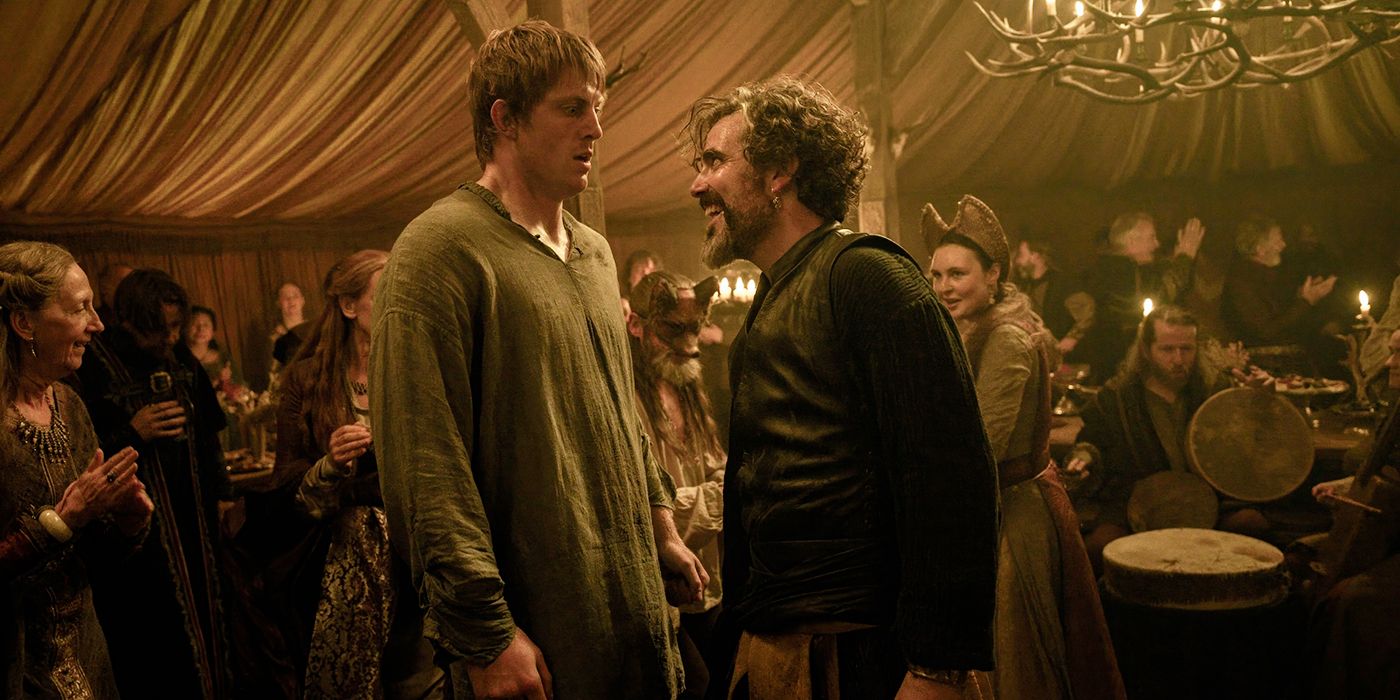
George R.R. Martin, the creator of the sprawling Game of Thrones universe, is steering HBO’s latest prequel, A Knight of the Seven Kingdoms, in a markedly different direction. Departing from the ruthless political maneuvering and dragon-driven power struggles that defined its predecessor, Martin invites viewers to turn their attention to the “smallfolk” of Westeros rather than the elite houses locked in conflict over the Iron Throne.
This tonal pivot may be creatively fulfilling for the author, but it presents a notable adjustment for audiences conditioned to high-stakes drama fueled by ambition, prophecy, and unchecked power. Where Game of Thrones thrived on spectacle and moral excess, this new series embraces restraint, intimacy, and a quieter sense of purpose.
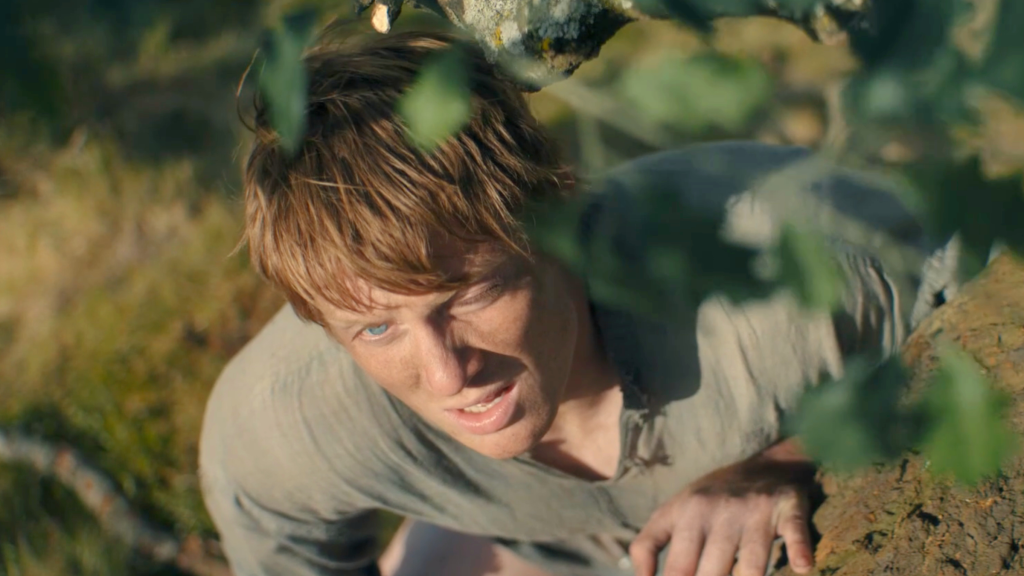
Dunk and Egg: A Ground-Level View of Westeros
Set roughly a century before Game of Thrones, in the aftermath of the Dance of the Dragons, the series follows Ser Duncan “Dunk” the Tall (Peter Claffey), a good-hearted but unsophisticated hedge knight seeking modest glory at a tourney. Along the way, he acquires a sharp-witted, bald-headed squire known as Egg (Dexter Sol Ansell), forming an unlikely partnership rooted in survival rather than destiny.
Co-created by Martin and showrunner Ira Parker, A Knight of the Seven Kingdoms consciously avoids grand spectacle and dynastic obsession. Instead of god-complexed nobles and incestuous intrigue, the narrative focuses on the everyday struggles of common men navigating a harsh, indifferent world. Martin has stated that the original Dunk and Egg novellas were written as a creative exercise to explore the lives of those without titles, power, or claims to greatness—an ethos the series faithfully preserves.
Smaller Stakes, Bigger Questions
By design, A Knight of the Seven Kingdoms lowers the narrative ceiling. Parker has described Dunk as “plain,” “simple,” and lacking “flash,” qualities that define both the protagonist and the series as a whole. The show leans into a gritty medieval realism reminiscent of “14th-century Britain,” emphasizing the physical toll and moral ambiguity of knighthood with what Parker calls a “hard-nosed, grind-it-out” approach, softened by moments of hope and humanity.
Early critical responses have acknowledged the show’s sincerity and craftsmanship but raised concerns about its subdued pacing and limited dramatic escalation. Without dragons, grand conspiracies, or apocalyptic stakes, the series risks feeling slight when measured against HBO’s larger fantasy legacy. Still, its commitment to a bottom-up perspective offers a thoughtful counterpoint to the excesses of Game of Thrones, asking whether quiet integrity and lived experience can be just as compelling as fire and blood.