Gen Z's Superpower in an AI Economy: Why Being Adaptable Beats Being Specialized
In an AI-driven economy, Gen Z’s adaptability—not narrow specialization—is the real edge. Why flexibility, fast learning, and diverse skills matter more now.
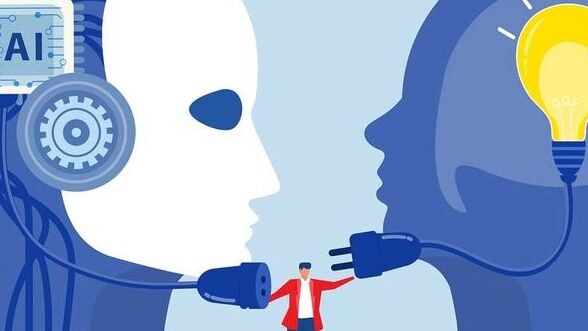
Gen Z's Superpower in an AI Economy: Why Being Adaptable Beats Being Specialized
You know that career advice our parents gave us, the "pick one thing, become an expert, stay loyal to one company for 20 years" advice? Yeah, It doesn’t work anymore.
In this economy, you are likely juggling freelance gigs, a 9-to-5, and a side hustle, wondering if you are doing it all wrong. Spoiler alert: you are not.
While the IMF predicts AI will drive global economic growth in 2026 despite trade tensions, the real question for us is how do we actually benefit from this AI boom when we are just trying to make rent?
The answer might surprise you. That thing everyone says is Gen Z's weakness, our inability to "stick with one thing," might just be our greatest strength in an AI-driven economy.
The Old Playbook Is Dead
Remember when becoming a specialist was the goal? Spend years mastering one skill, become the go-to expert, and secure your bag. That made sense when industries stayed stable for decades.
But AI is moving too fast for that playbook. The graphic designer who spent three years perfecting their Photoshop skills now watches AI generate logos in seconds.
The junior developer who learned a specific coding language finds it is semi-obsolete by the time they get good at it. The content writer sees AI chatbot churning out articles faster than they can type.
The truth remains that in an AI economy, deep specialization in one narrow skill is risky. You are basically putting all your career eggs in one basket, hoping AI doesn't learn to do it better, faster, and cheaper.
And in Africa, where we are often already navigating unstable economies, unreliable infrastructure, and limited job security, that risk hits differently.
What We're Already Doing Right
The thing is, Gen Z has been training for this economy without even realizing it.
We have grown up adapting. Internet network turns bad mid-Zoom call? We walk a little distance to get a better network and keep it moving. If the job market is tough, we create our own opportunities through freelancing, content creation, and small businesses.
One income stream isn't enough? We stack multiple hustles because we learned early that relying on one source of income is dangerous.
This might seem like ultra-survival mode but on the bright side, it is actually the perfect skill set for an AI economy.
Think about it. You probably know someone who doessocial media managementfor a brand, runs a small online store, and tutors students on the side. Now, that is a diversified portfolio.
If AI disrupts one income stream, they have got two others. If one industry slows down, they pivot to where the opportunities are.
We are also really good at learning things quickly. We don't wait for formal education to catch up — we learn what we need, when we need it.
And let's talk about job-hopping. Older generations see it as disloyalty. We see it as growth. Every new job teaches you new systems, new people, new ways of solving problems. You are just building a diverse skill set and learning to adapt to different environments quickly.
That ability to adapt? That's currency in an AI economy.
The Skills AI Can't Touch (Yet)
AI is impressive, but it is also narrow. It can do specific tasks really well, but it struggles with the messy, human stuff.

For example, AI can analyze data, but it can't walk into a room, read the energy, and know exactly how to pitch an idea to that specific audience. It can't build the kind of relationships that turn a contact into a genuine collaboration.
It can't navigate the cultural differences of doing business across different African countries, understanding when to be formal versus casual, or knowing which approach works best in different cities.
AI can generate a hundred logo options, but it can't tell you which one will actually resonate with your target audience based on cultural context and current trends. It can write content, but it can't capture the specific voice and vibe that makes your brand feel authentic.
These human skills are where we still have the edge. And the good news? These are skills you build through experience, not necessarily through formal education.
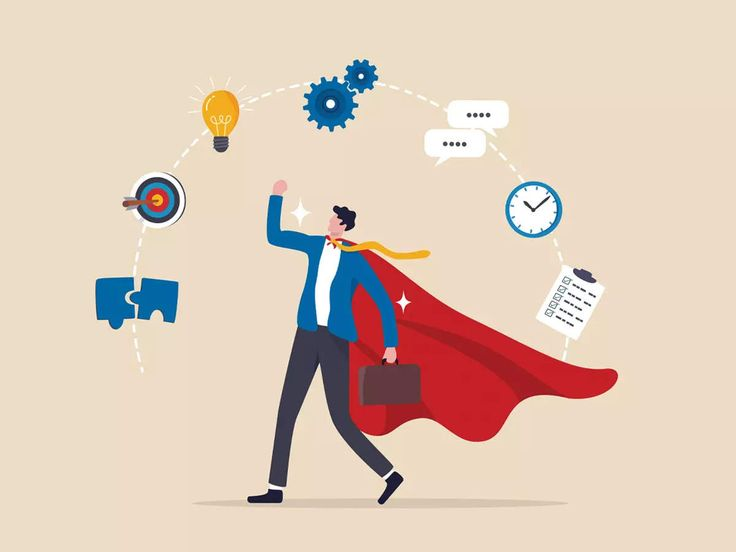
How to Stay Ahead
So how do you actually build adaptability as a skill?
First, think T-shaped. Have broad knowledge across different areas, but go deep in one or two things. Maybe you are really good at video editing, but you also understand basic marketing, can write decent copy, and know how to manage client relationships.
That breadth gives you options. The depth gives you credibility.
Second, learn to learn fast. Develop your own system for picking up new skills quickly. Use AI as a learning tool but don't let it replace your thinking. The goal is to get to "good enough" quickly, then decide if you need to go deeper.
Third, focus on transferable skills. Skills like communication, project management, basic data literacy — these skills work across industries. If one sector collapses, you can take these skills somewhere else.
Fourth, network intentionally. Build relationships with people doing different things. Your network is your safety net. When you need to pivot, these connections show you what opportunities exist and help you get your foot in the door.
What They Don't Tell You
However, constant adaptation can be exhausting. Never feeling settled in your career is stressful. Having to constantly learn new things while trying to pay bills is a lot.
And not everyone has the same ability to pivot. If you are supporting family members, if you are in a location with limited opportunities, if you need the stability of one consistent paycheck, experimentation feels like a luxury you can't afford.
This isn't about glorifying hustle culture or pretending that stress is a badge of honour. It is about recognizing that the economy we are in rewards flexibility, and finding ways to build that flexibility within your own constraints.
The bottom line remains that the AI economy is here, and it is going to keep changing things. But Gen Z, especially those of us navigating African markets where adaptability has always been necessary, we are already built for this.
Your ability to pivot, to learn quickly, to juggle multiple things, to stay flexible is not your weakness. That is your competitive advantage.
So the next time someone asks when you are going to "settle down" in your career, you can smile and tell them you are exactly where you need to be.