Fuel Crisis Alert: NPA Warns of Action if Crude Prices Top $120
Ghana’s National Petroleum Authority warns that sustained global crude oil prices above $120 per barrel could trigger government intervention to protect consumers from rising fuel costs.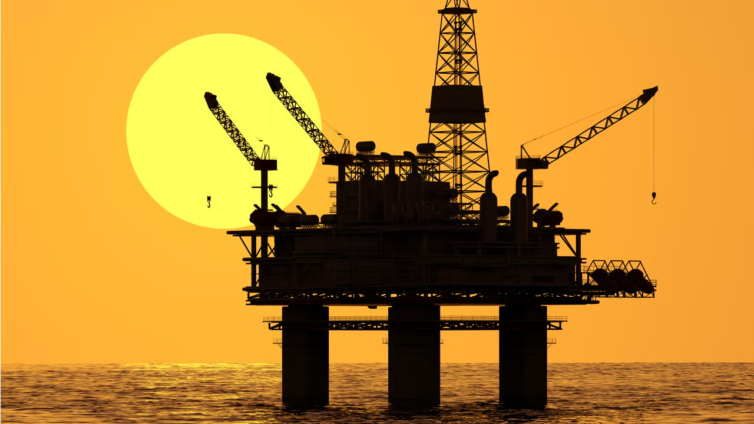
The National Petroleum Authority (NPA) has warned that Ghana may intervene in fuel pricing if global oil prices surge past $120 per barrel.
NPA Chief Executive Godwin Edudzi Tamakloe said authorities are closely watching international markets, stressing that a sustained rise above this threshold would prompt deeper policy discussions at the highest levels of government.
Speaking on PM Express, Tamakloe acknowledged there are no firm assurances on price stability as regulators are still studying how global markets will react.
He added that any major decision may require ministerial or presidential engagement, noting that President John Dramani Mahama is concerned about the impact on consumers.
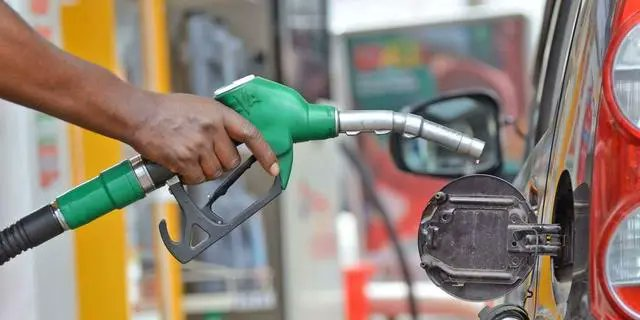
Tamakloe highlighted geopolitical tensions as the most significant threat to fuel price stability in Ghana, citing past conflicts that disrupted crude markets and caused spikes in energy costs.
Ghana relies heavily on imported petroleum, with around 60% of national fuel consumption supplied from abroad, increasing vulnerability to external price shocks.
Local refineries such as Tema Oil Refinery and Sentuo Oil Refinery contribute only a fraction of national demand, processing roughly 5,000–6,000 barrels of crude daily.
Fuel pricing in Ghana is shaped by both foreign exchange rates and Free-On-Board (FOB) crude oil prices, which directly influence the cost of petroleum products at the pump.
Tamokloe’s remarks signal that if crude prices continue rising, government officials may consider interventions to cushion the impact on Ghanaian households and businesses.