FIFA Set to Intervene in NFF Crisis: Seven Crucial Reasons for Nigeria Visit Revealed
FIFA is set to intervene in Nigeria’s football crisis, addressing NFF leadership resignations, electoral disputes, government interference, and governance reforms.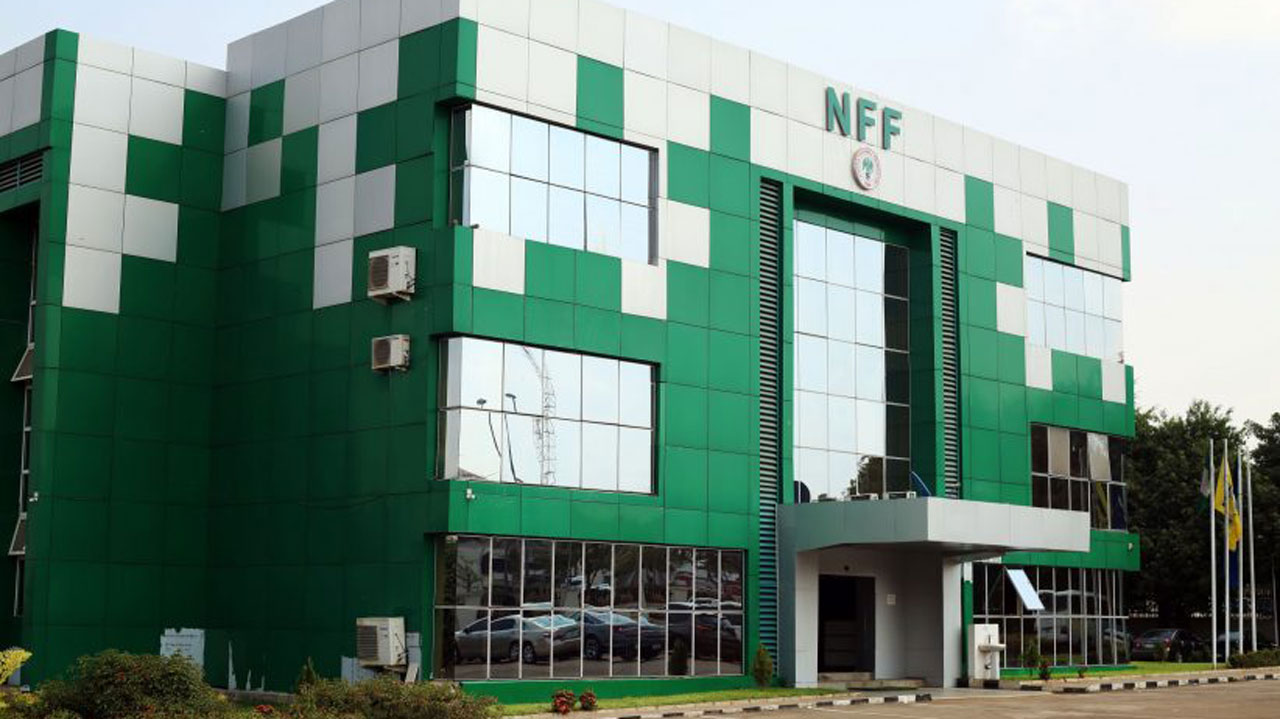
The Nigeria Football Federation (NFF) is currently embroiled in a profound crisis, necessitating the urgent intervention of FIFA, the global football governing body.
FIFA is scheduled to engage Nigerian football authorities and congress members in Abuja to address critical issues concerning the federation’s leadership, governance, and electoral processes. This intervention is crucial for the future stability and integrity of Nigerian football.
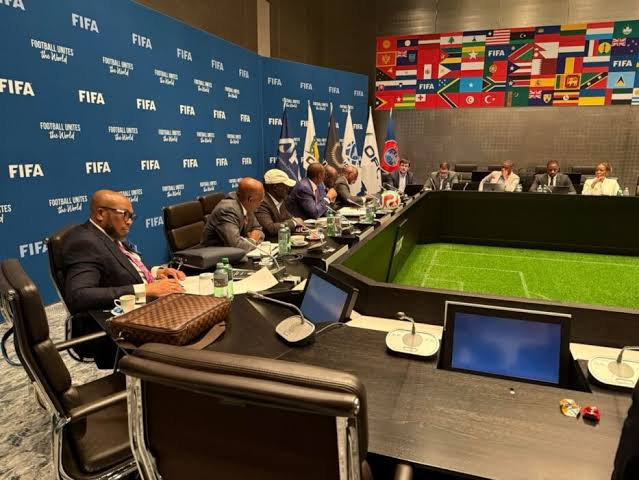
There are seven primary reasons driving FIFA's involvement.
Firstly, the NFF is facing a severe leadership crisis following the resignations of President Ibrahim Gusau and several members of his executive board. This has created a significant leadership vacuum at a pivotal moment.
FIFA's objective is to assess the circumstances surrounding these departures and determine how the NFF can continue to operate effectively and within its established statutes, despite its weakened leadership.
Secondly, the planned NFF elective Congress has become a major point of contention. Significant questions have arisen regarding the electoral process itself, the eligibility and status of delegates, and the legitimacy of any proposed timetable for the elections.
FIFA's involvement is critical to ensure that any future election is conducted with absolute transparency and in strict adherence to the NFF's statutes and FIFA's overarching governance requirements, thereby guaranteeing its legitimacy.
Thirdly, FIFA is scrutinizing the issue of government interference in football administration. The direct involvement of the National Sports Commission (NSC) in matters affecting the NFF and the country’s professional leagues has sparked considerable controversy.
FIFA's statutes explicitly require member associations to manage their affairs independently, free from undue interference by government or other external entities. The visit will allow FIFA to ascertain whether recent governmental actions align with this fundamental principle.
Fourthly, determining the appropriate path for NFF reforms is another key objective. There has been persistent and growing pressure for fundamental changes to how Nigerian football is administered.
Both the Federal Government and the NSC have advocated for significant reforms, while various stakeholders have presented competing proposals concerning elections, representation, and accountability. FIFA's role will be instrumental in identifying and integrating reforms that are compatible with the international football governance framework.
Fifthly, clarifying the status of the NFF Congress is paramount. The Congress serves as the federation’s supreme decision-making body and is central to resolving the current crisis.
However, disagreements over its composition, the status of its delegates, and the proposed electoral process have complicated efforts to restore normalcy.
FIFA aims to engage relevant stakeholders to establish a lawful and acceptable pathway towards a fully functioning Congress.
Sixthly, FIFA is determined to prevent a prolonged governance crisis from negatively impacting Nigerian football. The current NFF crisis coincides with a sensitive period for the country’s national teams; the Super Eagles recently failed to qualify for the 2026 FIFA World Cup, and the Super Falcons, along with other national teams, have crucial international assignments ahead.
A protracted administrative dispute could severely hamper preparations, funding, technical appointments, and the day-to-day operations of these teams. Therefore, FIFA has a vested interest in resolving the dispute to prevent the paralysis of Nigerian football.
Finally, and perhaps most significantly, FIFA’s intervention is intended to prevent the situation from escalating into a formal dispute that could trigger severe sanctions.
FIFA has consistently emphasized that national associations must operate in accordance with their statutes and remain free from improper external interference.
Rather than allowing the Nigerian situation to deteriorate into a direct confrontation, FIFA's engagement seeks to establish a negotiated pathway involving the Federal Government, NSC, NFF Congress, and other key stakeholders.

This approach aims to restore an elected and functional NFF that simultaneously satisfies FIFA’s stringent governance requirements.
Ultimately, FIFA’s arrival in Nigeria transcends the immediate future of individual officials. It addresses fundamental questions regarding the control of Nigerian football, the governance structure of the NFF, the legitimate authority to organize its elections, and the permissible extent of government intervention in restructuring the country’s football administration.
The NFF crisis has evolved beyond an internal power struggle, becoming a critical matter of football governance that the global body can no longer afford to disregard.