Mali Stuns Spain as Africa Makes Noise at Women’s Basketball World Cup
The Women's Basketball World Cup commenced with Mali achieving a historic upset against Spain, while host Germany delivered a dominant performance over Japan. Hungary also secured a narrow victory against Nigeria, creating a compelling and tied Group A in the early stages of the tournament.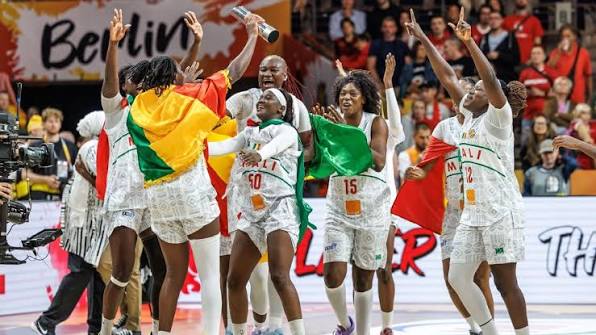
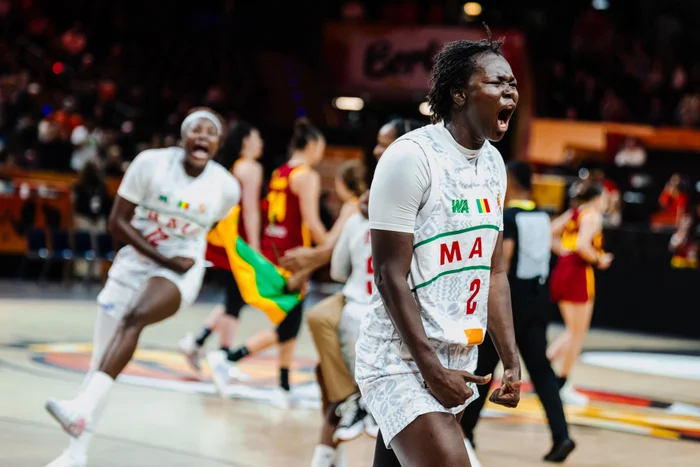
Mali has produced one of the biggest surprises of the 2026 FIBA Women’s Basketball World Cup, beating Spain 82–73 in Berlin for only the second World Cup victory in the country’s history.
The result was a major upset against a Spain side ranked among the world’s strongest teams. Mali trailed by two points at halftime before turning the game around in the third quarter, outscoring Spain 31–19.
Sika Kone led the charge with 19 points and 10 rebounds, while Djeneba N’Diaye also finished with 19 points. Kone hit two three-pointers during a decisive 16–4 run that changed the game.
Mali never gave Spain a way back after that.
It was only the country's second win at the tournament. The first came in 2010, when Mali beat Senegal in overtime.
Mali's win was not the only surprise
The opening days in Berlin have already produced several results that were difficult to predict.
Germany beat Japan 74–58 in front of a sold-out home crowd, while Hungary defeated Nigeria 71–67 to record its first World Cup victory since 1998.
Germany took control immediately, opening the game with a 28–11 first quarter. Japan, which had made 20 three-pointers against Mali in its opening game, struggled to find the same shooting rhythm and finished just 3-for-27 from beyond the arc.
Frieda Bühner led Germany with 19 points, while Nyara Sabally added 18.
For Hungary, Dorka Juhász produced 19 points and 16 rebounds against Nigeria. The Hungarians appeared to have the game under control at 66–52 with less than four minutes left, but Nigeria nearly pulled off a remarkable comeback.
The D’Tigress cut the deficit to two points with three seconds remaining after Elizabeth Balogun scored.
Hungary held its nerve, with Réka Lelik making two free throws after being fouled with just over a second left.
Nigeria still has work to do
The loss left Nigeria facing a difficult route through Group B.
The D’Tigress then suffered another defeat against South Korea, losing 99–81. Amy Okonkwo has been one of Nigeria's leading scorers, but the team now enters its final group game against France with its qualification hopes under serious pressure.
The tournament format gives the group phase plenty of room for movement. The four group winners advance directly to the quarter-finals, while the teams finishing second and third enter a knockout qualification round for the remaining quarter-final places.
Nigeria therefore cannot afford another slow start.
Mali has already changed the mood
Mali's upset has given the African contingent one of the tournament's early headline moments.
The victory also showed why the expanded 16-team World Cup can produce unfamiliar matchups and unexpected results. Mali entered the tournament without the same international reputation as Spain, but its performance in Berlin turned the game into something else entirely once the third quarter began.
There was another twist soon after.

Japan responded by beating Mali 102–97, handing the African side its second loss of the group stage. Spain also bounced back by beating host Germany 83–53.
That leaves Group A wide open heading into the final day of group play.
For Mali, the challenge now is to build on the Spain victory rather than allow it to become the tournament's one memorable afternoon.
For Nigeria, the situation is more urgent.
The D’Tigress need a result against France as the group phase reaches its final day.
And for Africa, Mali has already made sure this World Cup will not pass quietly.