Famous African Tribes in East and Southern Africa You Should Know About Their Culture
Read about famous African tribes in East and Southern Africa, their cultures, languages, traditions, and unique identities that continue to shape the continent’s rich heritage.
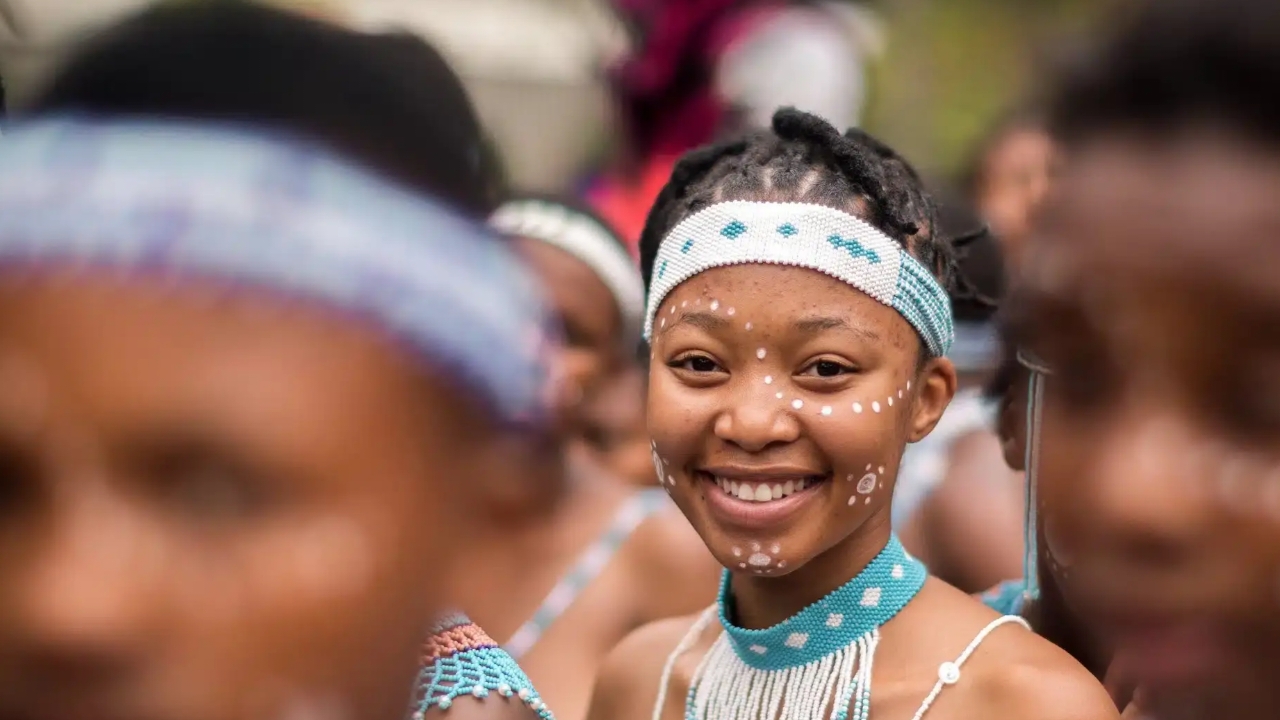
Africa is not a single story or a single entity as being painted, it's a continent of 54 independent nations. It is a continent layered with histories, identities, and cultures that predate modern borders by centuries.
East and Southern Africa, in particular, are home to some of the most culturally distinct and historically resilient tribes on the continent, communities whose traditions have survived colonial disruption, globalization, the pressure to assimilate and are still standing tall today.
Today we would place a spotlight on some of these tribes, not as museum artifacts frozen in time, but as living cultures that continue to shape identity, language, art, and social systems in the modern world. From pastoral warriors to hunter-gatherers, from body art to oral tradition, these tribes offer a deeper understanding of Africa beyond headlines and stereotypes.
Tribes, Languages, and Cultural Identity
1. Maasai — Kenya and Tanzania
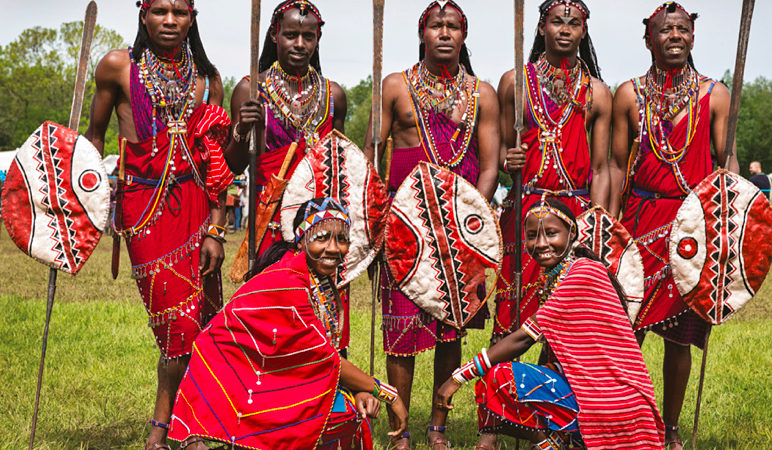
The Maasai tribe are arguably one of the most globally recognized African tribes. Known for their striking red shúkà clothing, beadwork, and warrior traditions, the Maasai are semi-nomadic pastoralists whose lives revolve around cattle, which symbolize wealth, sustenance, and social status.
They speak Maa, a Nilotic language, alongside Swahili and English in modern contexts. One of their most fascinating cultural elements is the age-set system, where individuals move through life stages together, gaining responsibilities and status collectively. Their famous jumping dance, Adumu, is not merely performance—it reflects strength, endurance, and social standing.
Culture
Read Between the Lines of African Society
Your Gateway to Africa's Untold Cultural Narratives.
2. Hadza — Tanzania (Lake Eyasi)
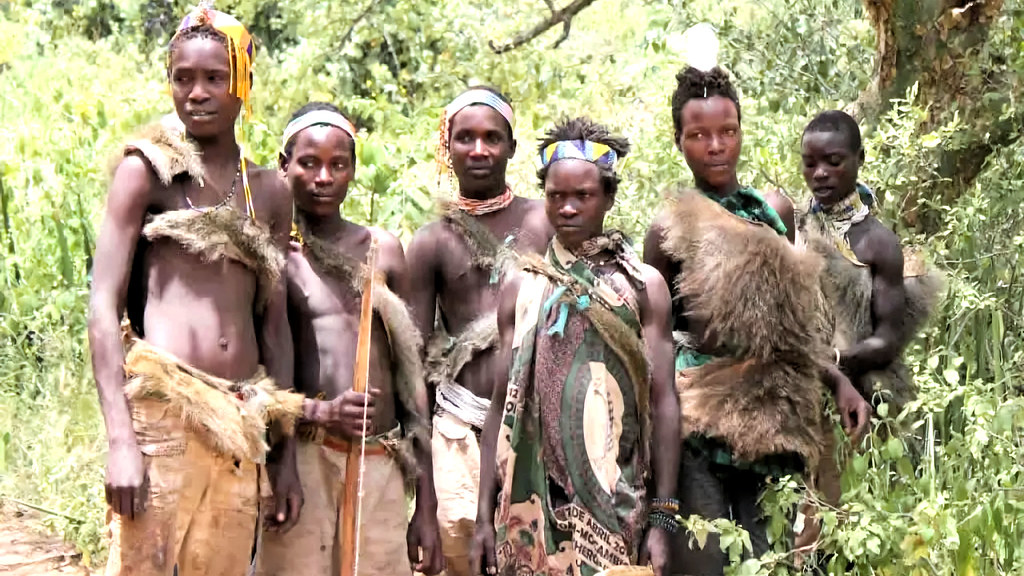
The Hadza people are among the last remaining true hunter-gatherer communities in the world. Living around Lake Eyasi in Tanzania, they maintain a lifestyle that predates agriculture.
They speak Hadza, a language isolate unrelated to other African languages. What makes the Hadza particularly fascinating is their egalitarian social structure, there are no chiefs, no formal hierarchy, and decisions are made collectively. Gender roles are fluid compared to many societies, and food is shared communally. Their way of life offers rare insight into early human social systems.

3. Samburu — Northern Kenya
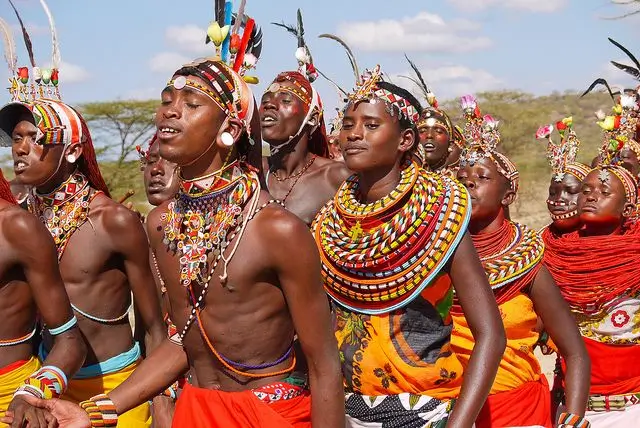
Closely related to the Maasai, the Samburu people inhabit the arid regions of northern Kenya. They speak Samburu, also a Nilotic language.
The Samburu are known for elaborate beadwork, especially worn by women, and for their strong emphasis on age-grade systems. Unlike the Maasai, Samburu women play a more visible role in social rituals. Their ceremonies, songs, and dances are deeply symbolic, often narrating history, survival, and relationships with nature.
4. Karo — Omo Valley, Ethiopia
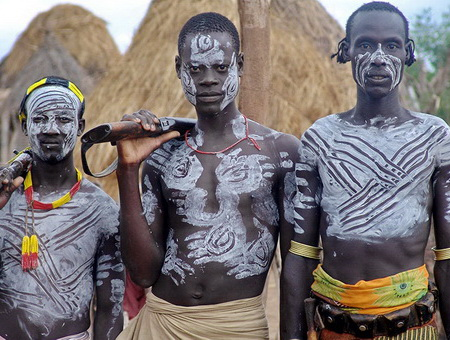
The Karo people are one of the smallest tribes in Ethiopia’s Omo Valley, with its language said to be endangered, yet one of the most visually distinctive. They are known for intricate body painting, scarification, and ritual adornment using natural pigments like chalk, charcoal, and ochre.
They speak Karo, part of the Omotic language family. Body art among the Karo is not decorative alone, it signifies identity, status, beauty, and spiritual beliefs. Their cultural expressions are deeply tied to the riverine environment they inhabit.
Culture
Read Between the Lines of African Society
Your Gateway to Africa's Untold Cultural Narratives.
5. Himba — Kunene Region, Namibia
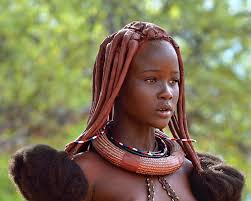
The Himba people are famous for their reddish skin, achieved through otjize, a mixture of butterfat and ochre that protects against the harsh desert climate while serving aesthetic and spiritual purposes.
They speak Otjihimba, related to Herero languages. The Himba maintain strong ancestral worship practices, with sacred fires (okuruwo) acting as a connection between the living and the ancestors. Their resistance to modernization is often misunderstood; it is not rejection of progress, but selective preservation of identity.
6. Zulu — KwaZulu-Natal, South Africa
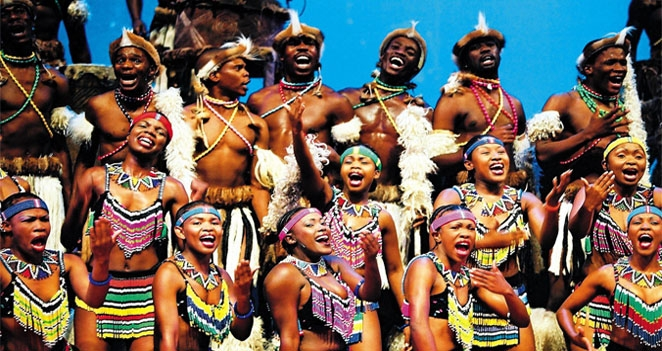
The Zulu tribe is one of Southern Africa’s largest ethnic groups, historically known for their powerful kingdom under King Shaka Zulu. They speak isiZulu, one of South Africa’s official languages.
Zulu culture places strong emphasis on respect, oral history, and communal responsibility. Traditional attire, dance, and ceremonies, such as Umhlanga (Reed Dance), continue to play significant roles today. Despite urbanization, Zulu identity remains deeply rooted in language and tradition.
7. Xhosa — Eastern and Western Cape, South Africa
Culture
Read Between the Lines of African Society
Your Gateway to Africa's Untold Cultural Narratives.
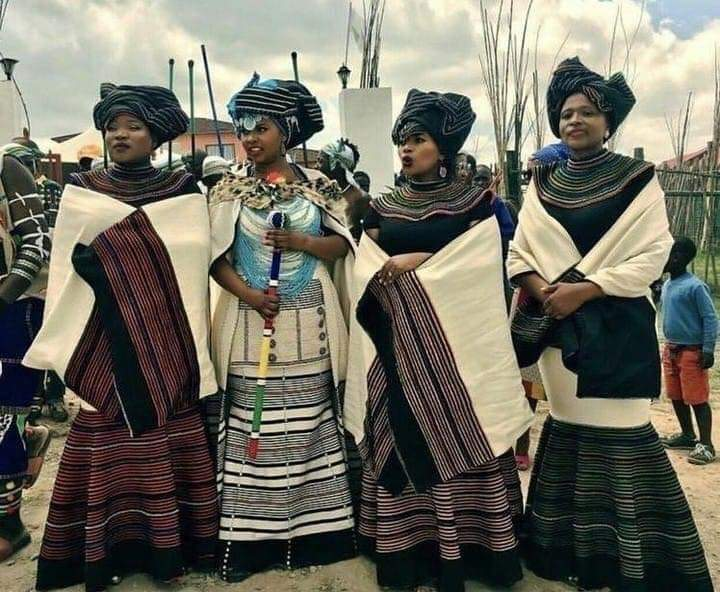
The Xhosa people are renowned for their rich oral traditions, distinctive click consonants in isiXhosa, and rites of passage such as male initiation (ulwaluko).
Xhosa beadwork, music, and storytelling reflect deep philosophical concepts about life, ancestry, and community. Historically, the Xhosa played a major role in anti-colonial resistance, producing influential leaders and thinkers whose impact extended beyond South Africa.
8. San — Southern Africa
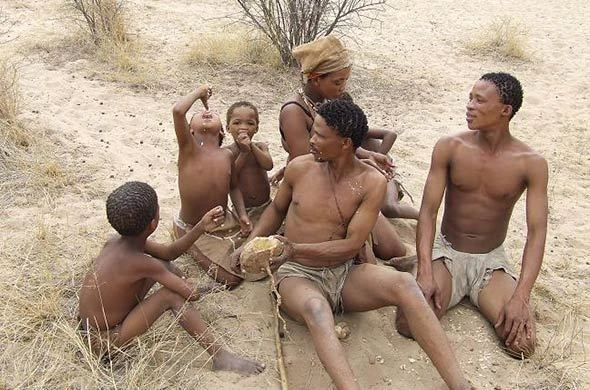
Often referred to as Bushmen, the San are among the oldest known inhabitants of Southern Africa. They traditionally lived as hunter-gatherers across Botswana, Namibia, and South Africa.
They speak various Khoisan languages, famous for their click sounds. The San are globally recognized for ancient rock art, which depicts hunting scenes, spiritual rituals, and cosmological beliefs. Their deep knowledge of ecology and survival has informed modern science, medicine, and anthropology.
9. Ndebele — South Africa (Mpumalanga, Gauteng, Limpopo)
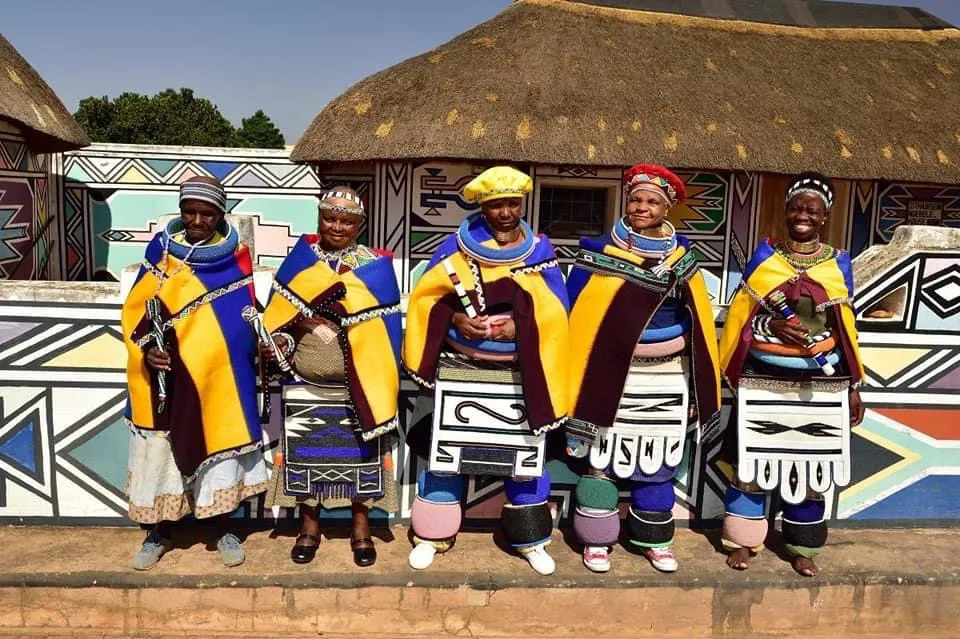
The Ndebele tribe is instantly recognizable for their vividly painted geometric house designs and colorful attire with both the southern and the northern Ndebele group. They speak isiNdebele, a Bantu language.
Their art is predominantly practiced by women and serves as a visual language communicating identity, status, and values. Ndebele cultural expression demonstrates how architecture, art, and daily life intersect to preserve heritage.
Culture
Read Between the Lines of African Society
Your Gateway to Africa's Untold Cultural Narratives.
Conclusion: Why These Cultures Matter
These tribes are not relics of the past, neither are they archaic or outdated. They are active custodians of African identity and the continuations of stories that started before our own time.
Their languages, rituals, and worldviews challenge the idea that progress requires cultural erasure. In a rapidly globalizing world, understanding these communities reminds us that diversity is not an obstacle—it is a resource.
Learning about East and Southern Africa’s tribes is not just about fascination or for nostalgic sake. It is about recognizing complexity, resilience, and continuity. These cultures endure not because they are untouched by change, but because they choose what to carry forward with unwavering resilience and in that choice lies their strength.