EU Unleashes New Sanctions Wave: Russia's Patriarch Kirill Targeted, Soldiers Face Bloc Ban
The EU has launched its 21st sanctions package against Russia, proposing a ban on Russian soldiers entering its territory and targeting banks, crypto firms, and oil revenues. The measures also include new import bans on Russian fish and metals, alongside a renewed attempt to sanction Patriarch Kirill. Ukraine's EU accession talks are also set to formally begin.
The European Union has unveiled its 21st package of sanctions against Russia, aiming to intensify economic pressure and restrict Moscow's ability to fund its war efforts in Ukraine.
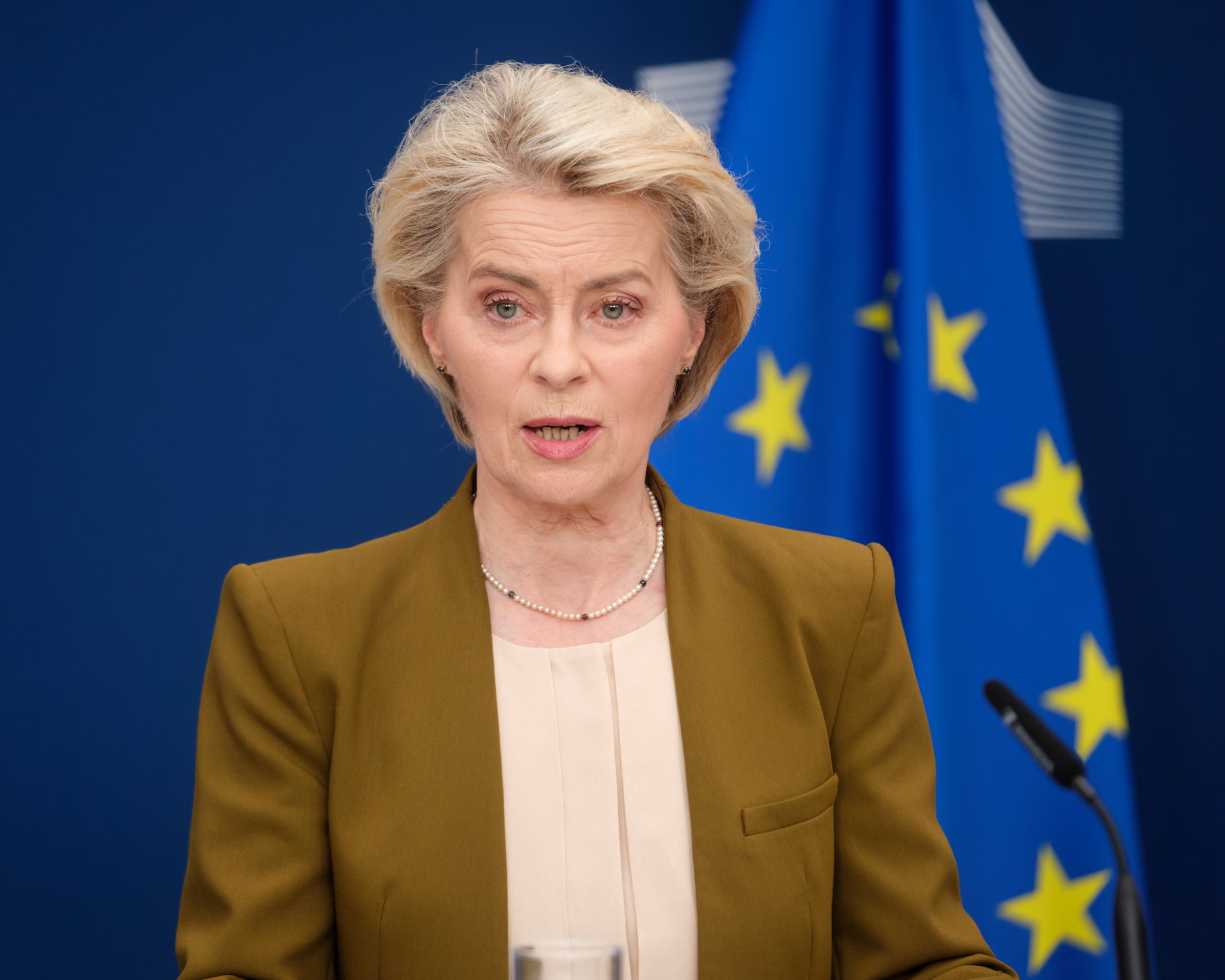
These comprehensive proposals, announced by European Commission President Ursula von der Leyen, target various sectors including military personnel, financial institutions, energy revenues, and trade.
A significant new measure proposes to ban anyone who has served in the Russian armed forces since the beginning of the war from entering the European Union.
This marks the first time such a broad entry ban on combatants has been proposed, with von der Leyen stating, "Europe stays off limit for anyone who has participated in the invasion of Ukraine, as simple as that."
This proposal, which originated from Estonia earlier this year, is seen by nations like Estonia as crucial for Europe's security, with Foreign Minister Margus Tsahkna warning against "hundreds of thousands of ex-combatants, criminals coming here" who might "do many bad things."
Economically, the EU seeks to maintain its strict stance by proposing to keep the price cap on Russian oil at $44 until January 2027.
This move is designed to prevent the Kremlin from benefiting from potential crude price increases, particularly in scenarios like the closure of the Strait of Hormuz.
The package also targets Russia's efforts to circumvent existing sanctions, planning to add 30 "shadow fleet" vessels—tankers helping Russia evade Western restrictions—to its blacklist, bringing the total to 662 vessels.
Furthermore, Brussels intends to extend sanctions against cryptocurrency firms that facilitate Russia's access to capital markets, proposing to blacklist 20 banks, crypto firms, and oil traders in third countries identified as assisting Russia in dodging sanctions.
Beyond financial measures, the new proposals introduce trade restrictions, and for the first time, Russian fish imports are targeted, with a potential ban on cod and restrictions on other species.
The EU also aims to ban the import of Russian metals, ores, and car parts valued at €60 million, as part of ongoing efforts to sever economic ties.
Export restrictions are proposed for metals and alloys critical to the aerospace and defence industries, including components for drone equipment and launch systems.
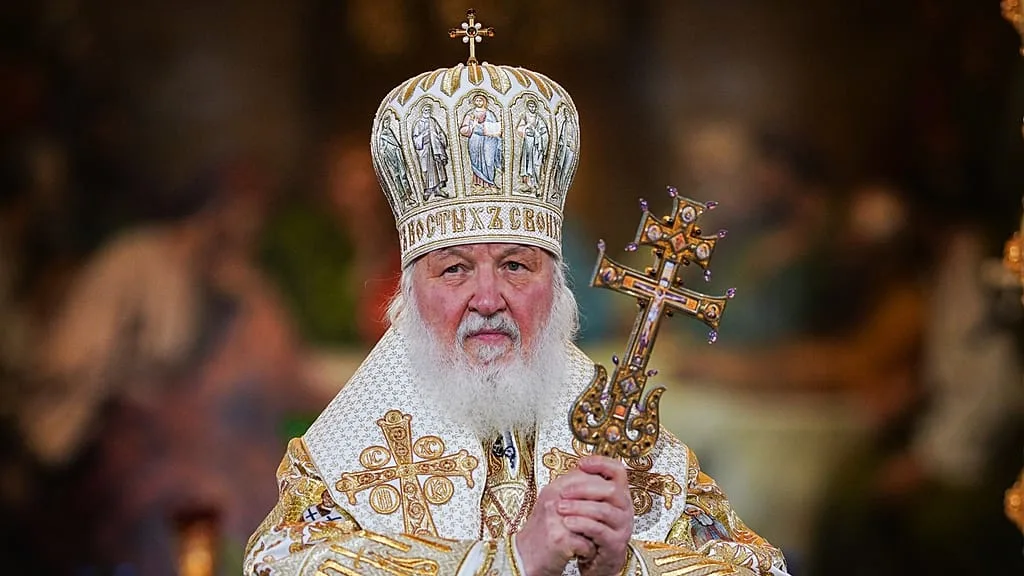
In a renewed effort, the European Union is again attempting to sanction Patriarch Kirill, the head of Russia's Orthodox Church, after Hungary had previously vetoed such a move in 2022.
Kirill, a highly controversial figure, has been accused of disseminating revisionist propaganda to justify the war, with the Russian Orthodox Church under his leadership even approving a document that called the invasion a "Holy War" and advocated for the annihilation of Ukrainian independence.
His name has been included in the latest sanctions package, following a recent U-turn by the new Hungarian government under Péter Magyar, which signaled readiness to proceed with the measure.
While individual sanctions include an asset freeze and a travel ban, unanimous approval from all 27 member states is required, and the unique position of Kirill as a religious leader makes final consensus uncertain.
The EU aims to secure agreement on this 21st package by July 15 to avoid an automatic revision of the Russian oil price cap.
However, certain aspects remain contentious, and notably absent from the sanctions list are EU alumina exports.
This omission has drawn scrutiny after investigative journalists revealed that alumina refined at the Russian-owned Aughinish plant in County Limerick, Ireland, feeds directly into Russian supply chains, seemingly concluding with arms firms manufacturing weapons used in Ukraine.

These revelations appear to contradict earlier assurances from the Irish government that the plant was "not in any way connected to a war machine."
The Aughinish plant, which employs 900 people and supplies about 30% of the EU’s alumina, highlights a complex dilemma, as EU officials state there are no alternative suppliers of bauxite or alumina not controlled by Russian or Chinese firms.
The issue was expected to be raised during a meeting between EU foreign policy chief Kaja Kallas and Ireland's Taoiseach, Micheál Martin, shortly before Ireland assumes the rotating presidency of the EU council.
Amidst these sanction efforts, European Commission President von der Leyen also confirmed a significant step forward for Ukraine's path to EU membership.
The bloc is expected to formally open the first set of negotiating chapters, focusing on the rule of law and democratic standards, in accession talks with Ukraine and Moldova next week. This development marks the formal start of the next phase of their accession process.