Ethiopia Is Heading Back to War: Africa Has More to Lose Than Ethiopia
Ethiopia's renewed conflict threatens to deepen Africa's security, debt and humanitarian crises. Here's why the continent has more to lose than Ethiopia.
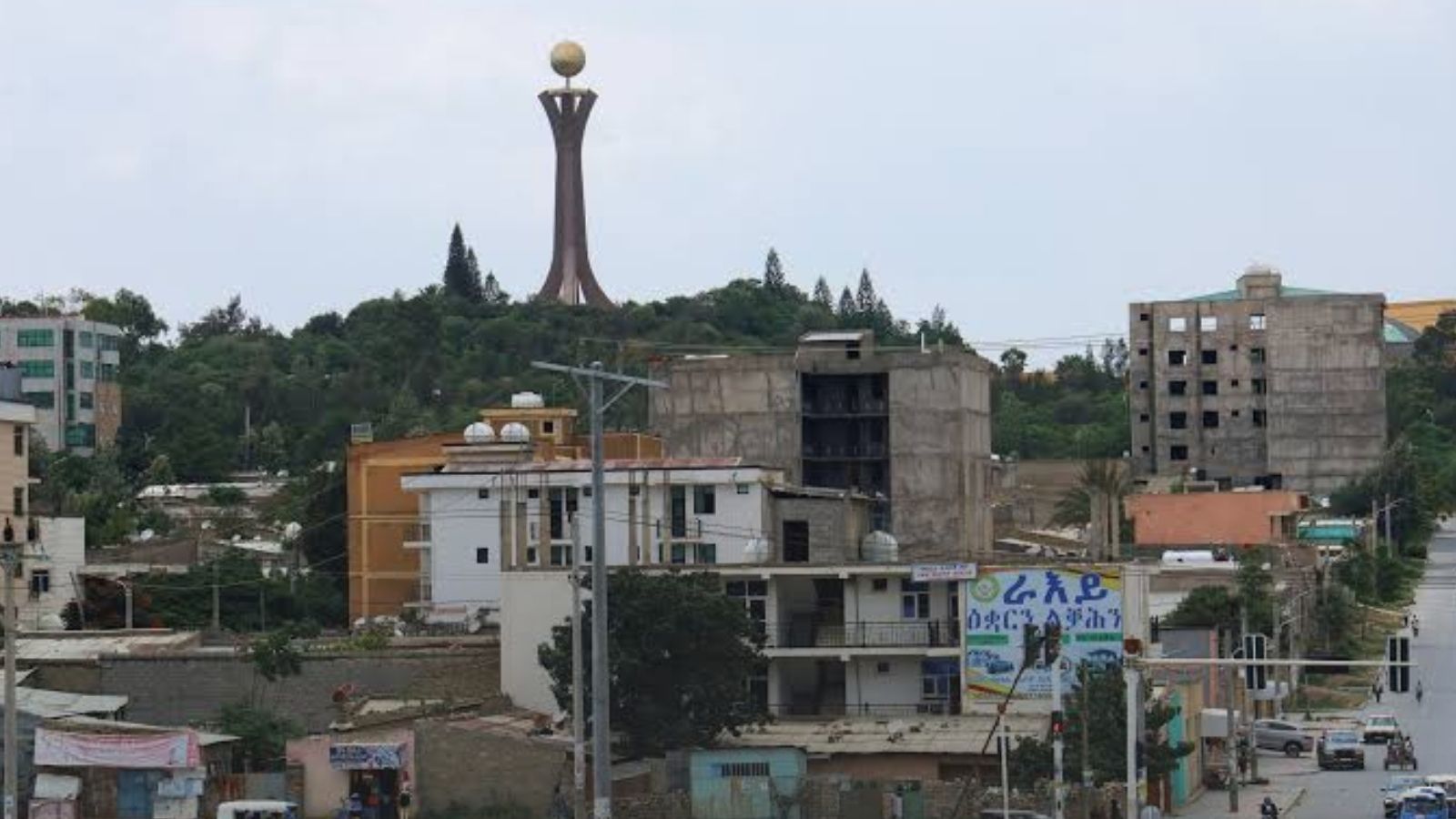
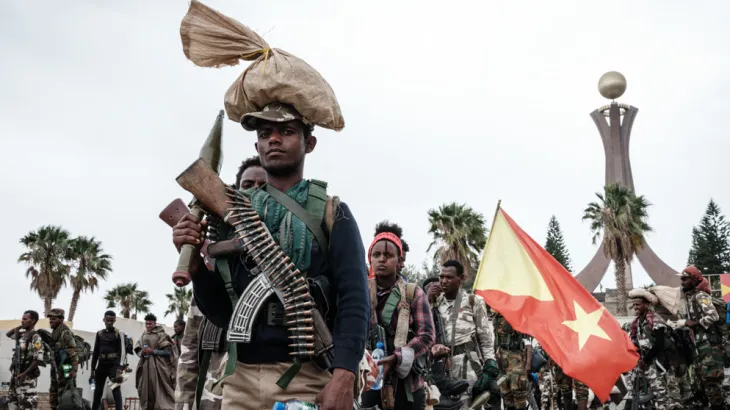
Ethiopia might be heading in a full-blown war and this time, the chaos is not restricted to one region. The Tigray People’s Liberation Front and allied groups on September 23, 2026, launched a coordinated attack in Tigray, Afar and Amhara and described it as a defensive war against the federal government.
Days before the attack, a seven-group coalition was formed and called itself Ethiopian People’s Forces Alliance for Survival merging together Fano fighters, the TPLF, the Oromo Liberation Army, the Ogaden National Liberation Front and several other regional movements, all moving for the overthrowing of the Prime Minister Abiy Ahmed’s government.
The Tigrayan forces have already seized control of airports in the region and forced Ethiopian Airlines to suspend flights, pushing offensives into neighbouring Afar and Amhara.
Addis Ababa has responded with a full-scale military operation involving infantry, mechanised units, and drones. What began in 2020 as the Tigray War, paused by the 2022 Pretoria Agreement, never actually ended.
Why Ethiopia's War Never Really Stopped
The Pretoria Agreement ended two years of war between Addis Ababa and the TPLF, but it fractured the wider coalition Abiy had built to fight that war in the first place.
Neither Eritrea nor the Amhara militias that fought alongside the federal army were included in the deal and both later broke with the government.
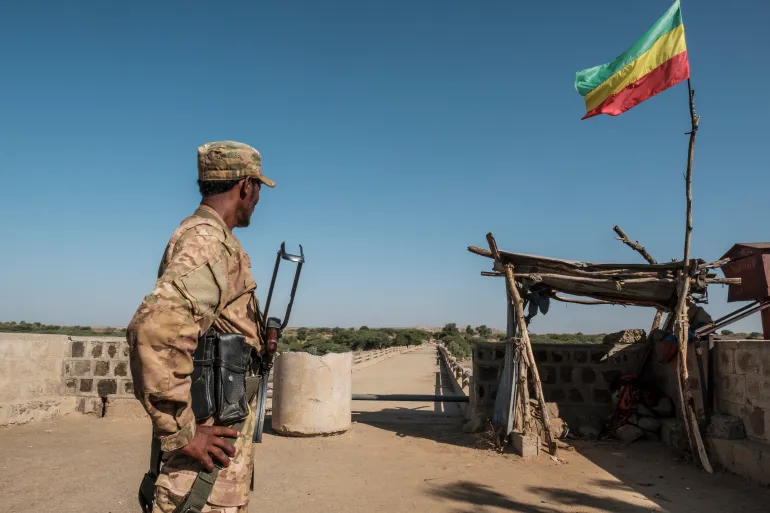
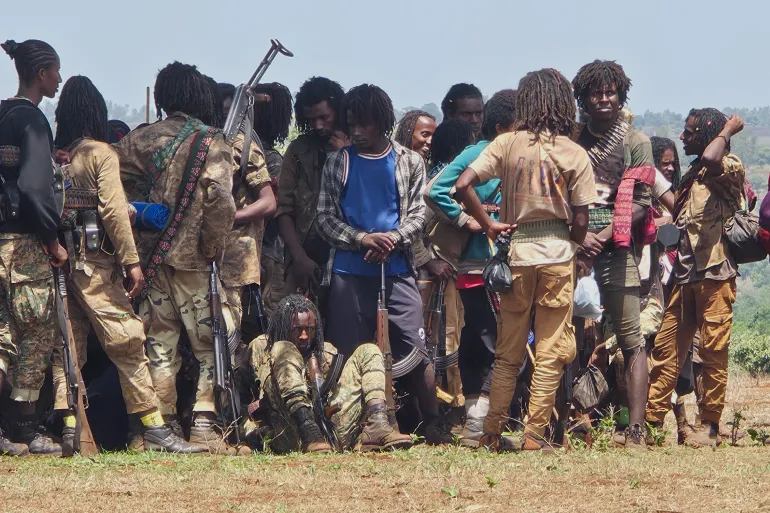
In Amhara, disputes over disarming regional forces turned into open conflict with Fano fighters from 2023 onward. Relations with Eritrea deteriorated over the peace deal itself and later over Ethiopia's push for access to the Red Sea through Eritrean ports.
Ethiopian officials accuse Eritrea of financing and coordinating the new rebel alliance, a charge Eritrea denies.
Whatever the truth is, this is a common phenomenon across the Horn of Africa. There are unresolved grievances, unfinished disarmament, and outside powers hedging their bets, sitting on top of a ceasefire that was never a real peace.
Ethiopia's War Is Part of a Wider African Pattern
Ethiopia’s case does not exist in isolation. Africa recorded at least 36,000 violent events and more than 50,000 conflict-related deaths in 2022, with fifteen active armed conflicts concentrated in the Sahel, the Lake Chad Basin, the Great Lakes, and the Horn of Africa.
Violent events worldwide topped 185,000 in 2025 alone and killed over 240,000 people. This nearly doubled the toll recorded in 2021.
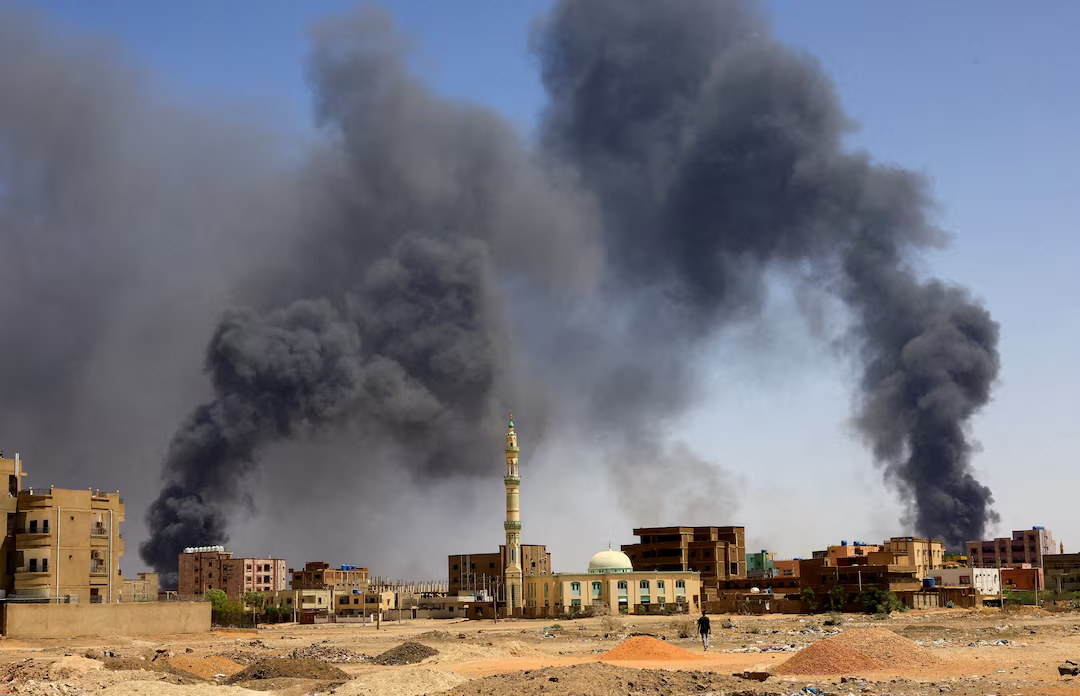
Sudan's civil war, ongoing since April 2023, has become one of the deadliest conflicts on earth and has caused the deaths of roughly 17,000 people so far and displaced millions.
The continent is carrying a disproportionate share of the world's active wars. Ethiopia adding a second major front stretches African Union peacekeeping capacity, humanitarian budgets, and diplomatic attention that were already thin.
The Economic Cost Africa Cannot Afford Right Now
War in Ethiopia arrives at possibly the worst possible economic moment for the continent. African governments face more than $90 billion in external debt repayments in 2026.

Government debt across 51 African countries was estimated at $1.93 trillion in 2025, with South Africa and Egypt alone accounting for roughly a third of that figure, and Sudan carrying a debt-to-GDP ratio above 187 percent.
A separate shock from the Middle East war and a collapse in foreign aid has pushed even more African governments toward emergency lending, with growth forecasts for the continent cut to 4.3 percent for 2026.
Twenty-seven of the region's forty-five countries are now relying on external support programmes just to stay solvent, with bilateral aid falling in 2025 even as needs rose.
Every new war competes with debt service, food imports, and currency stability for the same shrinking pool of resources.
Ethiopia's conflict will not maintain the boundaries of Ethiopia's budget. It will show up in regional trade disruptions, refugee flows into neighboring states, and renewed pressure on donors who are already stretched thin by conflicts elsewhere.
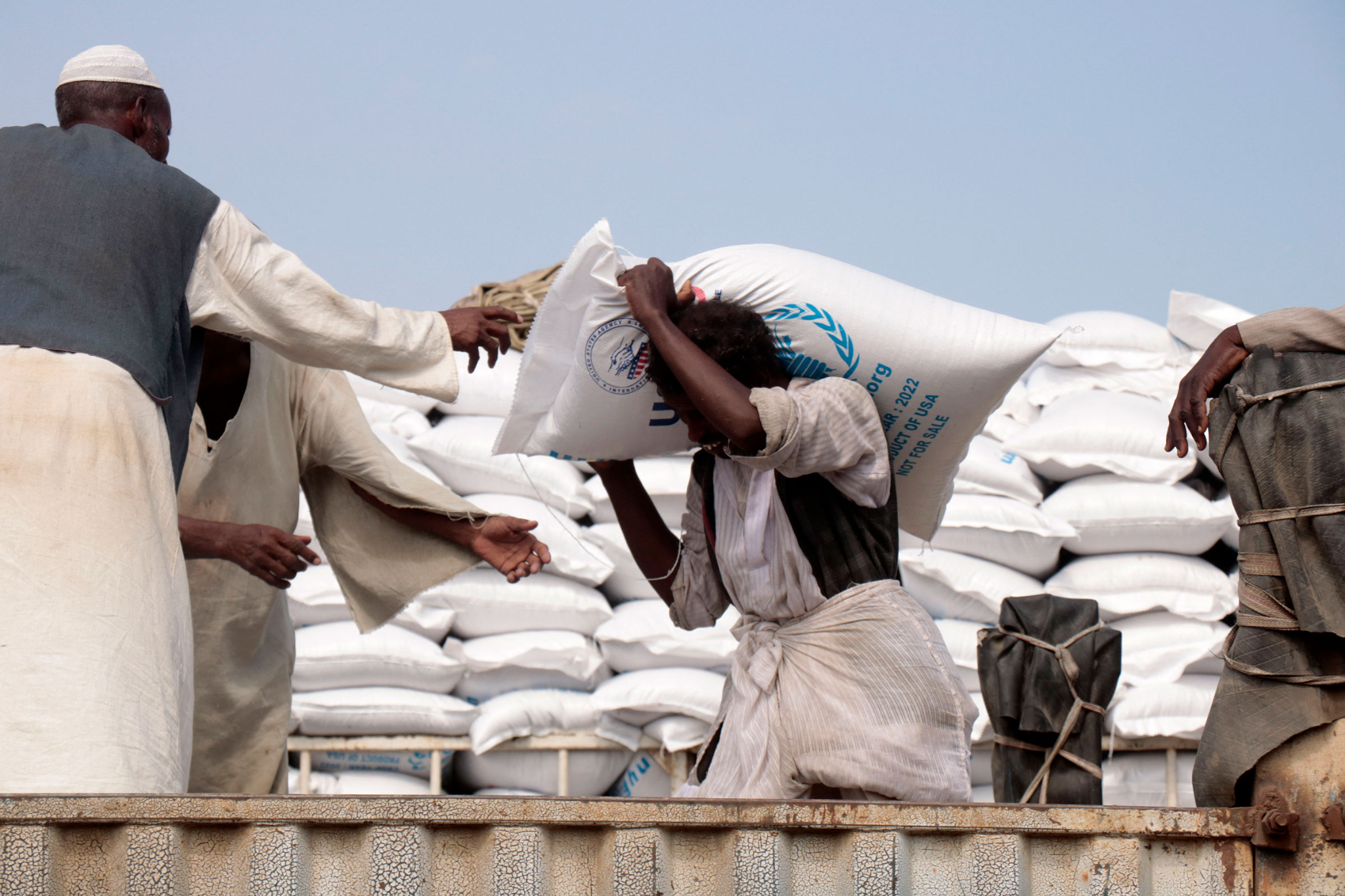
Why African Countries Still Need Aid, and Why That Is Not a Weakness
It has become fashionable to label African aid dependency as a moral failure of African governments alone.
Public debt in sub-Saharan Africa has reached levels not seen in decades, and borrowing costs across the region run roughly three times higher than those faced by developed nations.
This is the direct cost of operating inside a global financial system where African risk is priced punitively regardless of actual repayment records.
Growth in sub-Saharan Africa has stalled since 2015 in per capita terms, raising the risk of a lost decade.
Meanwhile, aid flows that could cushion shocks like Ethiopia's war are being redirected toward conflicts elsewhere or cut outright.
Aid dependency, in this light, is a symptom of a system that never gave African economies room to build the fiscal buffers wealthier nations take for granted.
The UN Security Council Problem Nobody Wants to Fix
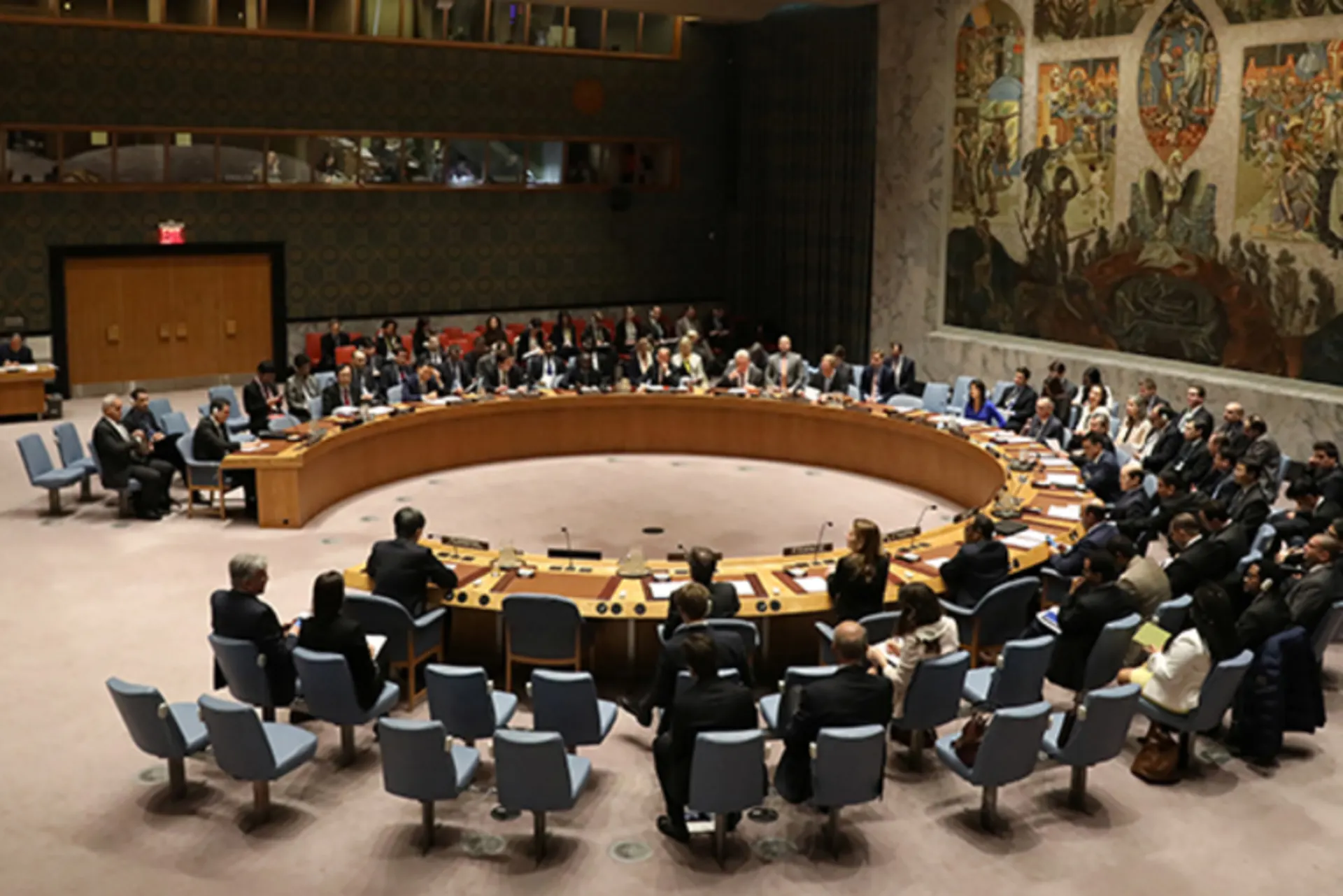
The African Union has 55 member states and represents roughly 1.5 billion people, yet Africa holds zero permanent seats on the UN Security Council.
This is the body most responsible for authorizing peacekeeping and responding to conflicts like the one now unfolding in Ethiopia.
Africa currently holds only three of the ten non-permanent seats, even though the continent hosts the majority of the UN's active peacekeeping operations and African conflicts dominate the Council's agenda.
The African Union has repeatedly called this exclusion a historical injustice, demanding at least two permanent seats with full veto power and five non-permanent seats under the Ezulwini Consensus.
Even proposals pushing the support for two African permanent seats stopped just at the foot of the extension of veto power, effectively offering Africa second-class membership on a body where roughly 60 percent of the agenda concerns the continent directly.
This means that when wars like Ethiopia's escalate, the countries voting on intervention, sanctions, or peacekeeping mandates rarely include an African permanent voice shaping the terms.
What Happens Next Depends on More Than Addis Ababa
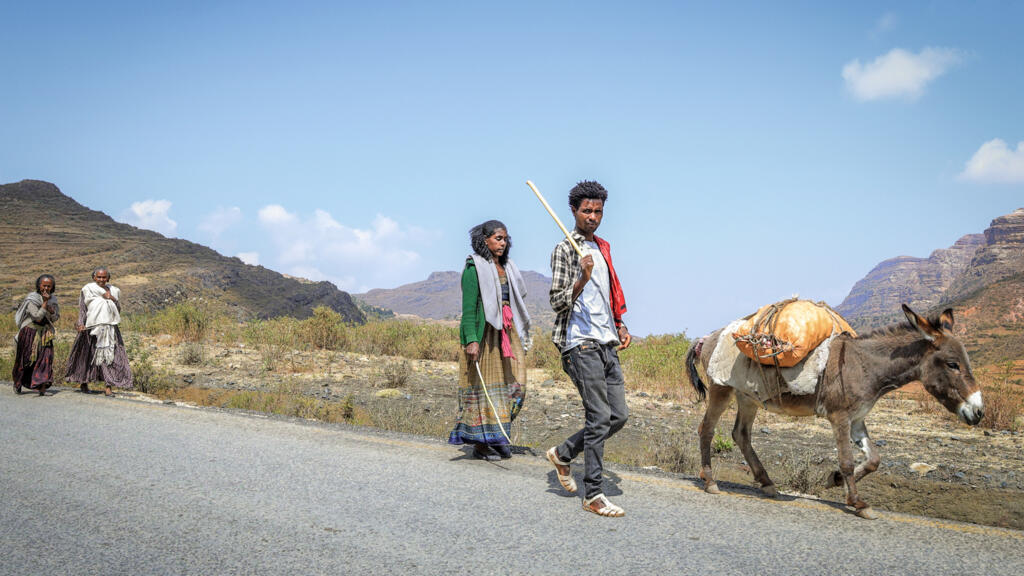
Ethiopia's war will be decided on battlefields in Tigray, Afar, and Amhara. But its consequences will show in African Union peacekeeping budgets, refugee-hosting neighbours, debt markets already under strain, and a Security Council structure that still has no permanent African seat at the table.
Africa is absorbing the cost of a global system that consistently asks the continent to manage its own crises with the least representation and the least financial cushion of any region on earth.
If Ethiopia's conflict widens further, the question would move from what it costs Ethiopians to what it costs a continent already carrying more conflicts, more debt, and less say than almost anywhere else in the world.