Do You Know The Most Powerful Banks in Africa May Not Be Banks at All?
Fintech platforms are redefining banking in Africa, allowing users to open accounts instantly and transact without visiting physical banks, shifting financial power to digital platforms.
Femi stood outside the veranda of their house, he was just staring at his phone with the kind of excitement that you would see on the face of a child you promised to buy a big toy car.
“Mummy, please send me ₦1,000,” he screamed, as he ran back into the living room.
The reply came almost immediately and unexpectedly.
“Send it to your account?” Which account? Femi’s mother asked.
Femi paused, trying to avoid the soul tearing gaze of his mother.
He had expected that question and the reaction, but he didn’t expect what came next.
“When did you go to the bank to open a new account?” his mother asked.
“I didn’t go to any bank, It's a mobile money wallet, I opened an account with.” Femi replied.
“Be careful. I hope this is not all these online scams.” She replied.

Because to her, and many parents across Africa, banking had always meant a physical place.
A building with a counter and a teller responding to requests and stamps on papers.
She had always known banking as something tangible and real. Not an app, with a beautiful UI or their promises.
It wasn't just that easy to be something you create in five minutes while sitting on your bed.
But the truth is, something fundamental has changed over the years and we are all seeing it over the past years.
And the quite interesting part of this conversation most people have not fully realized yet.
Banking No Longer Begins With A Building

Once upon a time, opening a bank account was a process that required preparation and you deliberately had to plan for it.
You needed passport photographs, identification cards, utility bills, signatures, and patience. You needed to physically walk into a bank, stand in queues, fill forms, and wait days or even weeks before your account became fully operational.

Some of these practices in banking are still done today and while it's not as it used to be, we all can agree that those were some nostalgic feelings right there.
Well, for millions of Africans, this process was not just inconvenient, it was actually exclusionary.
Many people lived far from bank branches, others lacked the required documentation.
Some simply avoided the process entirely because it felt stressful or unnecessary.
But fintech has quietly removed that barrier and opening an account can be done in a few minutes.
Today, someone like Femi can open a financial account instantly without ever stepping into a bank. No physical forms, long queues or security personnel telling them to come next week that the bank was already full.
Today, it's so much easier. You just download an app, provide your basic information and verify your identity digitally.
And within minutes, you are ready to use your account without any hassle. Fully ready to send and receive money. Ready to exist inside the financial system.
This shift is not just technological, if you look deeper at it, it is actually structural.
Fintech has separated banking from buildings and when that separation started happening, everything has changed and the game of banking is totally different today.
The Rise of Financial Power Without Physical Presence
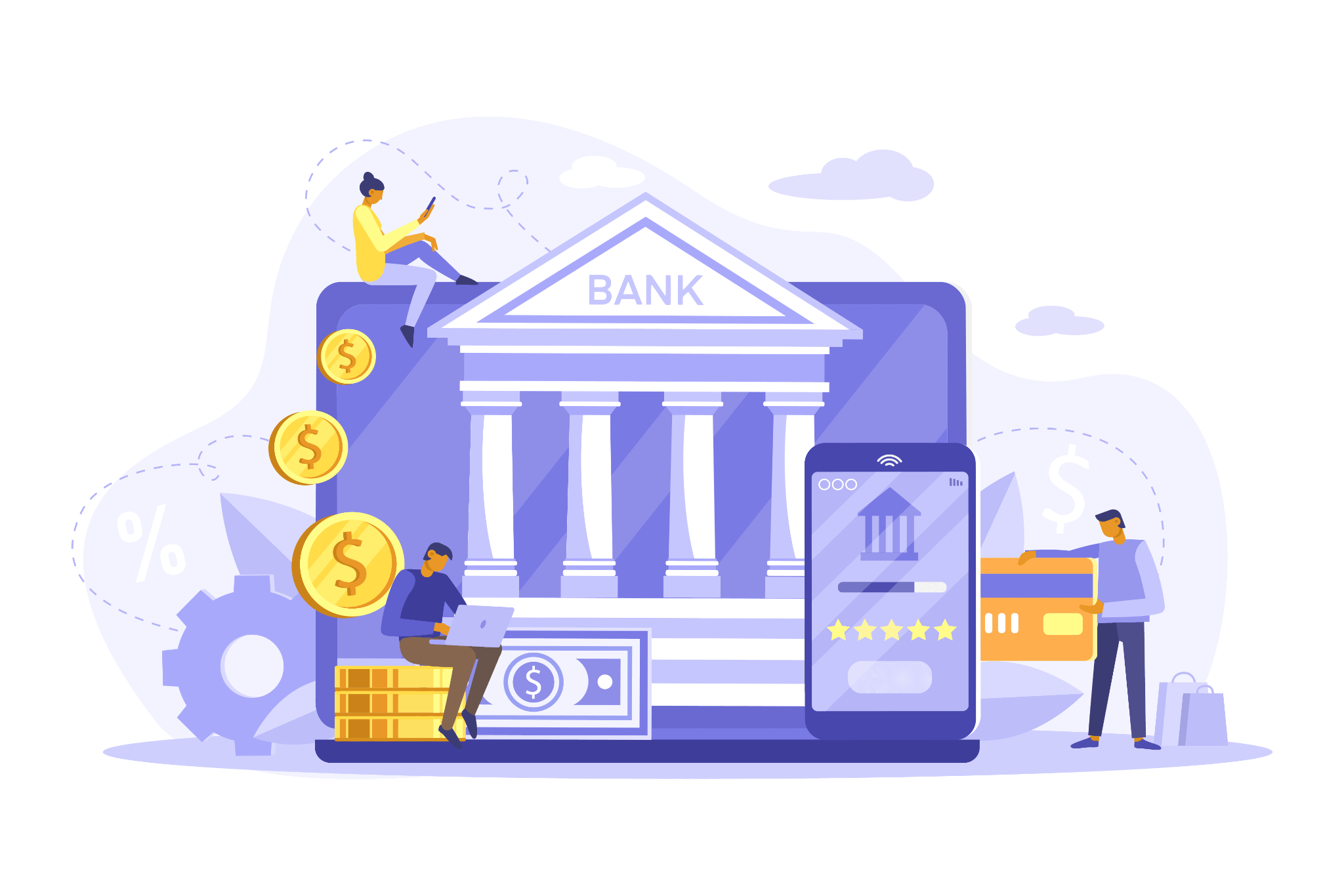
Across Africa, fintech platforms and mobile money services are handling billions of dollars in transactions annually.
Sub-Saharan Africa showed significant growth in financial inclusion over the past decade, much of it driven by mobile money account adoption.
It was reported by Africa fintech network, that in 2022, 28% of adults in Sub-Saharan Africa had mobile money accounts, surpassing traditional banking in many regions.
In Nigeria, fintech platforms process millions of transactions daily, powering everything from personal transfers to business payments.
What makes this transformation powerful is not just convenience, but accessibility.
Traditional banks expanded through branches, fintech expanded through smartphones and digital access. The amazing part? Smartphones exist everywhere.
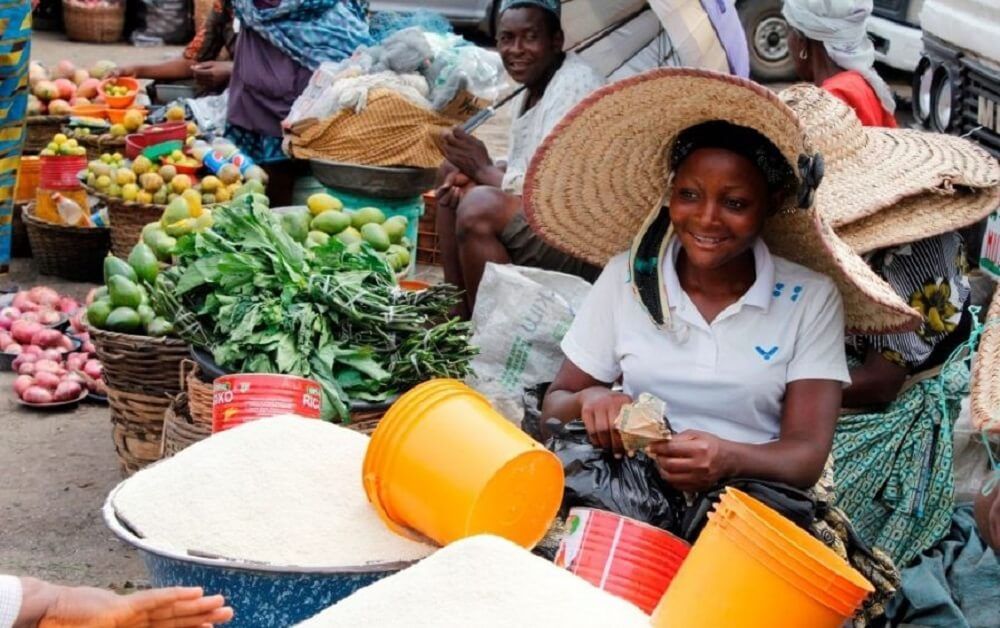
A trader in a small town no longer needs to travel hours to open an account. A student in a hostel can receive money instantly. A small business owner can accept payments without verifying too much information.
Financial participation is no longer determined by proximity to a bank branch. It is determined by access to a phone and an internet connection.
Fintech platforms also removed the friction that defined traditional banking.
There is no need to manually submit stacks of documents or wait for approval cycles that stretch indefinitely.
Identity verification happens digitally and accounts are created instantly.
This simplicity is not accidental. It is the result of intentional design and the need to solve a problem.
Fintech companies built their systems around users, not institutions or physical structures.
And users have fully responded, for instance, Opay, a fintech banking app, with presence across Nigeria, Egypt and Pakistan has around 50 million registered users and 10 million+ daily active users in Nigeria according to a report in 2024.
Today, some fintech platforms have millions of active users, rivaling and sometimes surpassing traditional banks in transaction volume and engagement.
They have become the primary financial interface for an entire generation, not because they replaced banks directly.
But because they replaced the need to interact with banks physically.
The Invisible Shift Redefining What It Means To Be A Bank
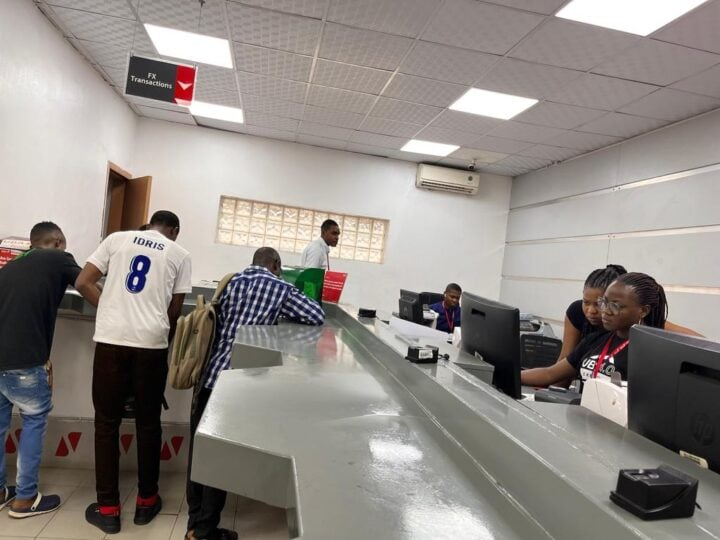
What defines a bank?
Is it the building? The license? The vault? Or is it the function?
If a platform allows you to store money, send money, receive money, pay bills, access loans, and manage your finances without ever stepping into a physical building, then it has already assumed the core role of a bank.
And that is exactly what fintech platforms have done.
They have absorbed the functional identity of banking without inheriting its physical form.
This is why many traditional banks are now adapting rapidly.
They are building digital platforms, simplifying onboarding processes, and redesigning their services to match the speed and simplicity fintech introduced.
Because the competition is no longer about who has more branches. It is about who has more users andabout who people trust with their money.
This transformation has also reshaped expectations. Young Africans no longer see banking as a destination.
They see it as a feature, something embedded seamlessly into their daily lives.
To them, financial access is immediate, not procedural or conditional.
And that right there is power, not the power of buildings but the power of presence, accessibility and inclusivity.
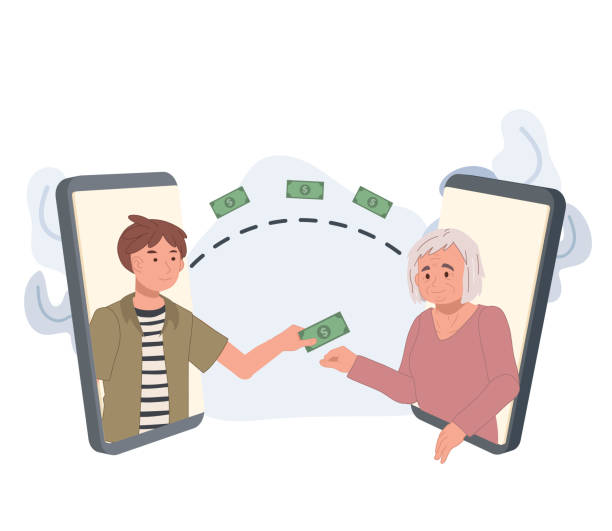
Femi’s mother eventually sent the money to truly see if the account was active and ready to receive transactions.
This she did, not to a traditional bank account but to an app she did not fully trust yet. Because trust takes time, but adoption moves faster.
And across Africa, millions of people like Femi are redefining what it means to be banked.
They are not walking into banks. They are carrying them in their pockets.