Do Africans Abroad Owe the Continent Anything?
Do Africans abroad owe the continent and those back home anything? A bold and reflective social commentary exploring whether Africans abroad owe anything to the continent. It examines cultural expectations, diaspora guilt, historical context, remittances, identity, and the evolving relationship between Africa and its global citizens.
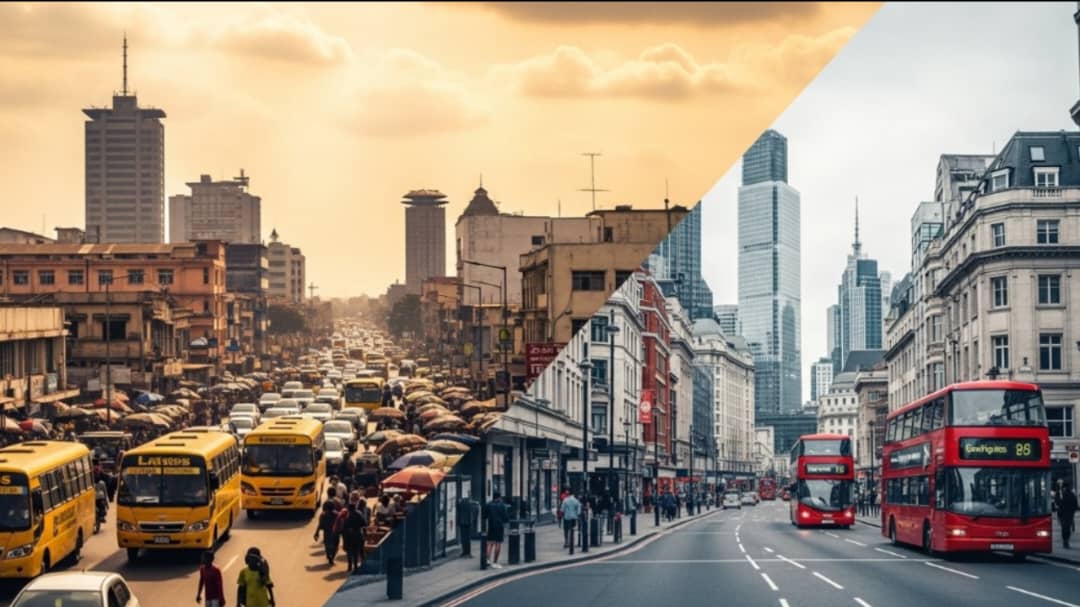
There is a question that quietly follows every African who packs a suitcase, steps into an airport, and begins a life elsewhere: Do you owe the continent anything? And not the continent, do you owe those back at home anything?.
It is a question that is whispered in family group chats, shouted on social media, debated in academic circles, and tucked inside the subtle guilt that many people in the diaspora carry. And like most African questions, it has layers, historical wounds, societal failures, cultural expectations, and personal dreams all tangled together.
For decades, migration has been painted either as betrayal or as escape, celebrated as survival or condemned as abandonment. But beneath this noisy moral debate lies a more complex reality: the diaspora is no longer a fringe community but one of Africa’s largest and most influential forces. The remittances alone have outpaced aid, foreign investment, and in some cases even government budgets. Many of the diasporans abroad have been able to carve a name for themselves, you would see African doctors running hospitals in London. African engineers building systems in Berlin. African scholars influencing global policies in Washington. African artists reshaping culture in Paris.
So again the question stands: Do Africans abroad owe the continent anything or does the continent owe them answers?
The Weight of Expectation
To be African in the diaspora is to carry both pride and burden. The pride comes from identity, a rich continent, a deep culture, a resilience earned through generations. The burden comes from responsibility: Send money home, help your cousins, pay school fees, build a house, remember your roots, don’t forget where you came from and come back to develop your home country.
Across many African households, migration is not seen as an individual journey but as a family project. When one person “makes it,” the whole family rises. When one person fails, the entire lineage feels the embarrassment. This expectation is woven into the culture: you rise, so that others may rise with you. But what happens when the dream cracks? What happens when the burdens become too much? When the job isn’t secure, the bills pile up, depression creeps in, or discrimination suffocates ambition? Does the continent still expect contributions from a diaspora that is barely surviving?
Many Africans abroad quietly battle a double life, struggling to build systems and be comfortable in private while there is a show of being successful online. Because in African storytelling, success is a duty. Struggle is a shame.
And so, the question “Do they owe the continent?” becomes heavier than it appears.
The Guilt and the Ghost of Migration
The debate is not just moral, it is historical. Migration on the continent has always been shaped by external forces, with dreams that seemed more achievable outside the continent. Economic structures made survival outside seem easier than survival within. And modern governments inherited systems that were never built to thrive.
Many Africans abroad leave not out of betrayal but out of necessity. They leave because for them the jobs are scarce, the systems fragile, the politics unstable, the opportunities limited. They leave to breathe. They leave to dream.
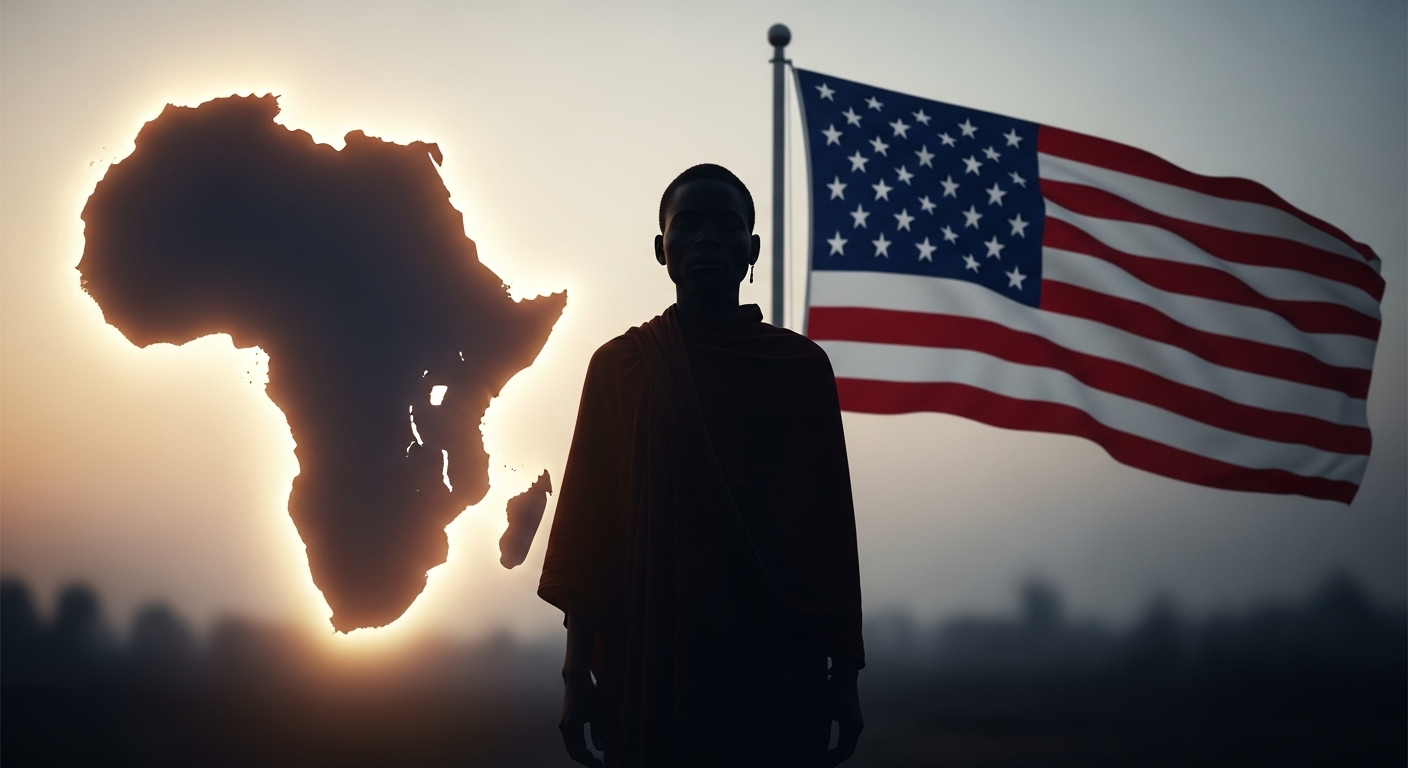
So when people ask, Do they owe Africa anything? the deeper question quietly echoes:
Why did they have to leave in the first place?
Some argue that Africa owes its diaspora an apology, an apology for corruption that killed careers, for insecurity that stole futures, for leaders who swallowed resources, for institutions that failed their brightest. Others argue that the diaspora owes Africa a return, knowledge, investment, reform, mentorship, innovation. Both perspectives contain truth. Both perspectives contain pain.
What the Diaspora Is Already Giving
There is an uncomfortable fact often ignored in emotional arguments: Africans abroad are already giving back more than the world acknowledges. Remittances from the African diaspora hit over $100 billion annually, according to some reports, more than foreign aid. This money builds houses, pays school fees, supports healthcare, funds small businesses, and sustains entire families back at home during economic downturns but it also shows the silent burdens of black tax on the diasporan community.

Diaspora Connect
Stay Connected to Home
From Lagos to London, Accra to Atlanta - We Cover It All.
But beyond finances, the diaspora also exports soft power. African art, fashion, films, literature, even slang, much of their global expansion comes from Africans abroad championing identity on foreign soil. Intellectual contributions also run deep: The African Union recognizes the diaspora as its “sixth region,” acknowledging their role in shaping continental development.
So when people ask if Africans abroad owe the continent anything, the numbers quietly respond: They already contribute, massively.
The real question should be: What is the continent doing with what they give?
The Truth That Nobody Wants to Say Aloud
There is a delicate truth: Africans abroad owe the continent nothing personally but maybe something historically.
Not because of guilt. Not because of pressure. But because, for better or worse, Africa’s future is tied to its global children.

Knowledge must return. Innovation must return. Networks must return. Influence must return.
Not necessarily the people, because not everyone can come back. But the ideas and opportunities they acquire can flow homeward in ways more powerful than physical return.
However, this contribution cannot thrive in a vacuum. For the diaspora to feel connected and responsible, the continent must first feel safe, transparent, and trustworthy. People contribute to places they believe in. Many Africans in the diaspora feel loyalty, but not always confidence.
When parents tell their children “Never come back,” that is not betrayal. It is heartbreak disguised as advice.
The Future of the Diaspora Question
Do Africans abroad owe the continent anything?
The fairest answer is this: They do not owe Africa in the form of obligation. They owe Africa only in the form of connection.
A connection that is rooted in identity, not guilt. In choice, not pressure. In love, not duty.
The diaspora is not a replacement for failed leadership. It is not a piggy bank for endless remittances. It is not an emotional hostage asked to prove its loyalty.
But if Africans abroad choose to give knowledge, investment, mentorship, advocacy, and culture, the continent rises in ways no government alone can achieve. Because history shows that diasporas often become the most powerful architects of transformation.
The Caribbean diaspora transformed Jamaica’s music industry. The Chinese diaspora transformed China’s economy. Africa’s diaspora could do the same, if the bridge between home and abroad is rebuilt with trust, transparency, and shared vision.
Diaspora Connect
Stay Connected to Home
From Lagos to London, Accra to Atlanta - We Cover It All.
The question is no longer “Do they owe the continent anything?”
The new question is: What future can Africa and its diaspora build together if obligation is replaced with opportunity?