Djibouti Bases and the Iran-US War: Why Africa Could Become a Battlefield Next
Djibouti’s strategic military bases and location at the Bab-el-Mandeb Strait are pulling Africa into the orbit of the Iran–US war, raising urgent questions about sovereignty, security, and who bears the cost of global conflict.
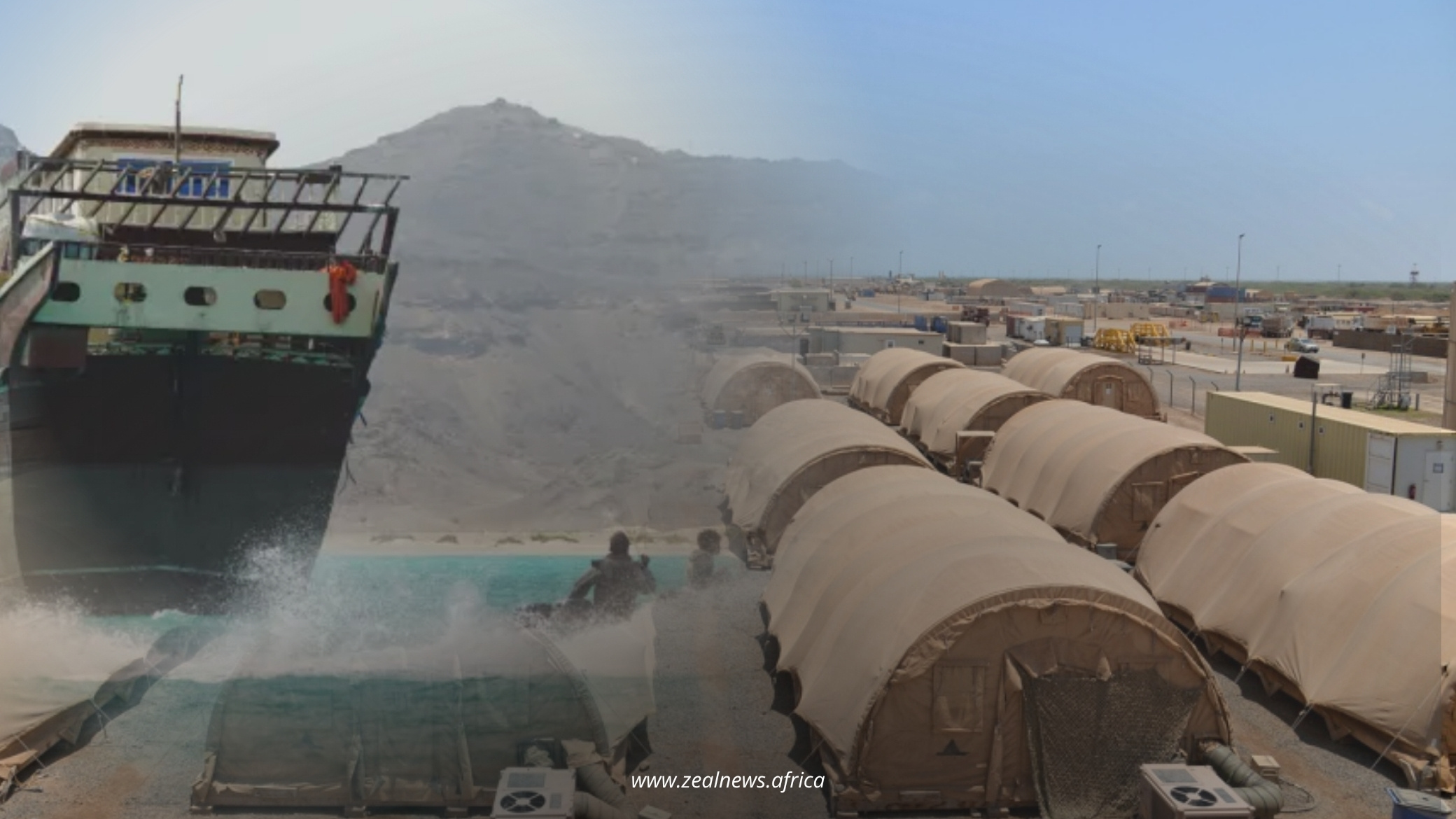
Djibouti is a country of a little over a million people with no oil, no diamonds and no gas. By every conventional measure, it should be one of those countries you only encounter in a geography quiz.
Instead, it is arguably the most militarised piece of land on the African continent, and right now, with the United States and Israel at war with Iran, it sits at the centre of a crisis that could drag Africa into consequences it never signed up for.
The country hosts the densest cluster of foreign military bases in the world. The US, China, France, Japan and Italy all operate military installations within miles of each other along its coastline.
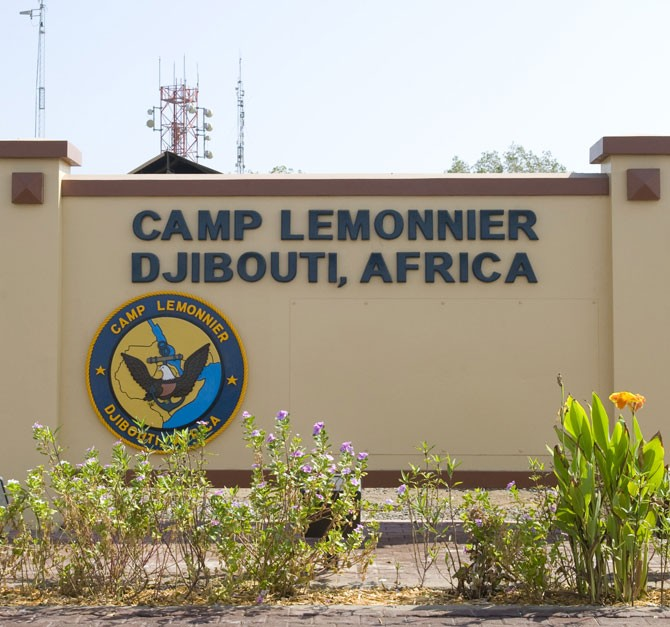
Camp Lemonnier, a former French Foreign Legion base turned US military headquarters, is the only permanent American military base in Africa and currently houses over 4,000 personnel. That base is an active instrument of power.
However, it is pertinent to ask this question: when great powers bring their wars to our shores, who pays the price?
Geography as Currency
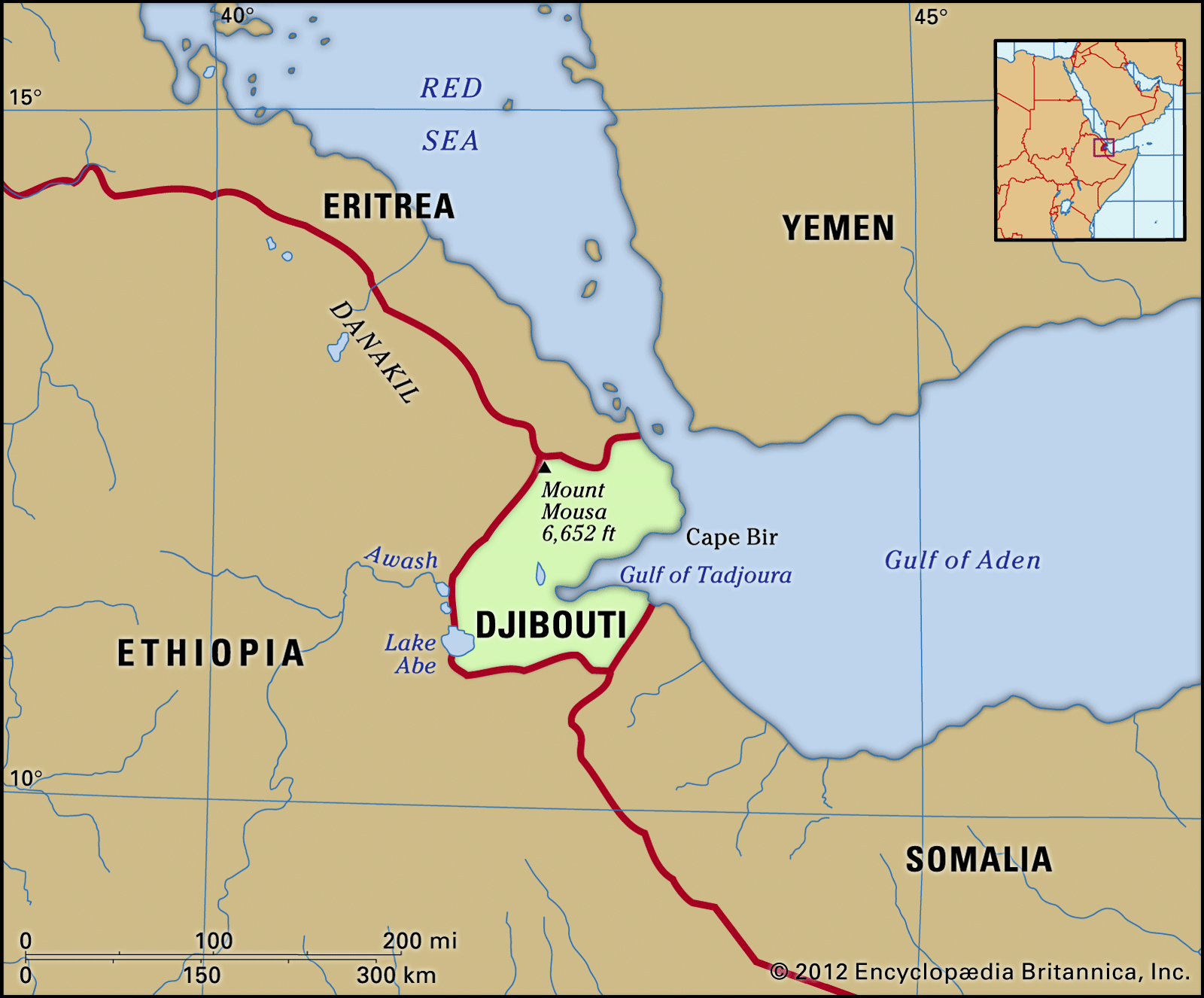
To understand how Djibouti ended up here, you have to understand the Bab-el-Mandeb strait, the narrow corridor of water, barely 30 kilometres wide, that separates Djibouti from Yemen.
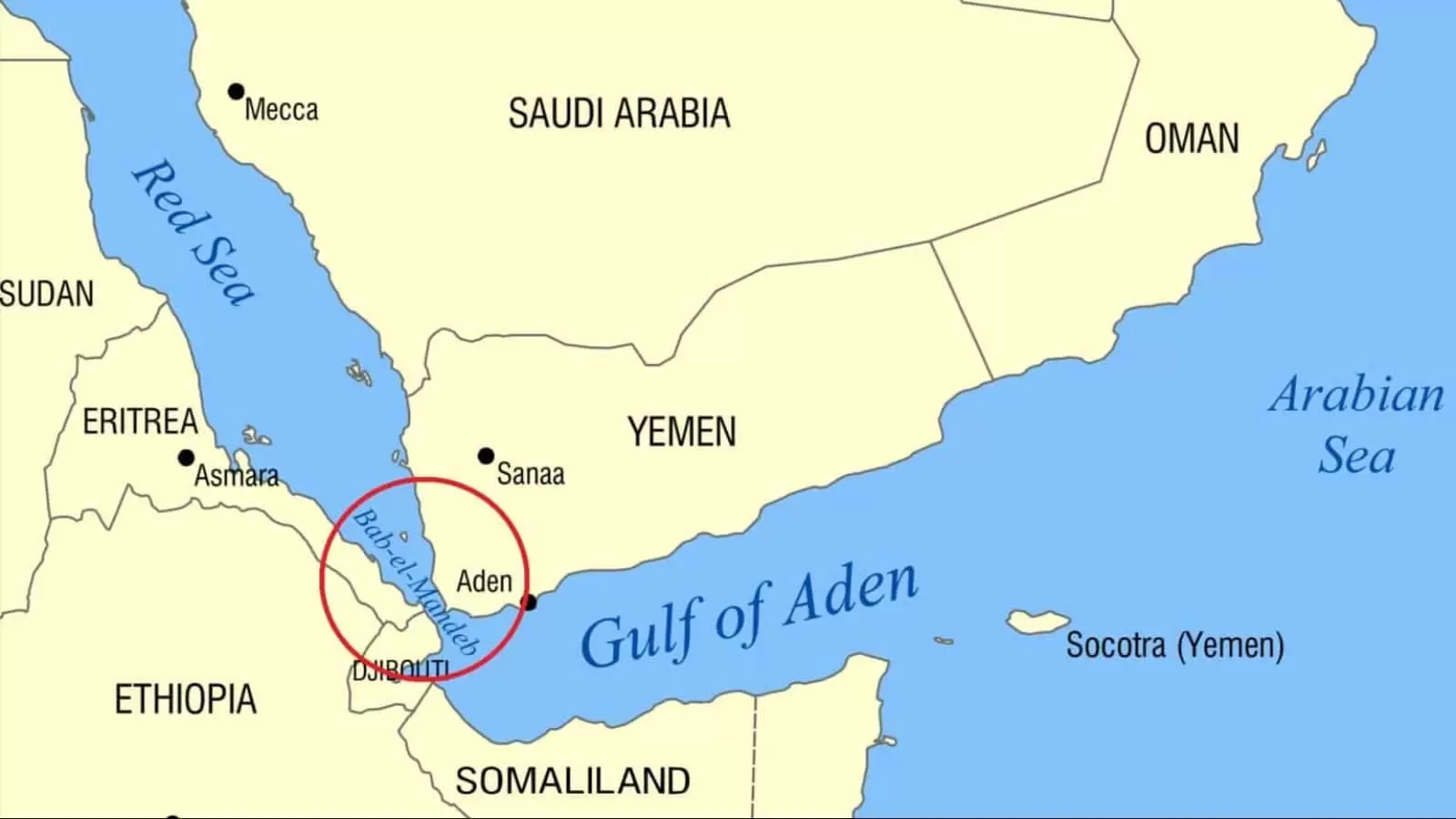
Roughly 12 percent of global maritime trade passes through it every single day. Nearly all of Europe-Asia internet traffic runs through fibre optic cables along the same route.
It connects the Red Sea to the Gulf of Aden, and by extension, it connects Asia to Europe and East Africa to the world.
Djibouti did not discover oil. It discovered something more durable: location; and they have milked it accordingly.
The US pays $65 million annually for its base. France pays $30 million. China pays $20 million, while Japan and Italy each pay just over $3 million.
The country has converted its coastline into a business model and the world's most powerful militaries are its patronisers.
President Ismail Omar Guelleh, who has ruled since 1999 and just won his sixth term, built this model deliberately.
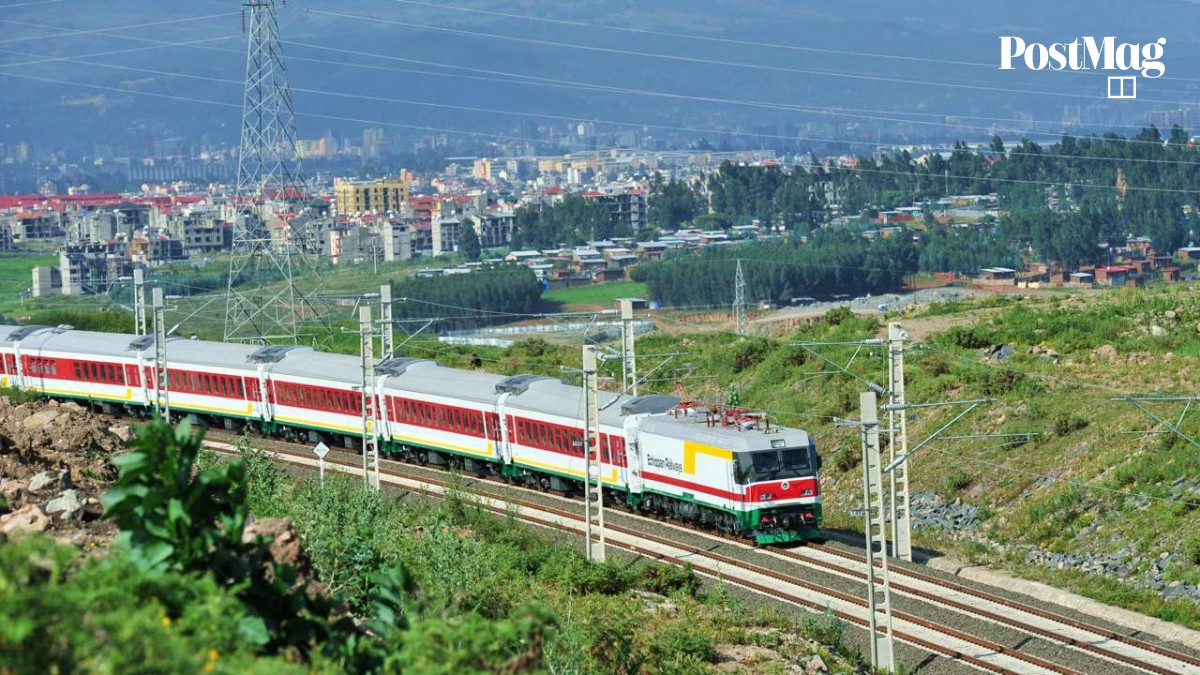
When China wanted a base, it came with a railway linking landlocked Ethiopia to the Djiboutian coast, unlocking nearly 90 percent of Addis Ababa's external trade.
When the Strait Becomes a Weapon
The Iran-US war that broke out on February 28, 2026, changed everything. With the Strait of Hormuz now under Iranian control, the Bab-el-Mandeb has surged in strategic importance, with Iran even threatening to shut it down as well.
Every supply chain and trade route that used to run through the Persian Gulf is now rerouting and ending up on the coast of Djibouti.
Between late 2023 and the Gaza ceasefire in late 2025, Yemen's Houthi movement launched more than 520 attacks on shipping in the Red Sea.
Tonnage through the Suez Canal dropped 70 percent below 2023 levels and that was before the current war. Now Iran, which backed the Houthis, is directly involved.
Camp Lemonnier is now a frontline asset. The US embassy has already begun warning American citizens in Djibouti to avoid areas near the camp, citing direct threats against US interests.
Djibouti's finance minister has publicly warned that the Iran war risks pushing the country into deeper economic uncertainty.
The Continent That Hosts Without Choosing

The scramble for the Red Sea is expanding. Somaliland, the breakaway region that Somalia still claims, is actively pitching itsport of Berberato the United States as an alternative base site.
Israel has already recognised Somaliland, and Somaliland's leadership might consider hosting an Israeli military facility, with conditions listed out.
Russia is attempting to revive a deal with Sudan for its first naval base on the Red Sea. The French are doubling down. China just elevated its relationship with Djibouti to its highest diplomatic tier.
Multiple foreign militaries are now competing for positioning on African soil, in preparation for a war that Africans did not start, against an enemy Africans have no quarrel with.
Inside Djibouti itself, the rent money is not reaching ordinary people. Unemployment stands at nearly 40 percent.
More than one in five Djiboutians live in extreme poverty. The bases are essentially there with nothing being contributed to the economy.
The Lesson Africa Cannot Afford to Miss
Djibouti's story is both cautionary and clarifying. A country can be strategically indispensable and still be economically abandoned. Power and poverty can share a room.
When foreign militaries decide that African soil is useful, African governments and African people rarely get a real vote on what comes next.
The Iran-US war is no longer a Middle East headline. It is moving through African waters, staging from African land and threatening African trade. The continent is slowly becoming the terrain.
Africa needs to pay attention and not just watch.
Hard questions about sovereignty, what hosting foreign bases actually costs and who gets to decide when our geography becomes someone else's battleground needs to be asked.