Director Clint Bentley Unveils Joel Edgerton's Unseen Side in 'Train Dreams'
Clint Bentley's "Train Dreams," an Oscar-nominated adaptation of Denis Johnson's novella, masterfully portrays a 20th-century laborer's life amid technological change. The film is celebrated for its intimate pacing, natural cinematography, and profound performances, offering a timeless meditation on human resilience and an ever-evolving world. Discover the unique artistic choices behind this critically acclaimed drama, now streaming on Netflix.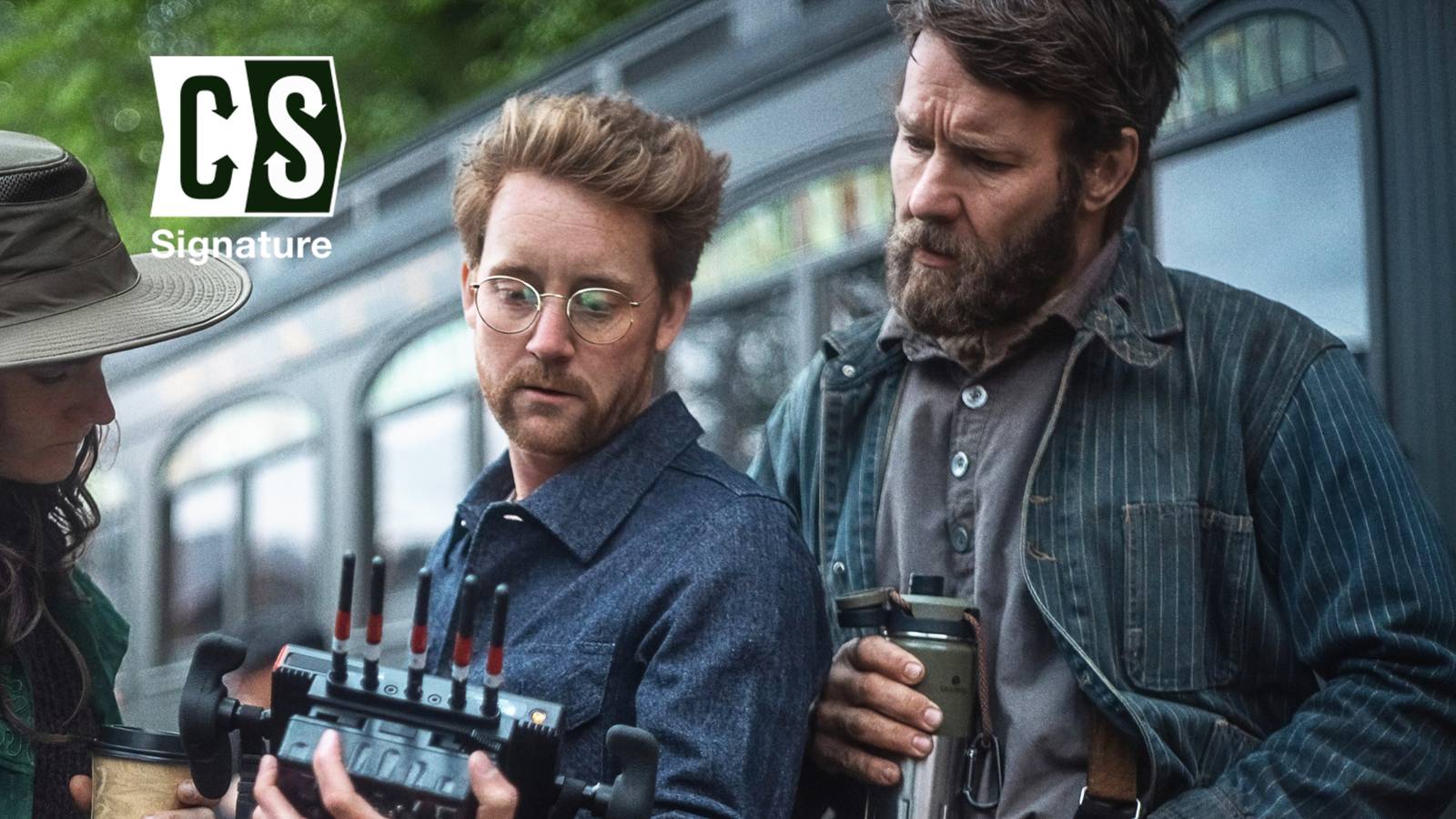
"Train Dreams," an acclaimed period drama, has garnered significant attention, including multiple Oscar nominations for Best Picture and Adapted Screenplay. Based on Denis Johnson's 2011 novella of the same name, the film offers a deceptively straightforward yet profoundly moving premise about Robert Grainier, a laborer navigating the forests of Idaho and the American West at the turn of the 20th century. Beautifully portrayed by Joel Edgerton in an understated yet nuanced performance, Grainier grapples with the uncertain impact of burgeoning technology, such as the railroad, on his life and the family he strives to protect.
The film was masterfully brought to the screen by director Clint Bentley, who co-wrote the adapted screenplay with his frequent collaborator Greg Kwedar. This marks Bentley's second Oscar nomination, a testament to his consistent artistic vision and fruitful partnerships, which also include a shared nomination for 2023's "Sing Sing." "Train Dreams" is lauded for its remarkable ability to be both incredibly subtle and endlessly ambitious, spanning approximately 80 years of a logger's life. It serves as an intimate, trance-inducing cinematic meditation on life past and present, the unexpected strikes of tragedy, and the human tendency to cling to what provides safety amidst an ever-evolving world.
Bentley's commitment to his collaborators is evident, with editor Parker Laramie, cinematographer Adolpho Veloso, and composer Bryce Dessner contributing their immense talent and keen eyes and ears for detail. While a quiet story about a reserved logger, his wise wife Gladys (Felicity Jones), and their baby might seem less flashy than other Oscar contenders, the film's sincerity and wholeheartedness stand out.
In adapting Denis Johnson's beloved novella, Bentley focused on expanding characters without losing their core essence. Gladys, who has a limited presence in the book, was enriched by highlighting her "ancient wisdom," bringing her more fully to life as a human being. For Robert Grainier, Bentley incorporated a "boyishness" and sense of humor observed in Joel Edgerton, adding a dimension not explicitly detailed in the original text, demonstrating a collaborative evolution of the character.
A notable artistic decision was Bentley's embrace of a slow, deliberate pace, a choice he initially worried might not be slow enough. He discovered that sometimes shorter, more impactful cuts could make a scene feel longer and more deeply immersive to the audience. This was particularly true for the film's opening, which, after revision to a slower, quieter approach, was perceived as moving much better than its initially quicker, more frenetic version. The film's ending also evolved during the editing process; an early montage of Robert in a plane, initially a lead-up to a different finale matching the book's wolf boy performance, intuitively became the definitive end, recognizing where the narrative truly wanted to conclude.
The cinematography, overseen by Adolpho Veloso, is breathtaking, creating a sense of intimacy and warmth even in dimly lit cabin scenes. This was achieved through a conscious commitment to natural light sources—candles, lanterns, and campfires. While challenging, this approach yielded a special, authentic feeling, immersing both the actors and the audience more deeply into the period setting than artificial lighting could have. The film's 29-day shoot necessitated ingenuity, transforming limitations into creative opportunities. A prime example is the powerful shot of a tree falling, captured by bolting a camera to a real tree being cut down by a logging crew. This not only served as a powerful visual but also as a symbolic representation of nature's perspective and a critique of the logging industry.
Collaboration with composer Bryce Dessner, with whom Bentley also worked on "Jockey," was crucial to the film's emotional depth. Dessner, who read both the script and the book, crafted a score designed to hold paradoxes—being simultaneously intimate and grand. Composing early based on conversations, script, and dailies, Dessner developed key themes, including a recurring motif for Robert Grainier, which seamlessly enhanced the narrative's emotional landscape. Directing Joel Edgerton in largely silent scenes proved a different, though not more difficult, challenge, thanks to Edgerton's intuitive and technically skilled acting, allowing for profound communication through subtle micro-adjustments.
Nature itself emerges as a significant character, its inherent unpredictability embraced by the filmmakers. Instead of fighting it, Bentley and Veloso responded to changing weather conditions, allowing them to organically influence the scenes. This adaptive approach underscored the film's deeper themes, portraying a time when human lives were more directly intertwined with and influenced by natural rhythms.
Bentley's approach to the turn-of-the-century setting aimed for accessibility rather than distance. He sought to highlight universal human experiences that transcend time, drawing parallels between Robert Grainier's struggles to make a living and balance work and family with those faced by people today. The film suggests that fundamental human concerns, including societal treatment of marginalized populations, have remained remarkably consistent through history, making "Train Dreams" a timeless and relevant contemplation on the human condition.
"Train Dreams" is currently available for streaming on Netflix.