Dika Ofoma Challenges Victim Narrative in Candid 'A Happy Ending' Discussion
Dika Ofoma's short film 'A Happy Ending,' featured in Zikoko’s Life 2 series, delves into the story of Tatiana, a masseuse who chooses sex work. The film challenges societal expectations by portraying Tatiana with agency rather than as a victim, reflecting Ofoma's commitment to nuanced character development and complex human realities.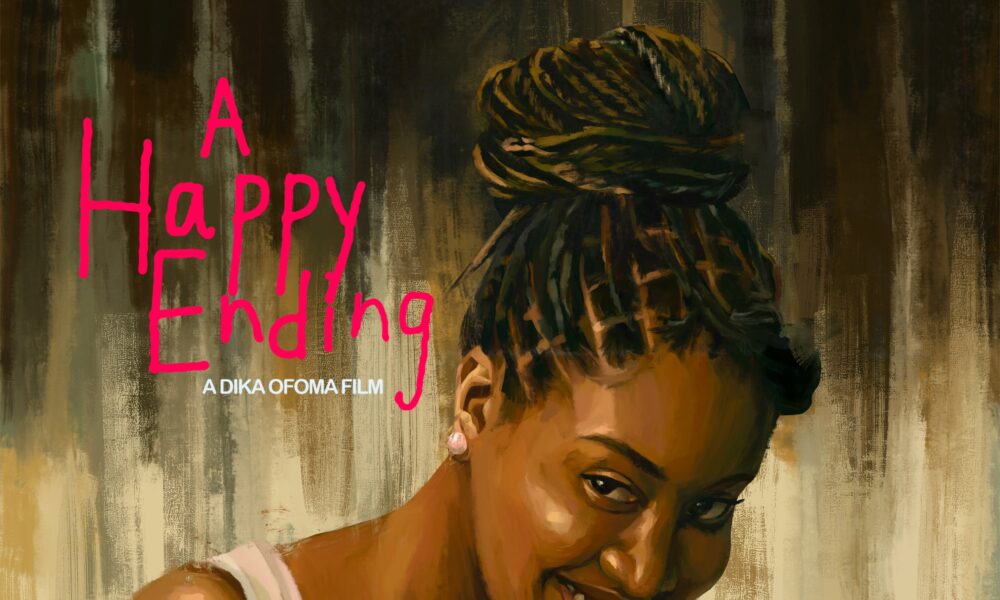
Filmmaker Dika Ofoma's short film "A Happy Ending," a prominent feature in Zikoko’s Life 2 series, explores complex human realities through its lead character, Tatiana. Initially labeled a "festival filmmaker" for uploading his early works to YouTube with no broader plans, Ofoma transitioned to the festival circuit after encouragement from fellow filmmakers like C. J. Obasi. He has since embraced this path, asserting that his primary goal is to tell stories and connect with audiences, whether through streaming platforms, festivals, or the box office.
"A Happy Ending" centers on Tatiana, a young woman who relocates to Lagos and becomes a masseuse. Her profession leads her into a relationship with a wealthy politician who expects "happy endings" from his massages, a professional engagement that evolves beyond Tatiana’s initial intentions. When casting the lead role, Ofoma encountered an unexpected challenge: several actresses declined the part because Tatiana was not written as a conventional victim. They expected a narrative where she had a sick mother, pressing financial woes, or was under duress. However, Ofoma deliberately portrayed Tatiana as a young woman who thoughtfully weighed her limited options and chose a path that she believed would keep her dreams alive.
This casting experience revealed to Ofoma the deeply conservative nature of society, where empathy for individuals in sex work often requires a "miserable story." He stressed that his refusal to depict Tatiana as a broken woman stemmed directly from the real-life individual who inspired the story, a woman who did not perceive herself as a victim despite her economic disadvantages. For Ofoma, it was crucial to capture this agency and resolve in the script, emphasizing the importance of allowing characters to make their own decisions, even under pressure, acknowledging them as human adults with choices.
Ultimately, Dika found his Tatiana in Ifeoma Obinwa, whose authentic Igbo accent and compelling audition instantly convinced him of her suitability for the role. Furthermore, Ofoma meticulously crafted the character of Madam Ngozi, the individual who facilitates Tatiana's entry into sex work, refusing to cast her as a simple villain. He believes that great stories arise from nuanced portrayals rather than clear-cut good versus evil. Instead, Madam Ngozi is given a backstory that parallels Tatiana's, suggesting she views Tatiana as a younger version of herself, having likely faced even harsher circumstances in her past.
A particularly poignant scene for Ofoma is when Madam Ngozi provides Tatiana with a contraceptive, an act he describes as revealing her humanity beyond her role as a "madam." He noted Madam Ngozi's lack of self-awareness regarding her role in Tatiana's situation, gently suggesting that she might even perceive her actions as a form of kindness. Beyond these complex individual portrayals, the film also highlights the strong bond between Tatiana and her best friend, Ginika, which provides much of the film's emotional warmth. While Ofoma states he didn't intend to make a grand statement about female friendships, observing the natural chemistry between the lead actresses made the connection read like a deep sisterhood.
Dika Ofoma's overarching creative philosophy for "A Happy Ending" was to craft characters that mirror real people – messy, driven by complex motives, and leaving the audience to draw their own conclusions. The film stands as a testament to his dedication to authentic storytelling and exploring the nuanced realities of human choice and resilience.