Digital Nomads in Africa: The Rise of Remote Workers Moving In, Not Out
Across Africa, foreign remote workers are trading in Europe’s cities and Asia’s beaches for new creative hubs in Kigali, Accra, and Zanzibar. Governments are responding with nomad visas and modern coworking spaces — but the shift also raises questions about culture, inclusion, and who truly benefits from this new digital migration.

The Return of the Digital Nomad
For years, Africa's migration story was monochromatic. People filled up and left, seeking green pastures and better wages elsewhere. But times are changing. Finally, you see a new crowd — digital nomads, freelancers, creatives — coming into Africa instead of leaving. Walk through Cape Town's windy shared offices, Kigali's high-tech innovation centers, or Accra's busy tech ghettos, and you can feel it. The continent as a refuge for people looking for something new: connection, adventure, maybe a fresh start.
This did not happen overnight. The pandemic sped up the whole remote work revolution. Suddenly, lots of folks realized they didn’t have to stay put to do their jobs. They started looking for places that offered more — lower costs, good weather, real cultureAfrican cities, once barely on anyone's radar, started showing up on digital nomad bucket lists.
Governments noticed and profited. Now, places like Cape Verde, Mauritius, and Namibia offer digital nomad visas — you can live and work there for a year, hassle-free. Rwanda, always known for its order and efficiency, has embraced the “smart nation” label and invites freelancers from all over to try Kigali for a while. Even Zanzibar, famous for its beaches, is calling itself “Silicon Island,”where techies code steps from the ocean.
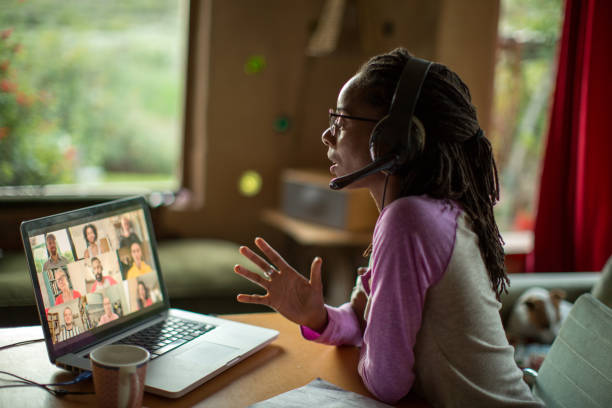
This shift means more than just a few new faces in coffee shops. Africa’s shaking off its old label as just a “resource supplier.” Now, it’s hosting innovation. Instead of losing talent, countries across the continent are drawing in new skills, fresh energy, and plenty of investment. Local businesses and creatives get a boost, too — more ideas, more partnerships, more opportunities.
And honestly, the change runs deeper than economics. There is a new sort of cultural mixing taking place. Coffee shops that previously had locals to spare now buzz with the chime of conversation in all tongues — French, English, Swahili, name it. A Nairobi designer might be brainstorming with a Berlin programmer or a São Paulo author. This isn’t just tourism. It’s a quiet, steady globalization of Africa’s work scene, and it’s only getting started.
Balancing Promise and Pressure
The surge of global talent brings a shot of optimism, but it’s not all smooth sailing. Digital nomads, for all the excitement they bring, come with some real contradictions. Sure, they pump money into local economies. But sometimes, they drive up prices too. Locations like Cape Town, Accra, and Nairobi have experienced rents going up as well-paid foreigners move in and locals suddenly can no longer afford to keep pace. The coffee shops and co-working spaces are filled, business is thriving, but the impact ripples outwards—housing becomes more expensive, day-to-day life too. People start asking: who's actually benefiting here?
Even so, the push and pull has sparked some creative thinking on the ground. Instead of merely competing, locals and nomads in some places are teaming up. In Nairobi and Lagos, there are digital collectives and meetups—coding workshops, photography classes, remote work seminars—where foreigners and locals intermingle. Skills are traded, ideas are exchanged, and suddenly, collaborations form that probably wouldn't have otherwise. African freelancers have found their own lane too. Lots of them now work remotely for companies in Europe or North America while living in cities across the continent. That means they earn stronger currencies but spend and invest at home. It’s quietly fueling a growing urban middle class.
Governments are catching on. They’re starting to see digital mobility as a real part of their development plans. Ghana's Year of Return, for example, was as much about culture as it was about inviting professionals in the diaspora to bring their skills back home. Rwanda's open policies towards technology have turned it into a hub for global conferences and startups.
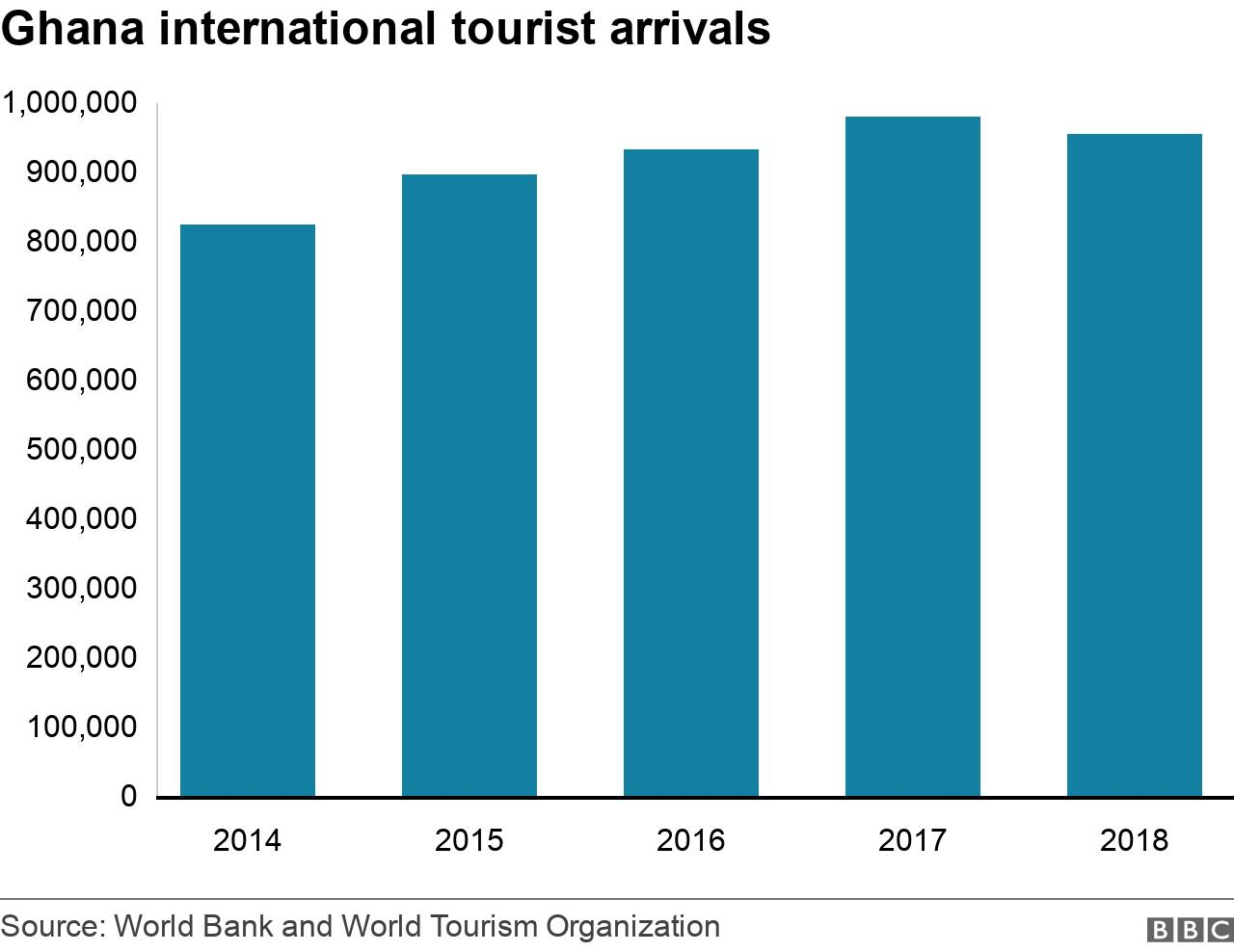
But there are still big questions. Will this digital nomad economy really include everyone, or does it just repeat old patterns of inequality? Can leaders figure out how to welcome foreign talent without pushing out locals? The way they answer these questions will shape Africa’s digital future—no doubt about it.
A New Geography of Work
Digital nomads aren't passing through Africa anymore — they're reshaping the continent's position in global affairs. Africa is no longer a place that sends its people elsewhere; it's now a place to depart from. What was once seen as the edge of what's possible is now the hub of global imagination.
Think of Kigali, Lagos, Nairobi. These cities aren’t on the margins now. They’re right in the mix with places like Berlin and San Francisco, talking about big ideas — innovation, sustainability, the whole thing. Governments that move fast — better internet, easier visas, real support for startups and creators — get the biggest payoffs.

But is the question whether these nomads are just passing through, or whether they're plugging in for real? Are they actually becoming part of the community, contributing what they can, shopping in town? Or are they just hanging out in their own bubbles? In some areas, you do see progress. Tech collectives in Accra pull everyone together for hackathons. On the other side in Zanzibar, sustainability workshops are conducted by digital nomads among local artisans. These are not big, flashy gestures, but they matter. This kind of genuine relationship makes clear whether the whole affair is extractive or truly collaborative.
There’s a cultural shift happening, too. Young Africans — always online, always hustling — are watching these newcomers, not just with curiosity, but with ambition. For them, working from anywhere isn’t some imported fantasy. It’s something they can actually do, right now. Some have already started calling themselves “local nomads” — working remotely and traveling their own countries, grabbing some of the same freedom that brought outsiders here.
But let’s be real: digital nomadism isn’t a magic fix. It’s not going to erase unemployment or inequality overnight. What it does do, though, is flip the script. Africa isn’t just a backdrop for other people’s innovation anymore. It’s front and center.
A South African coworking founder said it best: “People used to come here to volunteer or take pictures. Now they come to build businesses.” That one change says a lot.
If Africa can get this moment right, it's not just a trend. It's the start of something bigger — a new story about global talent, local innovation, and what it actually means to belong and build something in the 21st century.
