Dangote Is Building Another 700,000-Barrel Refinery in Kenya. Is This the Start of His African Refinery Empire?
Dangote is building a $16 billion, 700,000-barrel-per-day refinery in Kenya. Here is what Lamu means for fuel supply, trade and his African expansion.
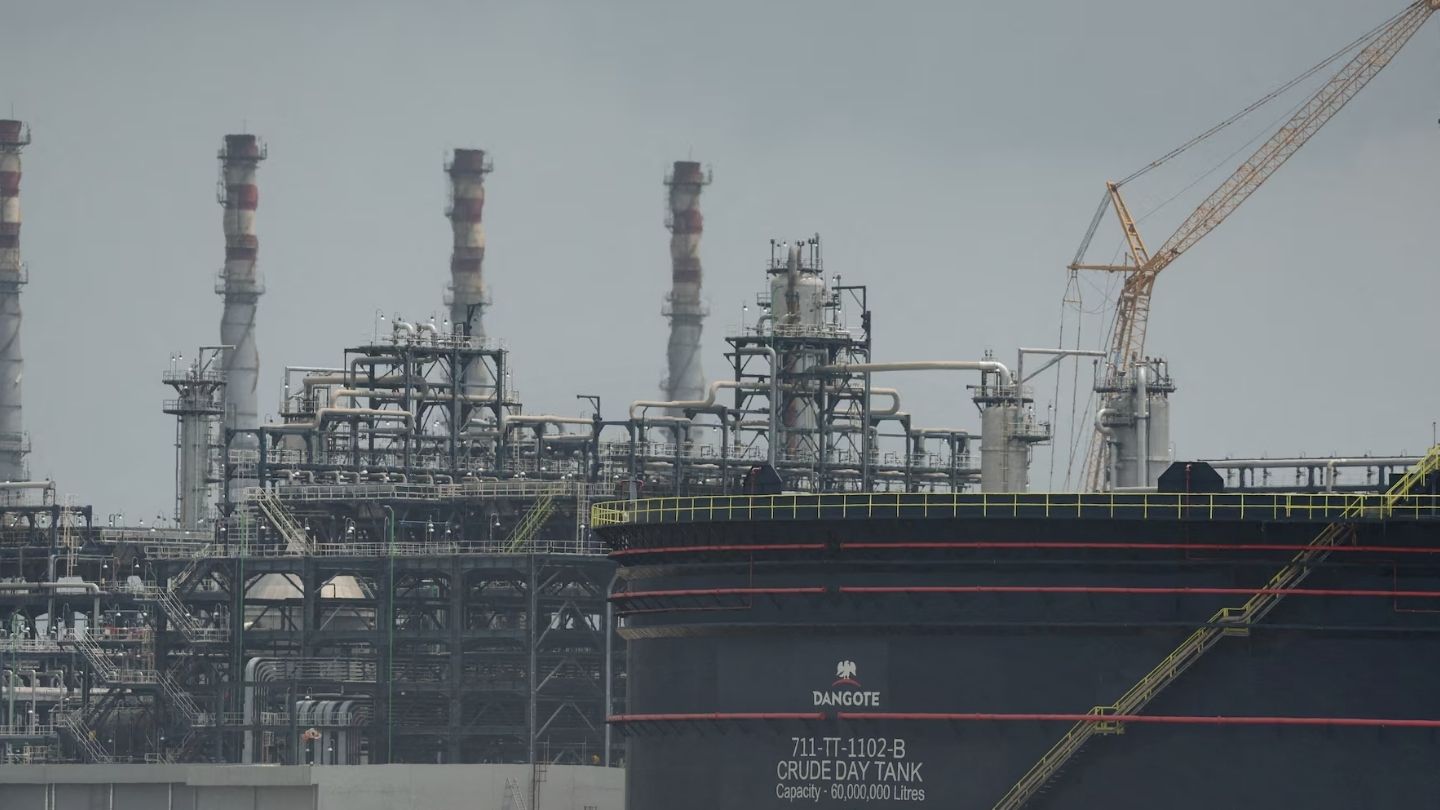
Aliko Dangote has chosen Lamu, on Kenya's northeastern coast, for a $16 billion refinery that would process 700,000 barrels of crude a day. It is his first refinery outside Nigeria, and it enters the conversation while the Lagos plant is still scaling up.
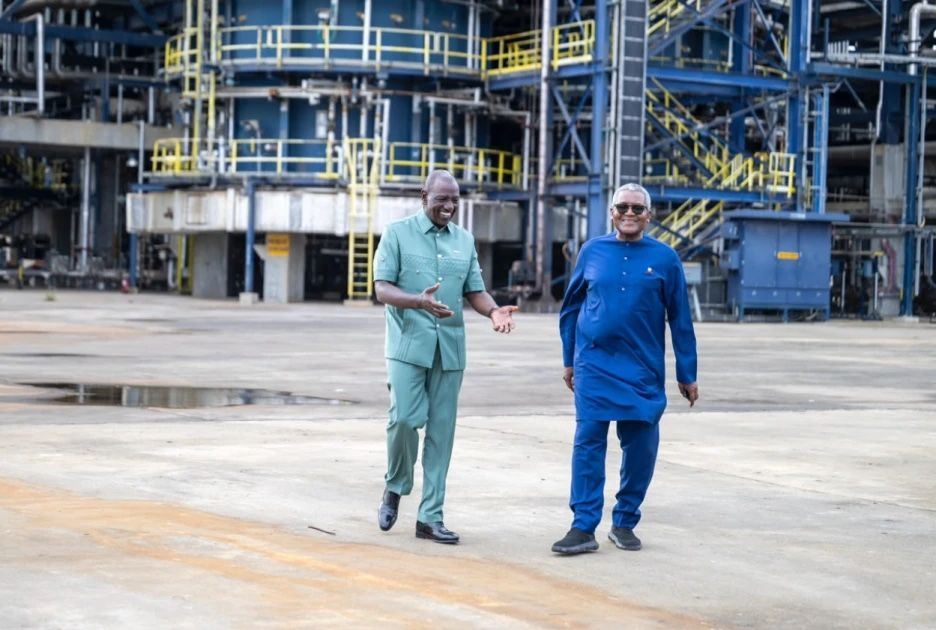
What the Dangote Lamu Refinery Project Involves
The Lamu refinery is planned as a refinery and petrochemical complex. Engineers India, the firm behind the Lagos plant, have been hired on a contract of more than $450 million to manage engineering and construction.
It will come with a 1,000-megawatt power plant fuelled by petroleum coke, about half of which Dangote says could be sold to the Kenyan government.
The plant is meant to supply Kenya and neighbours including Uganda, Tanzania, Rwanda and Ethiopia, and officials project up to 60,000 jobs.
Dangote has offered East African governments a combined 30% stake, with Kenya reportedly weighing 10%.
Is This the Start of a Dangote African Refinery Empire?
It is possible as this pattern is familiar. Dangote built his fortune on cement by putting plants where imports were expensive and local supply was thin.
Lamu applies the same logic: build the refinery where the pump price depends on foreign cargoes.
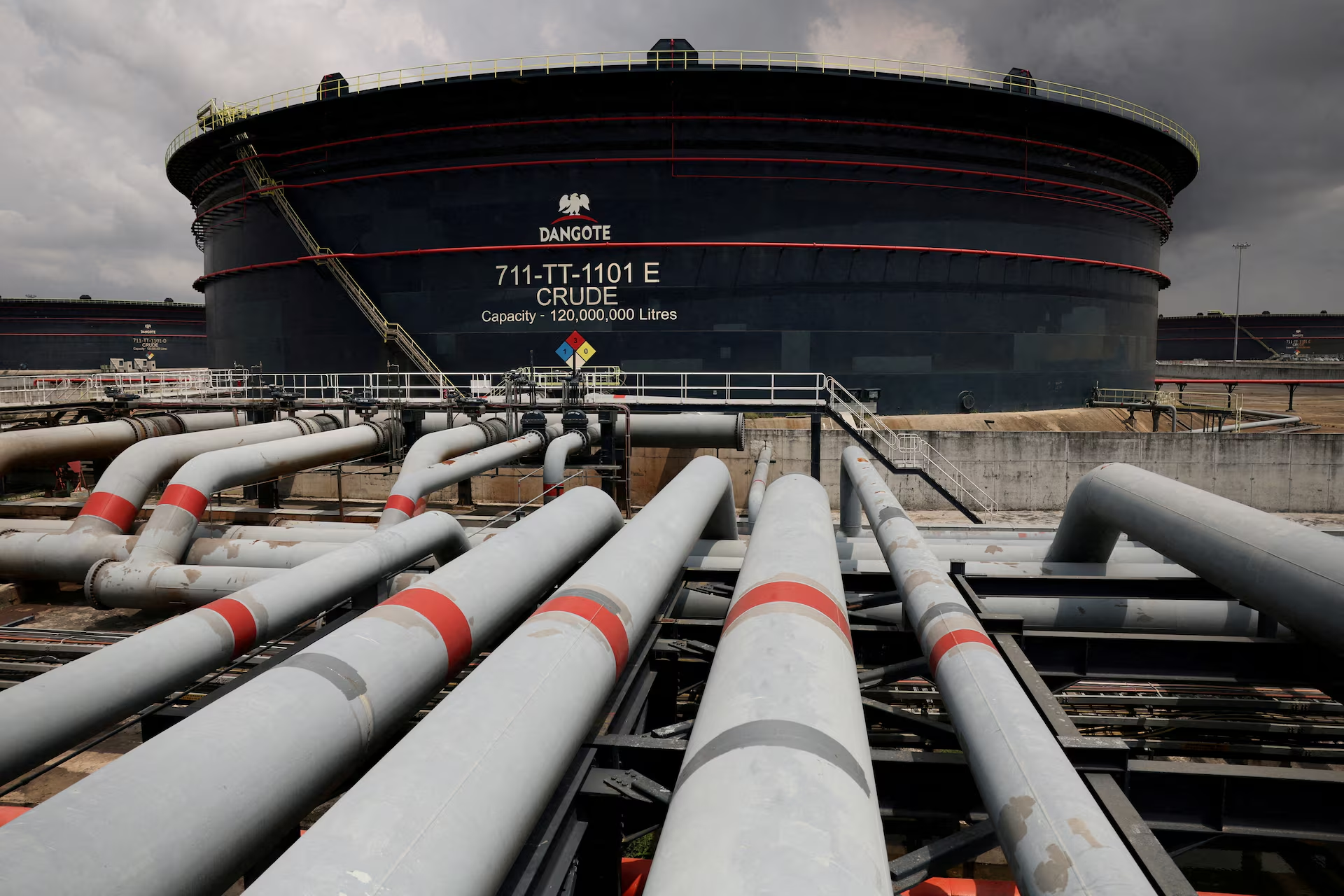
With Lagos expanding toward 1.4 million barrels a day by 2029, Dangote would hold refining capacity on the Atlantic and the Indian Ocean.
Still, one project is not an empire. Lamu has to be financed, built and run profitably before a third country becomes a serious conversation.
What it does show is that Dangote sees refining as a business that can be exported across Africa and not remain a Nigerian success story.
Will the Kenya Refinery Do a Better Job Than Dangote Refinery in Lagos?
On capacity, Lamu will not match Lagos for long. Once the Lagos expansion lands, Kenya's 700,000 barrels a day would be half of what Dangote runs at home.
Bigger is not the same as better, though, and Lamu has real advantages. As a greenfield build, it can absorb lessons from Lagos, which was announced in 2013 with a 2016 start and was only inaugurated in 2023.
It has the same engineers and a captive power plant roughly twice the size of Lagos's.
The only weakness here is crude. Nigeria produces oil, but Kenya has no meaningful commercial output, so Lamu will depend entirely on imported raw material.

Lagos has had raw material questions of its own with Nigerian crude next door, and Lamu would carry higher shipping and price risk. It could turn out the better-run project, but not the better-supplied one.
Can the Dangote Refinery Solve Kenya's Fuel Scarcity?
Kenya imported 5.5 million tons of petroleum products in 2025, at a bill of about $4.1 billion, while its domestic demand stood at 5.7 million tons.
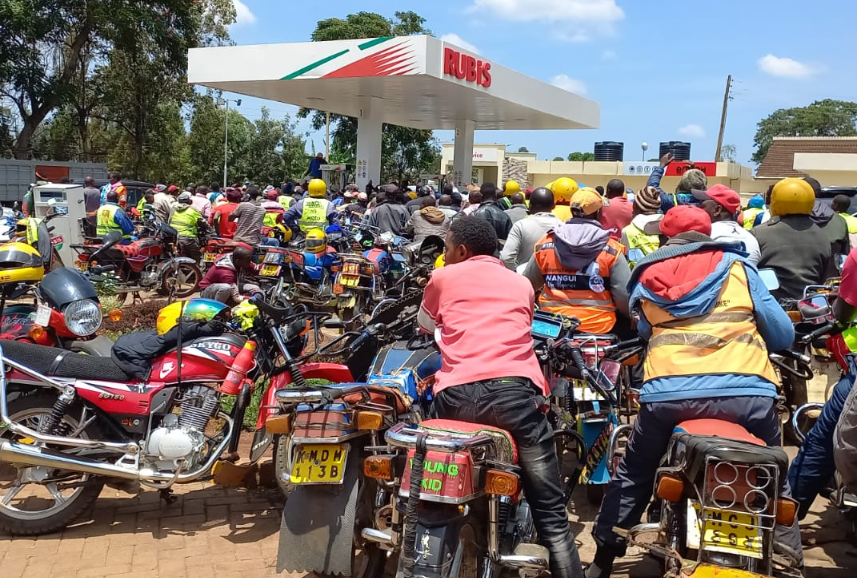
Fuel shortages in Kenya are largely a result of import dependence. A local refinery solves that problem directly.
But there is the conversation of scale here. At 700,000 barrels a day, Lamu would process roughly 35 million tons of crude a year, about six times Kenya's annual demand.
It is built for the region and for export, not just for Nairobi. That is good for supply security and for East African fuel trade, but it means Kenya's scarcity is solved only if the refinery sells to Kenya first, at prices that beat imports.
There is also the crude problem again. A refinery that buys all its crude abroad still runs on foreign currency, so the dollar risk does not leave. Pipelines, storage and distribution from Lamu to inland Kenya will matter as much as the refinery itself.
Court Case and Financing Risks for the Lamu Refinery
The project has already attracted legal scrutiny. A Kenyan court ordered the status quo maintained in the Lamu area on September 25, after petitioners argued the project involves forced evictions with no resettlement plan and skipped public participation required by the constitution.
The next hearing is set for October 14. Dangote's company says no activity will take place on site until then, though it still plans a groundbreaking ceremony.
There is also the issue of money. Dangote is funding Lamu while pushing Lagos to 1.4 million barrels a day and running a N2.15 trillion refinery IPO.
The timelines are also unclear. The construction is said to take roughly three years by Dangote, against five years in the group's own July estimate. Given how long Lagos took, investors and Kenyans have reason to be careful with those dates.
Fuel Prices, Monopoly Fears and Regional Trade
Nigeria offers a preview of the debates Kenya may face. Lagos has faced accusations of market dominance, and Dangote once offered to sell the plant to the state oil company after they surfaced.
A Lamu plant supplying most of East Africa could raise the same questions about pricing power, especially if governments take only minority stakes.
The advantage is regional trade. Uganda, Rwanda, Ethiopia and South Sudan are landlocked and pay heavily to move imported fuel.
A refinery on the Indian Ocean coast could cut those costs if roads, pipelines and border rules cooperate. That is a big if, and it depends far more on governments than on Dangote.
The Verdict on the Dangote Kenya Refinery
It does set the pace for a Dangote refinery footprint beyond Nigeria. It is unlikely to beat Lagos on size, and its crude dependence makes the economics harder.
It can ease Kenya's fuel scarcity, but only if it is built on time, sells to the local market first, and gets its supply chain right.
Dangote has shown intent. The October 14 court hearing and the financing will say far more than the announcement.
If Lamu works, expect other African countries that import all their fuel to start knocking. If it stalls, it will be a reminder that building refineries where none exist is far harder than it sounds.