Dada Children: The Sacred Tradition of Natural Dreadlocks in Yoruba Culture
An exploration of Dada children in Yoruba culture—why their natural dreadlocks are sacred, the strict rules surrounding them, their spiritual origins, and how the tradition is adapting in modern Nigeria.
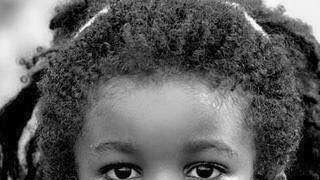
If you live in Western Africa, there are very high chances you have come across people who have locs. Not those who go to a salon and get their locs done — I am talking at the people who have had locs since they were a baby. In the Yoruba tradition, these people hold a special place in the society and they are called dada.
What Actually Makes a Dada Child?
Dada children are not born with fully formed dreadlocks. Instead, they are born with naturally knotted, curly hair that resists combing and tangles into lock-like formations as it grows. Think of it as hair with a mind of its own, refusing to be tamed.
The Igbo call these children "Ezenwa" (meaning "Child King"), and across Nigerian cultures, the phenomenon carries deep spiritual significance. This is a pan-Nigerian tradition with variations across ethnic groups.
The Spiritual Backstory
In Yoruba cosmology, dada children are believed to be gifts from Dada, a deity associated with children born with natural locks and son of Yemoja, goddess of the sea and wealth. There is even a belief that their hair was braided in heaven before birth.
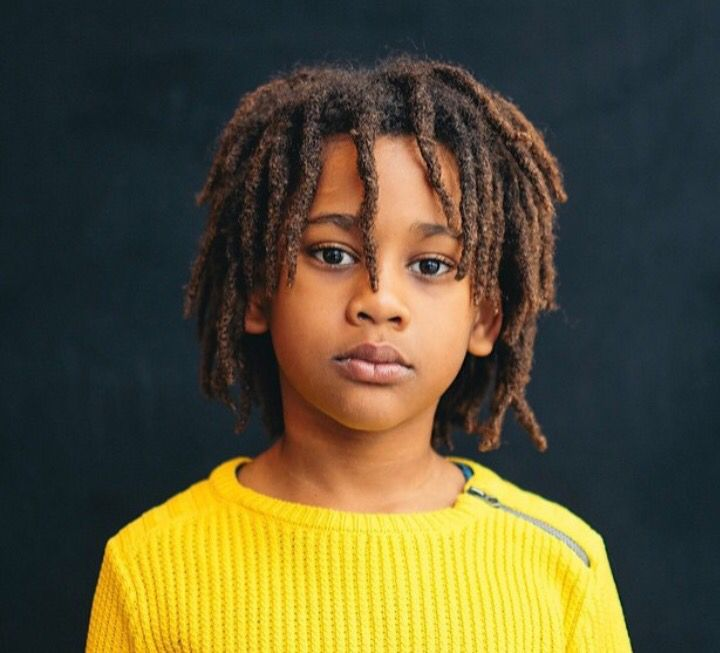
The knotted hair resembles cowrie shells, the traditional West African currency. Because of this, dada children are thought to attract wealth to their parents. There is a saying that a dada never goes broke.
But the beliefs go deeper: these children possess heightened intelligence, physical strength like biblical Samson, healing gifts, and prophetic visions. Some adults who grew up as dada children report seeing visions before danger strikes.
The Rules Are Strict
Traditional rules surrounding dada children are taken very seriously. Some of them include:
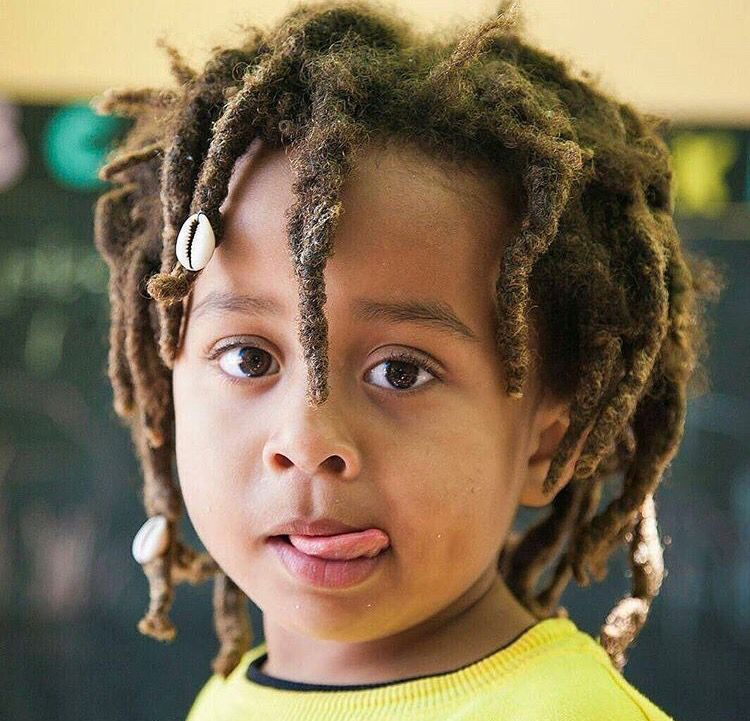
1. Only Mom Can Touch: No one else can touch the hair. If someone accidentally touches it, they must immediately give the child money or tie a cowry shell to the locks to prevent illness.
2. No Combing Allowed: The hair can be washed but never combed. Grooming a dada child's hair is believed to cause serious illness or death.
3. The Haircut Ceremony: When cutting the hair (usually ages 3-7), traditionally a chief priest performs a special ritual. The ceremony happens at a river, where cut hair is collected in a pot with herbs and river water and kept as medicine. Without this ritual, the child is believed to die within three days or act weird all their life. That is how seriously this is taken.
When Christianity Entered the Picture
As Christianity spread across Nigeria, families faced a dilemma. The traditional rituals involved orisha worship and chief priests which are practices many Christian denominations rejected.
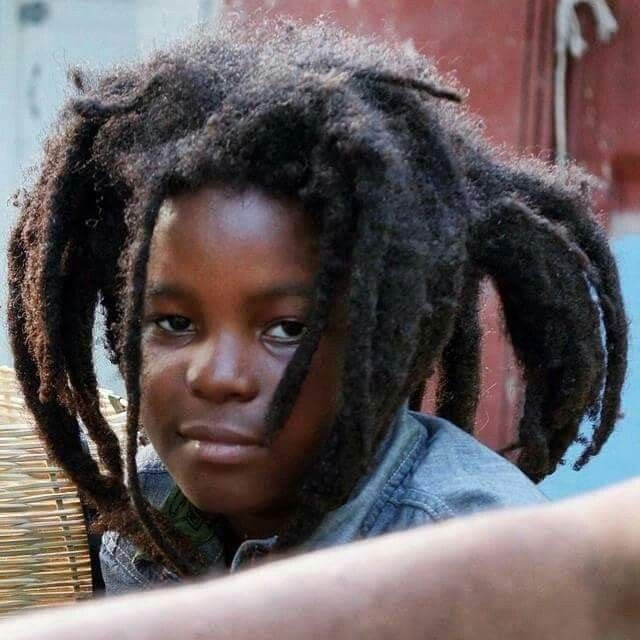
The solution was adaptation. Most parents now meet Catholic priests or pastors instead. The ceremony still happens with celebration and feast, but Christian clergy pray for the child's protection before cutting the hair.
One account describes parents consulting their young dada son before his haircut. They asked permission and what he wanted for the ceremony. He requested musicians play during the haircut, showing the child's agency remains central even in modern adaptations.
The Double Standard
Culture
Read Between the Lines of African Society
Your Gateway to Africa's Untold Cultural Narratives.
While dada children are celebrated, adults with dreadlocks in Nigeria often face discrimination. Adults with locs are viewed as dangerous or possessed.
The logic is that dada children are sacred until their hair is properly cut, then they are expected to wear "tamed" hair conforming to norms. Adults still wearing dreadlocks are seen as refusing integration or being possessed.
Musicians and athletes get a pass because locs are part of their brand. But for regular folks, it can be genuinely dangerous.
Modern Evolution
In 2026, the tradition is evolving. Some families maintain traditional practices, others Christianize the rituals, and some stopped observing ceremonies altogether, treating the hair as genetic variation.
Parents are also intentionally locking children's hair, making it harder to distinguish natural-born dada from chosen style. Meanwhile, what was stigmatized as "dada" became popularized through Rastafarian culture, then reimported to Nigeria as trendy "dreadlocks."

The dada story reveals how traditions adapt when religions change. The same hairstyle can be sacred on a child and stigmatized on an adult, showing how arbitrary appearance judgments can be.
Young Nigerians navigate between preserving traditions and embracing modernity. Some keep ceremonies, some Christianize them, some abandon them. There is no single "right" answer.
Whether you believe in the spiritual significance or see it as cultural practice, dada children tell us something important about identity and heritage. Families still having these conversations in 2026 shows traditions are living things existing in the choices families make and meanings they preserve.
In an increasingly homogenized world, traditions like the dada ceremony remind us there are practices connecting people to ancestors, beliefs that can't be fully explained by science or dismissed by modernity.
Whether the hair was truly braided in heaven or it is a unique genetic expression, the reverence shown to these children is worth preserving.
Next time you see someone with locs, remember, there might be a whole cosmology behind that hairstyle. Hair has always been more than just hair, and dada children prove it.