Crypto Crash: Bitcoin Plummets $10K, Wipes Out January Gains
Bitcoin tumbles $10,000, erasing all January gains amid global risk aversion, margin liquidations, and technical sell-offs, highlighting crypto's growing correlation with traditional markets.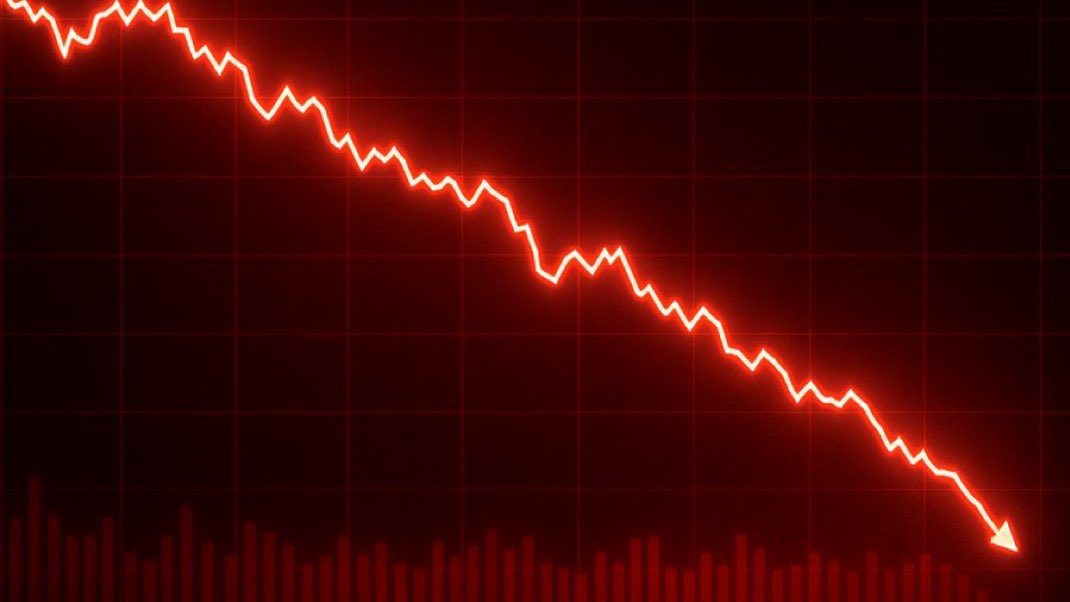
Bitcoin recently suffered a sharp and unsettling drop, falling to around $87,790 on Tuesday, erasing all its gains for January. The move was mirrored in the Crypto Fear and Greed Index, which fell to 24 by Wednesday, signaling “extreme fear” across the market. From its 2026 high near $98,000, Bitcoin lost roughly 10% in under 48 hours, triggering over $1.8 billion in liquidations and dragging the total crypto market capitalization down by an estimated $225 billion.
Several macroeconomic factors contributed to the decline. Global risk aversion spiked following fresh U.S. tariff threats, as investors weighed concerns over inflation, slowing growth, and geopolitical tensions. A sell-off in Japanese government bonds further pressured global markets, highlighting Bitcoin's increasing sensitivity to broader financial conditions.
The internal dynamics of crypto trading amplified the crash. High leverage in derivatives markets caused margin calls and automatic selling, accelerating the downward spiral. Technical signals also reinforced fear: Bitcoin breached its 50-day exponential moving average, a level that had previously supported the January rally, signaling a potential shift in trend and discouraging buyers.
Retail traders, particularly those positioned for continued upside, were forced to reduce exposure, draining liquidity and heightening volatility. Institutional players are now closely monitoring ETF flows, futures open interest, and funding rates to gauge whether confidence stabilizes.
Looking forward, the outlook remains finely balanced. If macro pressures ease and bond markets calm, Bitcoin could consolidate, allowing sentiment and liquidity to recover. Conversely, persistent geopolitical and financial stress could prolong weakness, with altcoins likely bearing the brunt due to thinner liquidity.
A key takeaway from this episode is that Bitcoin is increasingly integrated into global financial markets, trading not in isolation but in correlation with equities, bonds, and currencies. As this integration deepens, Bitcoin’s volatility will increasingly reflect global economic forces rather than standalone crypto sentiment.